
Weapons, Machete, Delivery Service: How the Police Stopped a Dealer Group in Mallorca
After months of investigations, the National Police arrested four suspects in Palma and Alcúdia. Telecoca networks, firearms and a machete were discovered. A reality check: what's missing in the public debate and what needs to change?
Weapons, Machete, Delivery Service: How the Police Stopped a Dealer Group in Mallorca
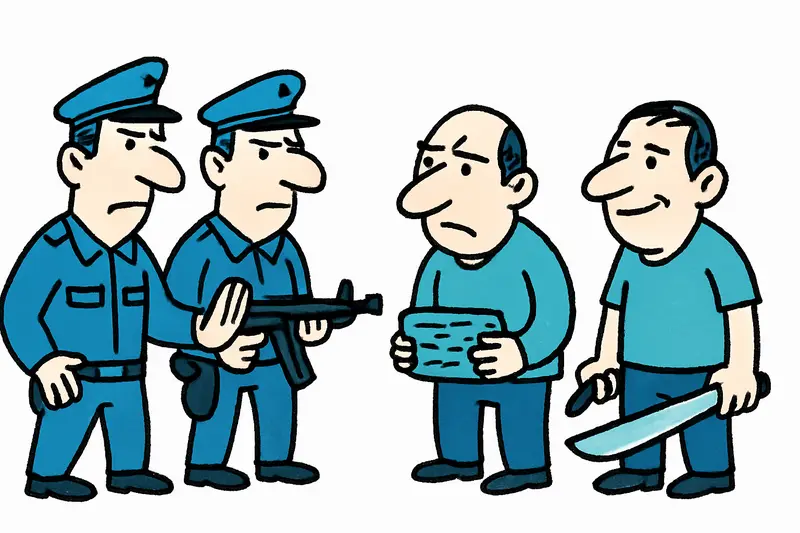
In the early evening hours, when the last cafés on Passeig Mallorca are putting away their chairs and conversations from side streets drift over from neighbours, the police moved in: simultaneous searches in Palma and Alcúdia, four arrests – three women and one man. The National Police speak of a group that allegedly delivered drugs via so‑called "telecoca", and of seized firearms, silencers, ammunition and a large machete. This is the sober tally of an operation following more than ten months of work by the UDYCO, echoing concerns raised in Drugs, Millions and Suspected Abuse of Office: What the Major Operation in Mallorca Reveals.
Central question
How threatening is this model of drug distribution to our neighbourhoods, and why are such structures repeatedly able to hide until the police strike?
Critical analysis
The facts are clear: investigators found several pistols, two silencers, 43 rounds of ammunition, cash, precision scales and a range of substances – from cocaine via ecstasy/MDMA to ketamine, marijuana and hashish. Conspicuous is the combination of armament and a delivery service that allows consumers to be supplied directly without fixed selling points. This mobility makes the work for investigators time‑consuming; surveillance, undercover operations and decoding meeting patterns eat up time and personnel. Attempts to attack officers also show how dangerous the constellation can be – a moment when routine turns into risk.
What's missing in the public discourse
There is a lot of talk about raids and seized material, but hardly about the causes: housing shortages, a lack of training and leisure opportunities in disadvantaged neighbourhoods, and a lack of prospects for young people. Equally rare is the question of where the weapons come from and how they cross borders. The debate remains too focused on isolated scenes instead of naming the supply chains, social drivers and the role of digital communication, as discussed in New Raid in Mallorca: More Arrests — But Are the Roots of the Problem Untouched?.
A typical everyday scene in Mallorca
Imagine the Carrer de Sant Miquel: market days, murmurs, scooters, a dog barking, fruit sellers calling out. Such places are also meeting points for very different people – from seniors with shopping bags to young people making calls in the shade of the facades. It is precisely there, between ordinary life and hidden deals, that interfaces arise which are difficult to monitor without stigmatizing the neighbourhood, as highlighted in Major raid in Palma and Son Banya: How extensive is the network behind the 17 arrests?.
Concrete solutions
1) Think prevention locally: more low‑threshold services in problematic districts – sports facilities, youth centres with career counselling, tutoring programmes. 2) Track the origin of weapons: expand cross‑border investigations and strengthen controls at transport hubs. 3) Digital evidence preservation: telephone‑based delivery structures require specialised IT investigators and legally backed surveillance tools. 4) Police‑social work cooperation: when arrests are made, support must be offered in parallel for potentially influenced young people to prevent relapses. 5) Promote anonymous tip lines: citizens must be able to report suspicions safely and easily without fear of retaliation.
Why this matters
When delivery services for drugs become established, they change the public space. The result is invisible networks that can escalate quickly because armed groups concentrate resources and power. This affects not only direct consumers but also triggers rivalries that undermine the sense of security in entire neighbourhoods.
Key conclusion
The arrests are a success for the investigative work. But charging four suspects and seizing weapons and drugs are not enough to solve the problem permanently. We need less flash and more long‑term illumination: genuine prevention, better tracking of weapons flows, and local politics that do not push young people to the margins. Otherwise the pattern will continue: the police dismantle one structure, and another grows back, a pattern seen in Major raid in Mallorca: Arrest of an alleged clan leader raises big questions.
Frequently asked questions
What is the weather usually like in Mallorca in early evening spring and autumn?
Is it safe to walk around Palma at night in Mallorca?
Can you swim in Mallorca in late season?
What should I pack for Mallorca if I am staying in Palma or Alcúdia?
What is Passeig Mallorca in Palma known for?
What is Alcúdia like compared with Palma in Mallorca?
How do police operations against drug networks work in Mallorca?
Why are drug delivery networks considered difficult to detect in Mallorca?
Similar News
More water than last year: Mallorca's reservoirs breathe easier
September rain refilled the Tramuntana's reserves: overall fill around 35 percent, Cúber at 40.42 percent, Gorg Blau at ...
Three Luxury Hotels in Banyalbufar: Lots of Money, Many Questions
A Danish investor plans three exclusive accommodations in Banyalbufar — including the historic Son Valentí. The announce...
2.1 tonnes of cocaine on sailing yacht off Spain's coast – a reality check for the coastguard
A 14-metre yacht was seized with 2.1 tonnes of cocaine. Who monitors the ports, how does the international hunt succeed ...

Heat Bonus in Mallorca: 100 Euros Extra for Outdoor Staff at MarSenses
MarSenses pays employees who worked outdoors in August an extra €100 as recognition. Lighter uniforms, reduced hours for...
Renovating in Mallorca: What You Really Can Do Without Neighbour Consent
Many think they can do whatever they want in their apartment. That's partly true — but only as long as structural elemen...
More to explore
Discover more interesting content

Can Cap de Bou

Townhouse Lleo 72
