
Palma at Two Prices: Why the Same Square Meter Can Suddenly Be Luxury
Portixol or La Vileta? In Palma a single street can mean a €300,000 difference. Our look goes deeper: what is driving the gap — and which steps could save the city before neighborhoods become museums for onlookers?
Palma: Two neighborhoods, the same square meter — and worlds apart
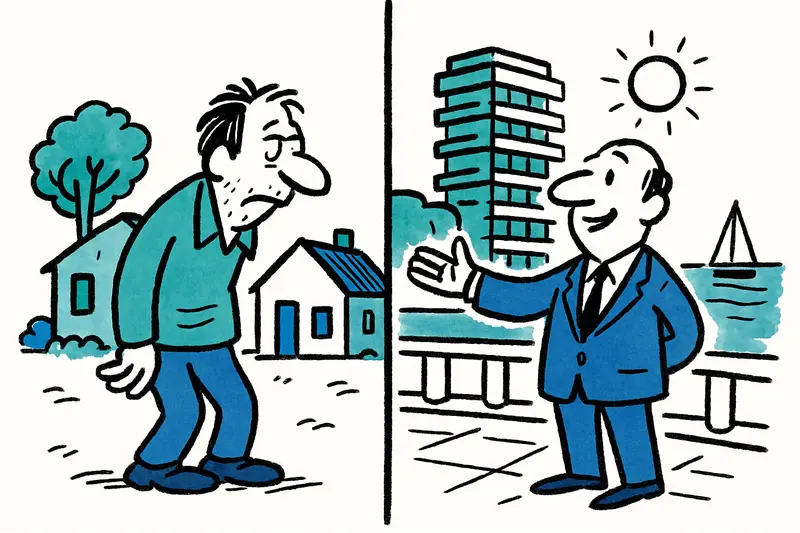
You walk the Portixol promenade in the morning: the sea sparkles, a fisherman casts his nets, the scent of salt and fuel mixes with espresso. A 90 m² apartment here — well located — costs according to the latest figures around €662,760. Two streets away, in La Vileta, the same size is available for about €376,110. The difference is not just a number; it echoes how Palma is growing and sorting itself today, as examined in Two Palmas in One City: How Money Divides Streets and Lives.
The central question
Why does a buyer pay almost twice as much for the same space in some neighborhoods — and what does that mean for the people who live here? This is not an academic debate: it is about schools, bus connections, the corner supermarket, the old local pubs — and whether locals can still remain in their neighborhoods.
Analysis: More than just a sea view
Of course the view wins. Portixol‑Molinar shows how strongly a prominent location pushes up the price per square meter: €7,364 is the average there. But price formation is a bundle of several ingredients; official figures such as those from Instituto Nacional de Estadística (INE) underline these disparities:
Micro-location: Promenade, the smell of boats and the sunrise sell well. A bright balcony on the bay is worth more than a quiet garden without a horizon.
Infrastructure: Proximity to schools, kindergartens and buses makes neighborhoods like La Vileta attractive for families — and explains the strong increase of almost 14.3 percent there; see Palma in Transition: Where Incomes Soar — and Who Still Owns the City.
Tourism pressure: Districts that are easily converted into holiday rentals see more purchases aimed at yield rather than community. Empty old apartments and short-term rentals reduce availability for long-term tenants.
Urban planning & supply: Density, parking, zoning plans and land categorization control where new construction and modernization happen — and for whom.
The quiet costs
What is often missing in statistics are the side costs of the price spiral: rising rents, displaced shops, changing school routes, altered daily rhythms. I often hear them at the Santa Catalina market or on the plaza: the sound of suitcases rolling more often, new names on doorbells that only promise holiday rents. A neighbor recently said dryly: "People used to know their neighbors, today the door costs more than life."
The microclimate also plays a role: more concrete in well-located neighborhoods, fewer green spaces — and therefore hotter summers. Parking pressure, delivery zones for holiday homes and noise peaks at weekends are everyday life for residents who haven't moved to the beachfront promenades; recent sharp price jumps elsewhere are documented in Price Shock in Palma's Old Town: Townhouse Doubles Price Within Months.
What is often overlooked
Public fees, municipal taxes on second homes, development costs and parking policies are invisible levers. Equally important are the roles of small shops: when the bakery moves away, the attractiveness for long-term residents decreases — and investors see only a vacant unit for short-term rental.
Concrete steps — not sugar coating, but tangible
The city needs more than appeals. Some ideas that could help:
1. Purpose binding and quotas: Require a share of social housing in new builds or major conversions. A simple rule: those who build must also create affordable housing.
2. Vacancy and second-home taxes: Higher rates for vacant or predominantly tourist-used apartments steer investor behavior — and fill municipal coffers.
3. Support for local infrastructure: Investing in schools, parks and shopping facilities in cheaper neighborhoods strengthens their attractiveness for families — and eases price pressure.
4. Community land trusts and cooperatives: Non-profit models that keep land available for residents in the long term are not rocket science, but practice in other cities.
5. Transparency for holiday rentals: Clear registration, limits in hotspots and sanctions against illegal offers reduce short-term profit-driven purchases.
Looking ahead
Palma does not just buy square meters. Those who live here pay for streets, sounds, morning light and the traces of old neighborhoods. Recognizing that is the first step. The second would be to set rules so the city remains beautiful not only for day-trippers but for the people who want to put down roots here.
Short conclusion: The price differences are a mirror. Those who take them seriously can act — with smart taxes, housing quotas and urban planning that keeps both the sea view and everyday life in mind.
Frequently asked questions
Why are apartment prices so different between Palma neighborhoods?
Is Portixol-Molinar one of the most expensive areas in Palma?
Why can La Vileta be cheaper than seafront areas in Palma?
How does holiday rental pressure affect housing in Palma?
What makes a Palma neighborhood more expensive besides sea views?
What should buyers consider when comparing Palma neighborhoods?
Can rising property prices change everyday life in Palma?
What policies could make housing more affordable in Palma?
Similar News

Why the Striped Breams in Cala Pí Should Be a Wake-up Call
Once again bathers in Cala Pí were surrounded while swimming by small, nippy fish — some wounds bled. Time for clear rul...

Daily from New York: How Palma's Air Traffic Is Growing — and What Must Change
United will increase the Newark–Palma service to daily flights in 2027 (Boeing, 231 seats). Strong tourist numbers clash...

When Love Ends in Shards: Destruction in Son Vida and the Questions That Remain
In Son Vida a relationship dispute escalated: a woman destroyed furniture in a luxury villa, later pressed a panic butto...
Who Bears the Burden? Mallorca Between Tenant Protection and Landlord Fears
Madrid's new housing decrees strengthen tenant rights — but on Mallorca concern is growing: will the law drive small lan...
On the Edge: What Mallorca's Airport Loses If a Major Low-Cost Carrier Falters
The company that operates numerous connections from Palma to France and domestically is negotiating with creditors to re...
More to explore
Discover more interesting content

Can Cap de Bou

Townhouse Lleo 72
