
Price Shock in Palma's Old Town: Townhouse Doubles Price Within Months
In central Palma the asking price for a historic townhouse rose within months from €9.2 million to €18.5 million. What does this price jump mean for neighbours, craftsmen and the cityscape?
Price shock in the heart of Palma: Doubling within a few months
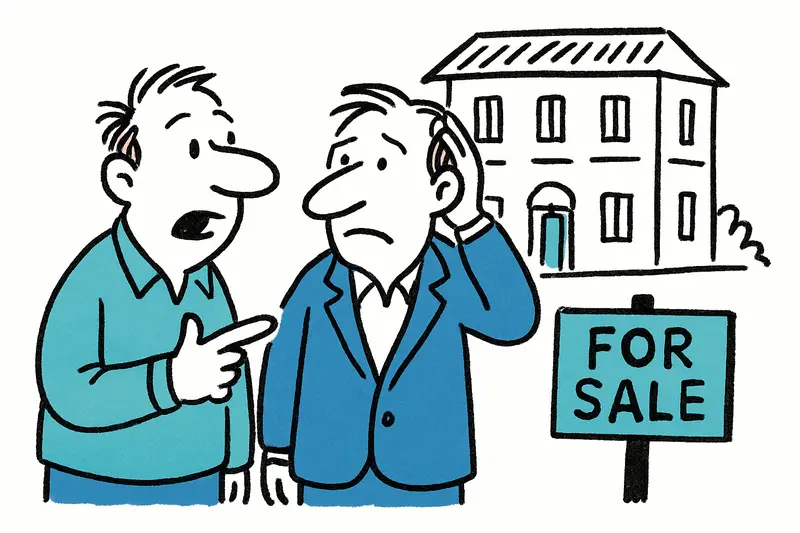
On a windy morning, the smell of freshly brewed espresso mixed with the sound of scooters and church bells, I heard in a small bakery near the Plaça Major someone say: 'That house there now costs €18.5 million.' A few steps further the listing was indeed on display — a lovingly renovated townhouse in a narrow side street, with a roof terrace, jacuzzi and heated pool. The relisting was covered in Palma: El precio de una casa en la ciudad se duplica en pocos meses — 18,5 millones de euros por una casa en el centro.
The central question
The guiding question is simple but uncomfortable: Should Palma's historic fabric become a commodity bought by a few, while the neighbourhood slowly dissolves? That the price rose from about €9.2 to €18.5 million does not answer that question. But it shows how quickly signals can be sent — and how little prepared the city seems to be.
What may be behind the price explosion
Several drivers can be identified in a brief analysis: first, the scarcity of truly historic, centrally located houses — they are simply rare and coveted. Second, the role of anchors: a high asking price sets expectations that other agents follow. Third, an investor is often behind the scenes who wants to flip quickly or to pad a portfolio for very wealthy buyers. Fourth, the phenomenon unfolds in a market where holiday rentals, second homes and foreign buyers have influenced prices for years. Analysis of rising incomes and ownership patterns appears in Palma in Transition: Where Incomes Soar — and Who Still Owns the City.
Less visible but relevant: who buys such houses? Cash buyers from abroad, companies registered elsewhere, trusts. Such transactions leave few traces in the daily lives of the people who buy their newspaper in the bakery in the morning and fill the street cafés in the evening.
The local consequences
The impact is tangible for local residents: small workshops and shops face rising commercial rents. Rental apartments in side streets reach new price levels; craftsmen who have worked here for generations can hardly find premises. The old town is slowly losing its diversity — instead of weaving workshops or basket-makers, showrooms and expensive holiday apartments are appearing. The loss of daily life is subtle: fewer children in the street, more vans with designer furniture. Recent reporting outlines Housing Price Shock in Mallorca: How Legal Large Rent Increases Threaten Tenants.
What is often overlooked
Two aspects are rarely discussed. First: the paradox of tax revenue. Luxury sales do bring high taxes in the short term, but they also raise the cost of living and can shrink businesses in the medium term — leading to lower everyday purchasing power. Second: cultural dilution. A façade may be preserved, but the interior is often refitted to international standards — displacing local craft knowledge.
Concrete opportunities and solutions
There is more than outrage. The city administration and citizens can act. Some concrete proposals:
Transparency: Reporting obligations for exclusive offers and documentation of ownership structures to clarify investor access.
Light regulatory measures: municipal pre-emption rights such as right of first refusal for particularly protected houses, short-term rental limits in sensitive neighbourhoods and targeted occupancy obligations that tax vacant luxury flats.
Support for the local economy: Rental subsidies or tax incentives for craft businesses, pop-up spaces for local shops and workshops, affordable studio rents for artisan makers.
Common-good models: community land trusts or cooperatives could secure parts of the old town for permanently affordable uses — instead of leaving everything to the free market.
Looking ahead
Whether the house in question will actually sell for €18.5 million is unclear. The enormous sums are signals that reach far beyond a single listing. Palma stands at a threshold: do we want an old town that only shines for photos on social media — or spaces where people live, work and carry on traditions?
The decision is not made by regulations alone. It arises on the street, over espresso, when neighbours say: 'The neighbourhood is changing, you can feel it.' Write to me if you have comments, observations or your own story from the old town. Such discussions often start right here — with an honest remark between church bells and coffee steam.
Frequently asked questions
Why are townhouse prices in Palma’s Old Town rising so quickly?
What does a luxury property price surge mean for everyday life in Palma?
Is Palma’s Old Town still a good place for local businesses and craftsmen?
What kind of buyers are usually behind ultra-expensive homes in Mallorca?
How could Palma protect historic homes from becoming purely speculative assets?
Why do luxury home sales in Palma not always benefit the city in the long run?
What is changing in Palma’s Old Town beyond the property prices?
What should you know if you are looking at a historic townhouse in central Palma?
Similar News

When coercive fines aren't enough: Could holiday rental owners soon face prosecution?
The island administration is stepping up action against unauthorized holiday rentals: high daily coercive fines up to €5...

Palma Airport on an Expansion Course — Who Decides How Much Growth the Island Needs?
Aena and Madrid are planning multi-million euro investments for Son Sant Joan and project higher capacities. Concern is ...
Who Gets Left Out? Why Overbookings Will Hit Many Mallorca Travelers This Summer
On hot check-in days at Son Sant Joan, frustrated travelers pile up. New figures from Reclamador.es show that a large sh...
When the Handyman Came: How an Engagement Ring Disappeared in Mallorca and What It Says About Trust
During a repair in Andratx a highly personal engagement ring went missing — a case that calls not only for punishment bu...
How Burglars Test Fincas in Mallorca — and What You Can Do About It
The Spanish National Police warn of a simple but effective trick: small markings on doors reveal whether a finca is occu...
More to explore
Discover more interesting content

Can Cap de Bou

Townhouse Lleo 72
