
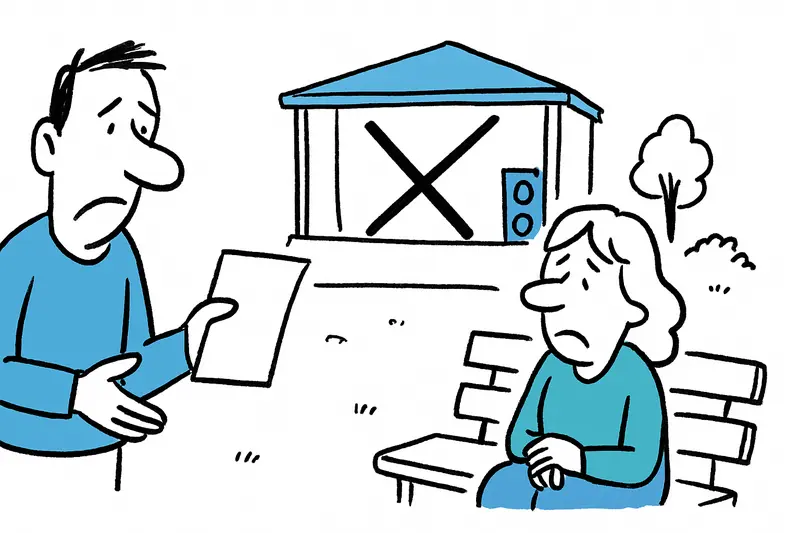
Silence Instead of Music: Palma Cancels Official Sant Sebastià Celebrations
Silence Instead of Music: Palma Cancels Official Sant Sebastià Celebrations
Because of the severe train accident in Andalusia and the three-day state mourning, Palma has canceled all official Sant Sebastià concerts and bonfires. The city feels empty; alternative offerings remain small.
Silence Instead of Music: Palma Cancels Official Sant Sebastià Celebrations
Rain, few pedestrians, muted voices: that was how Palma looked on the morning of Sant Sebastià, when the city canceled the official concerts and the traditional bonfires for the festival. The decision was taken in the context of the three days of state mourning after the severe train accident in Andalusia, in which at least 40 people died, and against a backdrop of local measures curbing public music, such as Less Christmas Noise in Sa Feixina – Success for Residents, but How Lasting?. What is usually a loud, packed day was switched to a quieter mode.
Key question
How does Palma handle the tension between public expressions of solidarity for a distant tragedy and the social and economic consequences of an immediate halt to events?
Critical analysis
The cancellation of official events was swift and understandable: state mourning requires restraint. Still, some decisions appear improvised. Street departments, artists, market vendors and bus operators learned of the changes within a very short period; the bike tour "Diada Ciclista" was canceled and bus detours were implemented. Similar abrupt decisions have been reported, for example Palma bans concerts in Es Coliseu – a noise dispute with consequences and Palma says stop: No more concerts at the Es Coliseu bullring — a reality check. What is missing is a tiered, transparent communication chain. Hotel guests on Playa de Palma learned about program changes only via notices or social media posts, not through official channels. For many self-employed people who depend on the festival days, last-minute cancellations hit their income directly.
What is missing in the public discourse
The current debate speaks a lot about duty and piety, but little about solidarity with the professions that rely on the celebrations. Psychological support for passersby and emergency workers processing sad scenes is barely mentioned. And there is almost no clear guideline on when an event must be canceled and what compensations are possible.
Everyday scene from Palma
On the Passeig del Born two elderly women shield their faces from the drizzle, the asphalt glistens, a market stall at the edge is half closed. From Carrer de Sant Miquel the smell of grilled sausages drifts by now and then; a few neighbors have spontaneously gathered in small groups around a private backyard fire. On the Plaça Major an EMT bus patrols more slowly, passengers get off, look at the canceled stages and whisper. No trumpet, only the sound of the city turned down low.
Concrete solutions
1) A municipal emergency protocol for cultural events: levels, who decides and by when, clear contacts. 2) A short-term solidarity fund: income protection for street artists, caterers and market vendors who earn money from Sant Sebastià. 3) Communication platform: a central municipal info page and hotlines so hotels, organizers and tourists receive reliable information. 4) Psychosocial services: quickly available support points in neighborhoods with heavy foot traffic. 5) Respectful alternatives: approved places for quiet remembrance, candlelight, or small musical tribute moments under municipal coordination to combine dignity and community.
Conclusion
The cancellation was humanly understandable and politically justifiable. Still, piety must not mean leaving those who earn their living from the festival days alone. Palma faces the task of organizing mourning and solidarity in a structured way: clear rules, rapid aid and places for collective remembrance would be a start. Otherwise only silence remains — and many open questions about how to fairly distribute the follow-up costs.
Frequently asked questions
Why did Palma cancel the Sant Sebastià concerts and bonfires?
What happens in Palma when a festival is canceled at short notice?
How should visitors in Mallorca deal with sudden event changes in Palma?
What is Sant Sebastià in Palma and why is it important?
Is it normal for Palma to restrict music and public events?
What should local businesses do when a Palma festival is canceled?
Where do people in Palma go for quiet remembrance during public mourning?
How can Palma better communicate event cancellations in the future?
Similar News
Injured captain, big plans: Germania Mallorca before the away match in Consell
The newly founded FC Germania Mallorca travels to Consell on Saturday. Captain Bastian Müller is out injured, but coach ...
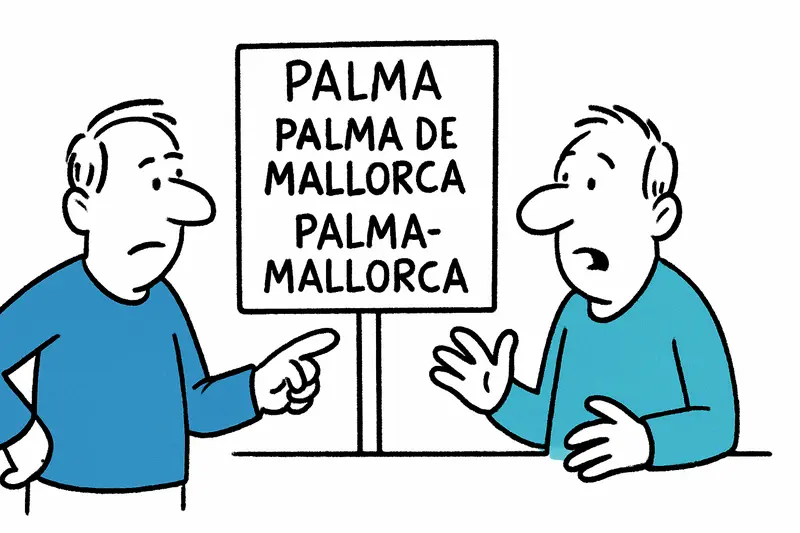
Palma, Palma de Mallorca, Palma‑Mallorca: What is it really about?
The debate over the city's name is more than grammar: it concerns identity, law and branding policy. A sober reality che...
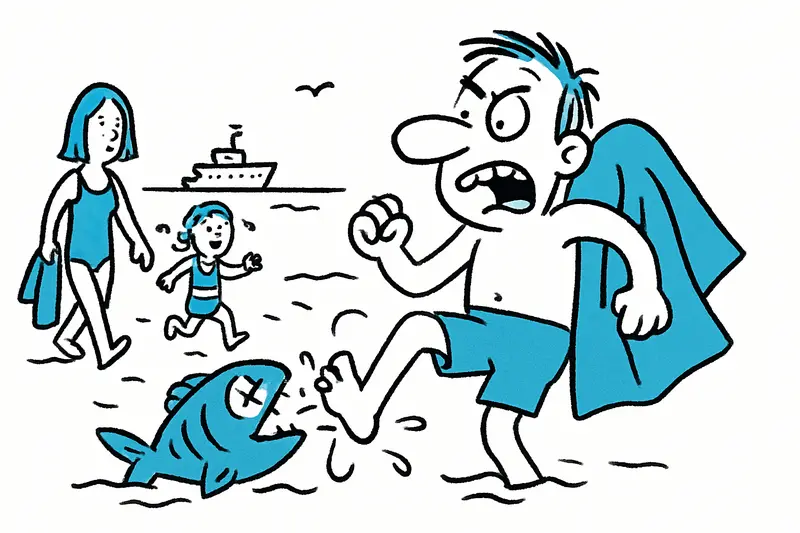
Warning to Bathers: Nipping Fish in Cala Major and Other Coves — a Reality Check
In Cala Major and several beaches around Mallorca, bathers report painful “nips”. Who are the animals, why are they gett...

Rental Car Theft in El Arenal: What This Incident Reveals About Our Gaps
A teenager steals a running rental car in El Arenal, flees on foot, climbs over walls and is caught by the Guardia Civil...

Red Rope in Palma's Library: What Helps Against Selfie Tourism — and What's Missing
Palma's city library cordoned off an area with a red rope to keep selfie tourism away from reading and working activitie...
More to explore
Discover more interesting content

Can Cap de Bou

Townhouse Lleo 72
