
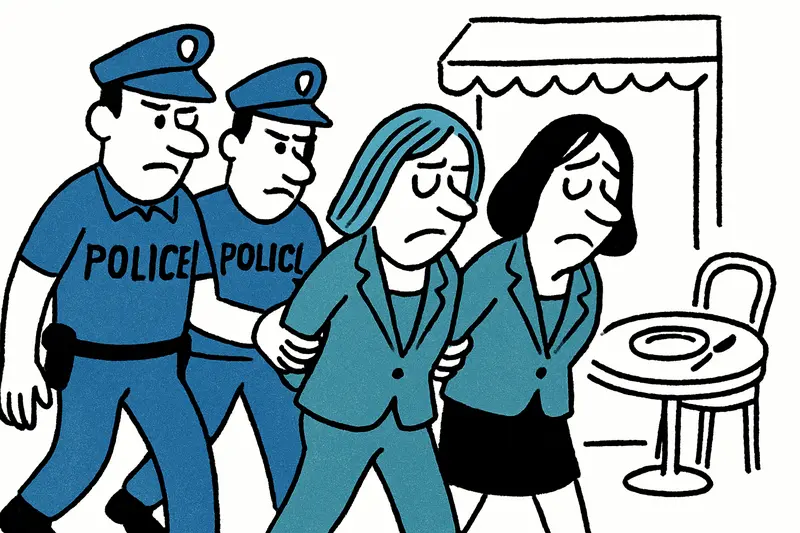
Plaça Major: Shadows Behind the Menu — Arrests After Alleged Exploitation
In Palma's old town a routine day in drizzle ended with a police operation: Two arrests cast a spotlight on long-unnoticed labor exploitation in the hospitality sector.
Police operation at Plaça Major: When the end of the shift never comes
It was drizzling, the café shutters were half closed, the street sweeper was blowing scraps of paper through the alleys — and suddenly the Policía Nacional (National Police) arrived. Two women were taken away. The accusation sounds simple but is serious: years of employing staff without contracts, with meagre or no pay.
Key question: How could this go unnoticed for so long?
The question sits like a pebble in the shoe: How could this happen in a city that lives off tourism and where authorities, inspections and media are constantly present? The answers are not only police details but everyday realities. They reveal patterns: a high demand for cheap flexibility in the hospitality industry, language and bureaucratic barriers for newcomers, and a gap in oversight between the noise of the high season and the routine of winter.
What those affected report: A 28-year-old who speaks anonymously describes workdays of up to ten hours, often only one warm meal as pay, no registration with the Seguridad Social, no holidays, no days off. "Sometimes the only break was the meal at 3 p.m. Sleep, a quick shower, back to work," she says. Such sentences sound banal but are direct evidence of how close poverty and exploitation lie to each other.
What the investigations reveal — and what is rarely seen
The police search documents, interview witnesses and check for violations of labor and migration law. That is the visible trail. Often invisible remains the system that makes such conditions possible: overcrowded shared flats, middlemen who supply workers for a commission, and a neighbourhood that looks away out of habit because "it's always been done this way."
Another factor: many affected people do not know their rights. Social security, back pay, residency status — these sound abstract until the first paycheck fails to arrive or deportation is threatened. Advice centres on Mallorca regularly see how lack of knowledge increases vulnerability to exploitation, as reported in Palma: Sombras tras la carta del menú – Detenciones tras presunta explotación. That means: information is protection.
Aspects that are rarely discussed
There are three often overlooked levels: First, the supply chains of the hospitality sector. If caterers, fish suppliers or vegetable importers operate precariously, this is reflected in small restaurants. Second, the role of seasonal fluctuations: gaps between high and low season where informality thrives. Third, the local communalisation of poverty — people share rooms, shifts and insecurity, out of solidarity but also out of necessity. Similar patterns of oversight and community impact are visible in other local cases such as Ten Suspects from Raid Against Forced Prostitution in Court: A Reality Check for Palma.
Concrete opportunities and proposed solutions
Something concrete can be learned from such a crisis. Proposals that could have a quick effect now:
1. Targeted, non‑triggered inspections by the Labor Inspectorate in tourist core areas — not only seasonally. Visible checks would send clear signals.
2. Multilingual information campaigns (Spanish, English, Romanian, Arabic) at locations where workers are: markets, bus stations, municipal offices. Clear, simple and practical: Where do I register, who helps immediately?
3. Low-threshold contact points in neighbourhoods — a weekly consultation hour at city hall, cultural centres or community houses where volunteers and unions help fill out forms.
4. A protection mechanism for whistleblowers: anonymous reporting options, rapid first aid (emergency shelter, medical care, legal assistance) and accompaniment through legal clarification.
5. Supply chain checks: restaurants should favour suppliers who can demonstrate fair working conditions — this creates a market advantage for reputable businesses. Incidents that raise questions about controls and accountability, such as Arrest in Palma: Suspicion of Subsidy Fraud Raises Questions About Controls and the Neighborhood, underscore the need for systemic checks.
What neighbours, restaurateurs and tourists can do
In the neighbourhood there was outrage but also understanding for "emergency solutions." Everyone can contribute: report observations, even if they seem small — long shifts, missing breaks or accommodations where four people live in cramped rooms. Hospitality businesses should check suppliers and communicate transparently how staff are employed. Customers can ask questions, choose consciously and prefer fair businesses.
A realistic outlook
The arrests can be a turning point: investigations, possible back payments and legal clarifications. More important than pure prosecution is whether the island changes structures that make people vulnerable. It's not only about holding individuals to account but about making systems repairable: prevention, information, and social protection.
A sober tip at the end: Behind every menu are people with rights. If you notice something or are affected: contact the Policía Nacional, the Inspección de Trabajo (Labor Inspectorate) or a local advice centre. Help exists — often faster than you might think.
Frequently asked questions
What should I do if I suspect restaurant workers are being exploited in Mallorca?
How can restaurant exploitation go unnoticed in Mallorca for so long?
What are the signs of labour exploitation in a Mallorca restaurant?
Do seasonal jobs in Mallorca make workers more vulnerable to exploitation?
What rights do restaurant workers have in Mallorca if they are not being paid properly?
Where can workers in Palma get help if they think they are being exploited?
Is it common for tourism jobs in Mallorca to involve unpaid overtime or informal work?
What can Mallorca restaurants do to avoid being linked to worker exploitation?
Similar News

After Being Admitted to Hospital Again: Heinz Hoenig and the Questions We Should Ask in Mallorca
Long-time Mallorca resident Heinz Hoenig was admitted to hospital again. A clear “what next?” is missing from the covera...
Yellow Alert: Is Mallorca Prepared for the Next Rain Band?
Aemet has issued a yellow alert for the south, southwest and the island's interior. Thunderstorms and heavy rain are for...
Kegel brothers trial postponed: Why Mallorca must wait for a verdict
The trial of 13 German holidaymakers will not begin until May 2028. The long wait raises questions — for victims, defend...

Chaos on Palma's Runway: Why the Summer at the Airport Was So Disrupted
This summer laid bare where Palma airport is faltering: only just over half of departures were on time and seven percent...

Cocaine Offer on Ham Street: Why the Open Trade Should Ring Alarm Bells
In the middle of Pare Bartomeu Salvà a tourist was offered a packet of cocaine as part of a sunglasses deal. A short int...
More to explore
Discover more interesting content

Can Cap de Bou

Townhouse Lleo 72
