
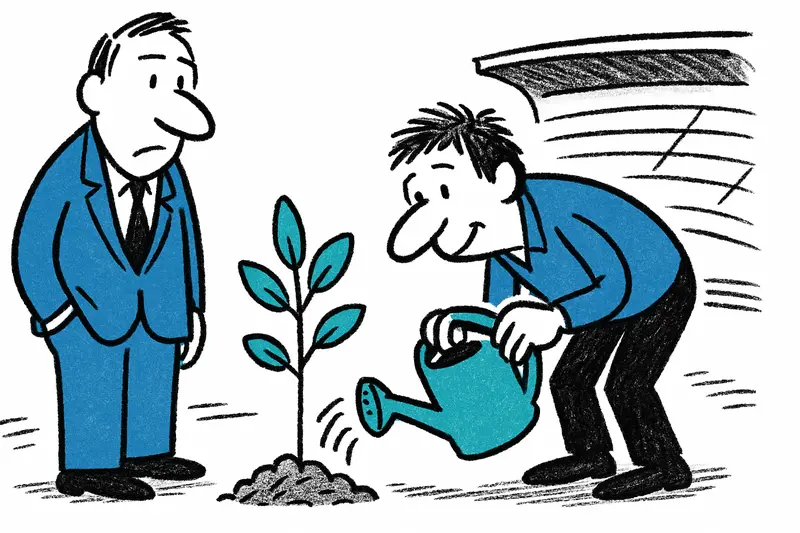
From Velodrome to City Park: Palma Plants a New Green Lung
From Velodrome to City Park: Palma Plants a New Green Lung
The derelict El Tirador velodrome in the heart of Palma is set to be transformed into a public park by 2027. Historic buildings will be preserved and almost 12,000 m² will become green space.
From Velodrome to City Park: Palma Plants a New Green Lung
Amid the noise of traffic on the Avenidas, between the gentle murmur of the Torrent de Sa Riera and the coffee cups on Passeig Mallorca, a quiet spot has stood for decades: the former El Tirador velodrome. It is now planned to become a publicly accessible park — a green piece of the city designed to give the inner city some breathing space.
What is planned
The city council has presented a design to convert the roughly 22,300-square-metre site into a largely natural park. Around 11,900 square metres will be dedicated to green space; paths, seating areas and information about the site's history will complement the concept. The historic buildings and the track itself will be preserved and integrated into the new ensemble, as the area is protected as a Bien de Interés Cultural (cultural heritage site).
Financially, about €3.6 million has been allocated for the measures. Officials aim to approve the final project this year; construction is scheduled to begin in the first quarter of 2027.
How it will affect everyday city life
The future park will not be just for walkers and dog owners. New access points from the ring road around the old town, a dense network of paths, seating zones and two pedestrian bridges that will link the area to the neighbouring Parc des Canòdrom are planned. This will create another section of the so-called Falca Verda (a continuous green belt), connecting Parc de Sa Riera with Passeig Mallorca and better linking different neighbourhoods.
On a mild evening along the Avenidas you can already imagine the benefits: more shade during summer heat, extra space for children to run and places for neighbours to meet on a bench. It is easy to picture joggers using the new routes, older residents chatting beneath citrus trees and school classes having outdoor biology lessons here.
Location, history and nature
The velodrome has not been in regular use since 1973 and still feels like a relic from another era. Its location on the eastern bank of the Torrent de Sa Riera, just one street away from the old town ring, makes the site valuable for urban ecology: watercourses and trees can provide cooling, attract insects and birds, and create a small oasis in the otherwise densely built city centre.
The restoration of the distinctive buildings aims to preserve the site's historical identity. The new design deliberately emphasizes natural surfaces and vegetation to promote biodiversity and to use as many native plant species as possible.
Why this matters for Palma
Urban green in Palma is more than decoration. Especially in hot summers, temperature peaks drop where trees provide shade. Green spaces are meeting points, improve air quality and create places where communities come together. Opening a long-closed site to the public returns urban space to the people.
Looking ahead
In practice, the park's success will depend on how it is managed and maintained. Examples from other parts of the island, such as Paseo Marítimo's new green oasis and the Luis Sitjar redevelopment, show that community planting actions, a yearly events calendar and a clear, low-threshold maintenance plan help new green spaces not only to start but to thrive. The connection to the Falca Verda also offers the chance to extend walking routes and nature experiences through the city, as seen with the new illuminated cycle path between Playa de Palma and es Pillarí.
In a few years, someone standing on the bridge over the Torrent de Sa Riera might hear birdsong where there was once fence and rust, and see how a formerly neglected area has come back to life. For Palma, it's a bit more everyday life turning green — and an invitation for everyone to use this part of the city together.
Timeline at a glance: Area: approx. 22,300 m²; Planned green area: approx. 11,900 m²; Budget: around €3.6 million; Project decision: by the end of 2026; Construction start: first quarter 2027.
Frequently asked questions
What is going to happen to the former El Tirador velodrome in Palma?
When will the new park at El Tirador in Palma be built?
How much green space will the new Palma park at El Tirador have?
Will the old El Tirador buildings in Palma be preserved?
How will the new park near Passeig Mallorca change everyday life in Palma?
What is the Falca Verda in Palma?
Can the new park in Palma connect to Parc des Canòdrom?
Why is Palma turning an old velodrome into a park?
Similar News

Rental Car Theft in El Arenal: What This Incident Reveals About Our Gaps
A teenager steals a running rental car in El Arenal, flees on foot, climbs over walls and is caught by the Guardia Civil...
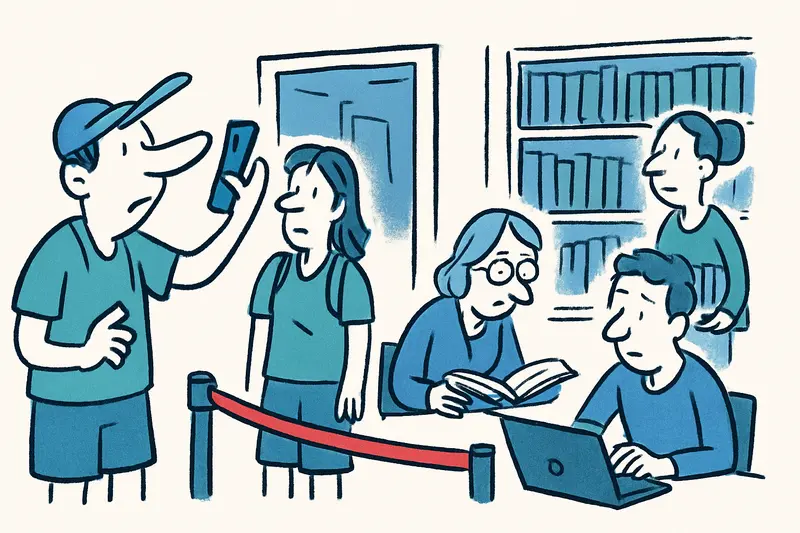
Red Rope in Palma's Library: What Helps Against Selfie Tourism — and What's Missing
Palma's city library cordoned off an area with a red rope to keep selfie tourism away from reading and working activitie...

Fort San Carlos: Museum, Harbor Dispute — and a Conflict That Demands Answers
The military museum at Fort San Carlos sits right on Palma's harbor, with unexpectedly quiet rooms filled with cannons a...
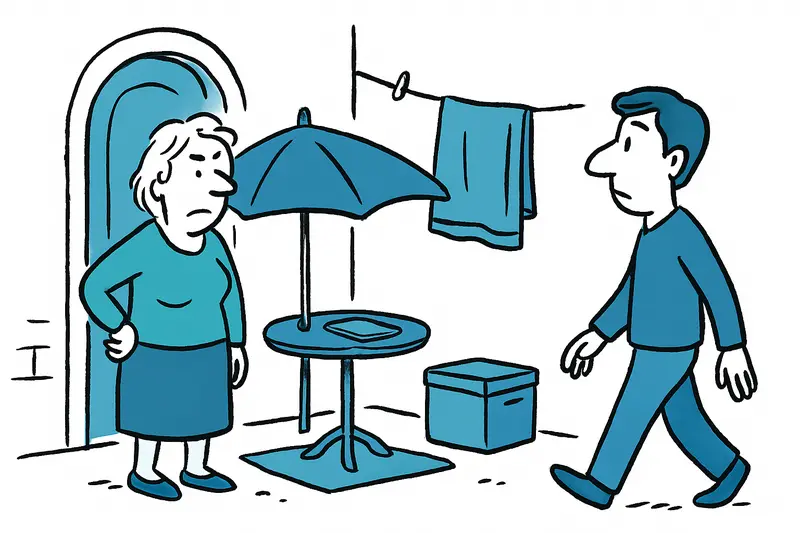
Old Town Under Pressure: When a Doorway Becomes a Sleeping and Shower Place
For months a woman has been living with a parasol, a clothes rack and personal belongings next to the social welfare off...

When Shopping Weighs Heavier: Mallorca Demands a Tax Pause on Food and Fuel
Rising prices are putting pressure on households and agriculture. The Balearic Islands are calling for temporary tax rel...
More to explore
Discover more interesting content

Can Cap de Bou

Townhouse Lleo 72
