
Palma welcomes 23 new electric buses — nine hit the road immediately
Palma welcomes 23 new electric buses — nine hit the road immediately
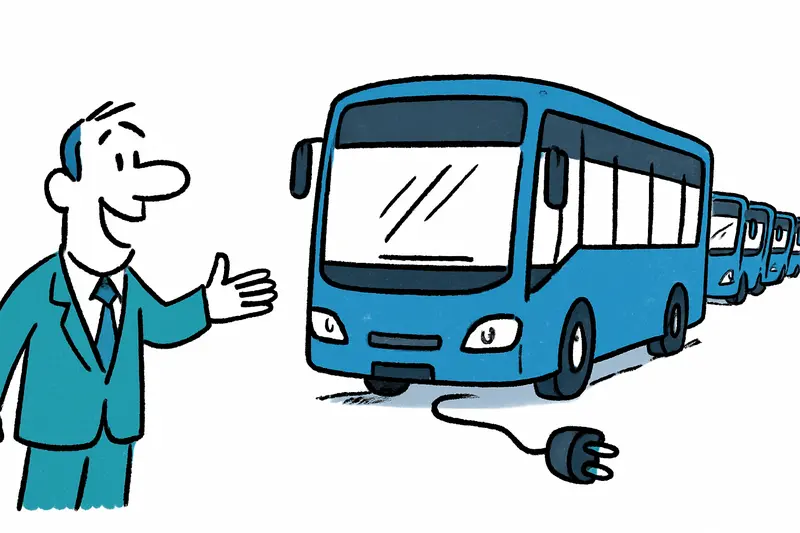
Palma's transport operator EMT receives 23 new electric buses. Nine vehicles will be put into service this spring on lines 1, 6 and 10. Part of a broader plan: up to 113 zero-emission buses and new charging infrastructure, with around €98 million in planned investments.
Palma welcomes 23 new electric buses — nine hit the road immediately
A visible piece of climate-friendly mobility for the city
In the early morning, when the cafés on Passeig del Born are just setting out their chairs and the city lights still cast a soft glow on the paving stones, there's a new sound in the streets these days: almost silent rolling instead of the usual diesel symphony. EMT in Palma is getting 23 new blue electric buses. Nine of them are already planned for daily service — among others on lines 1, 6 and 10, as reported in More Buses for the School Start: Palma Eases Morning Traffic.
This is more than a mere replacement of old vehicles. The purchase is part of a larger modernization program: up to 113 zero-emission buses are planned. The city has budgeted around €98 million for this, a point discussed in Palma's Budget 2026: More Police, E‑Buses — But Is That Enough for the City of Tomorrow?.
For commuters and tourists this means immediately noticeable changes: fewer exhaust fumes at stops like Plaça d'Espanya, quieter driving along Avinguda Jaume III and a more pleasant feeling on crowded buses during rush hour. Someone waiting in the morning at the Santa Catalina stop notices the difference after just a few days — the cold and noise haven't disappeared, but the air feels fresher and the boarding sound is gentler.
The new vehicles are valued not only for comfort. Electric buses have advantages in city traffic: lower particulate matter and nitrogen oxide emissions, less noise and often lower operating costs in the long term. That's a benefit for residents in densely built neighborhoods and for businesses that want a more attractive urban image. In an island city like Palma, where many journeys are short and stop frequency is high, quieter and cleaner transport makes immediate sense.
Of course, the switch also involves organizational effort: charging infrastructure must be planned and built, workshops need new staff with electrification skills, and timetables may change. In Palma, locations for new charging stations have already been identified for the first steps. This is important so that the buses can perform their duties without uncontrolled downtime.
The development is especially relevant for the tourist season. Guests travelling from Son Sant Joan Airport into the city now experience Palma differently: fewer exhaust fumes and a quieter arrival, helped by improvements such as the New central bus platform at Palma Airport: clarity instead of luggage scramble. This is not a luxury matter but guest service and a visible sign of a city committed to sustainability. At the same time, electromobility creates jobs in workshops and for charging infrastructure — from electricians to charging park managers.
A small detail on the side: in the coming weeks you will more often see bus drivers checking displays at the new stops, running short route tests and explaining to passengers how boarding a quieter vehicle works. Such scenes are becoming everyday occurrences and make the change tangible.
What remains to be done? Expand the charging points, inform users, offer training and plan the further transition step by step. If Palma implements the vision of up to 113 zero-emission buses, the city center will change noticeably. More trees will breathe easier, streets will sound calmer and the city's image will gain a modern touch without big showiness — more like a city changing its breathing.
Conclusion: The 23 new buses are not a spectacle but practical urban renewal. Nine vehicles on lines 1, 6 and 10 are the first tangible step. For Palma, it is a signal: public mobility can be better — quieter, cleaner and suitable for everyday use.
Frequently asked questions
What should I expect from Mallorca weather in spring?
Can you swim in Mallorca in spring?
Is spring a good time to visit Mallorca?
What should I pack for Mallorca in spring?
What is Alcúdia like in spring?
Is Port de Pollença good to visit in spring?
What is Pollença old town like in spring?
How warm does Mallorca usually get in spring?
Similar News

More water than last year: Mallorca's reservoirs breathe easier
September rain refilled the Tramuntana's reserves: overall fill around 35 percent, Cúber at 40.42 percent, Gorg Blau at ...

Three Luxury Hotels in Banyalbufar: Lots of Money, Many Questions
A Danish investor plans three exclusive accommodations in Banyalbufar — including the historic Son Valentí. The announce...
2.1 tonnes of cocaine on sailing yacht off Spain's coast – a reality check for the coastguard
A 14-metre yacht was seized with 2.1 tonnes of cocaine. Who monitors the ports, how does the international hunt succeed ...

Heat Bonus in Mallorca: 100 Euros Extra for Outdoor Staff at MarSenses
MarSenses pays employees who worked outdoors in August an extra €100 as recognition. Lighter uniforms, reduced hours for...

Renovating in Mallorca: What You Really Can Do Without Neighbour Consent
Many think they can do whatever they want in their apartment. That's partly true — but only as long as structural elemen...
More to explore
Discover more interesting content

Can Cap de Bou

Townhouse Lleo 72
