
More Buses for the School Start: Palma Eases Morning Traffic
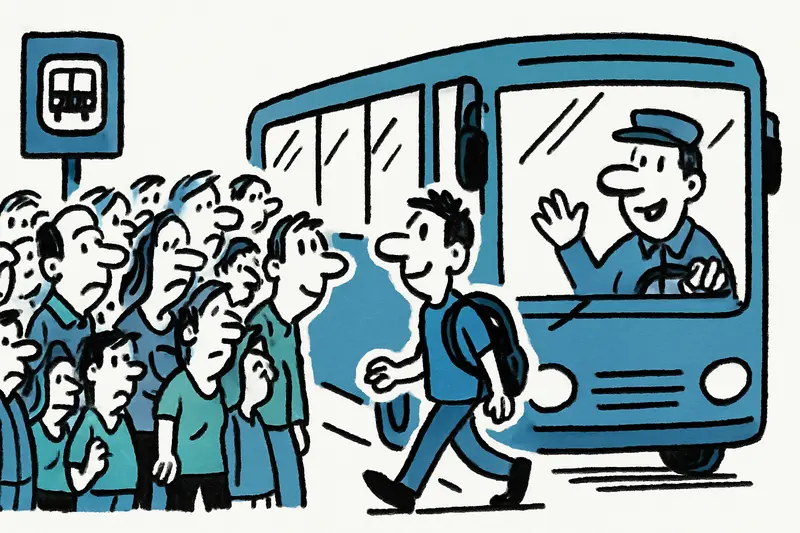
At the start of the school term, Palma has ten to thirteen percent more buses in operation. Shorter waiting times on Avinguda Jaume III and Plaça de Cort reduce crowding — giving parents and commuters a small everyday breather.
More buses, less crowding: Palma breathes easier in the morning
The start of the school term has noticeably changed Palma this morning. The usual pushing at the stops on Avinguda Jaume III did not occur, and people at Plaça de Cort were spread out like on a well-ventilated plaza — not packed as usual when the bus is overflowing. Traffic control deployed additional vehicles at short notice: a total of 191 buses are now in service, 13 more than last year and 37 more than in 2019, as reported by Más autobuses en Palma: al inicio del curso escolar circulan claramente más vehículos. For parents, students and commuters this means: more space, less crowding and a morning that doesn't get overwhelmed by hectic rush.
Where the change is most noticeable
The reinforcement is especially evident on lines 5, 7 and 8. During the morning peak hours the buses now run, according to the timetable, every five minutes. Those who commute to the university or vocational schools notice it immediately: the queue at the cigarette machine next to the stop is shorter, and the usual discussions over free seats are absent today. Even the traffic noise seems subdued — perhaps because fewer people have to speak loudly on their phones inside the bus.
How the measure is received in everyday life
At the stop on Avenida de Mallorca, parents report that between 7:30 and 9:00 there are finally seats available again. A driver on line 7, who has been running the rounds for years, smiled: “You notice when the school term starts again — otherwise the youngsters stand packed like sardines.” The scene is calming: children with new backpacks, headphones on their ears, a few older passengers folding their newspapers in peace. Add the sound of rolling suitcase wheels and the smell of freshly brewed coffee wafting from a nearby bakery.
Will the buses stay longer?
Whether the increased service will become permanent is still uncertain. Transport companies are monitoring occupancy in the coming weeks. If passenger numbers remain stable, the higher frequency could become a model for the coming months — much to the delight of commuters who already hope for a small morning breather. In practice this means: those who regularly commute by bus to Palma might have to rush through the city less in the future.
Why this is more than just a start
A few extra buses may sound unspectacular, but they carry great weight in everyday life. When people no longer wait cramped together, fewer tense situations arise and punctuality increases. Schools benefit because students arrive more relaxed, parents gain time — often the most valuable resource in the morning. For the city, a more stable public transport system can also mean fewer short car trips and thus potentially less noise and exhaust in the busy neighborhoods.
Small signs, big impact
At Plaça d'Espanya or at the entrance to the city hospital it remains busy — buses there often run at their limit. But the first week with more vehicles already showed: targeted reinforcement at peak times can provide noticeable relief, though a discussion of Palma's traffic dilemma notes that street congestion persists. If the weather stays mild, the cityscape in the morning becomes less hectic; the ringing of church bells mixes with the quiet whir of doors, not with angry shouts at the stop.
Looking ahead
Traffic management should now closely monitor how demand develops and where bottlenecks shift. An expanded information offering (real-time updates at stops, improved frequency display in apps) and better coordination with school start times could make the effect last. For Palma this is an opportunity: if this small relief proves successful, it could become part of a larger plan to make the city more human-centered in the mornings.
Conclusion: Unspectacular? Maybe. Effective? Definitely. A few additional buses for the school start have noticeably calmed Palma's morning rhythm. And let's be honest: if you arrive with five minutes less waiting time, the day starts off better. Not only for pupils, but for the whole city.
Frequently asked questions
Why are Palma buses less crowded at the start of the school term?
Which bus lines in Palma have the most extra service in the morning?
Is it easier to get a seat on Palma buses during school mornings?
How often do Palma buses run during the morning rush now?
Will the extra buses in Palma stay after the school start period?
What does the bus change mean for parents in Palma?
Where in Palma is the new bus service most noticeable?
Does Palma’s bus reinforcement help reduce traffic in the city?
Similar News

Maribel: Five Decades of Service – Housekeeper from Peguera Celebrated with a Special Honor
Over 50 years in the hotel business: María Isabel “Maribel” Molinos was honored in Palma at the Nit del Turisme by Unive...

Orange Alert over Parts of Mallorca: Are We Prepared?
Dark clouds and an announced wet spell have triggered an Orange alert in parts of Mallorca. A reality check: what's miss...

Sundair & Co.: Sale speculation and what it could mean for Mallorca
Rumors about a possible sale of the airlines Sundair and Fly Air 41, which belong to Schauinsland-Reisen — and whether b...
Anne Wünsche in Mallorca: A job offer with a catch — who fits the role of personal assistant?
Influencer Anne Wünsche has left Berlin and is urgently looking for a full-time personal assistant in Mallorca. Why the ...

Daily from New York: Palma Between Boom and Strain
United will increase the Newark–Palma route to daily flights in 2027 using Boeing aircraft (231 seats). What does the in...
More to explore
Discover more interesting content

Can Cap de Bou

Townhouse Lleo 72
