
Why Palma's Paseo Marítimo Is Getting Emptier — and What the City Needs to Do Now
Why Palma's Paseo Marítimo Is Getting Emptier — and What the City Needs to Do Now
New waterfront promenade, empty tables: High rents, lost parking spaces and bureaucratic hurdles are pushing restaurants and clubs away. An inventory with clear questions and concrete proposals.
Why Palma's Paseo Marítimo Is Getting Emptier — and What the City Needs to Do Now
Leading question: Can a prettier promenade become a meeting place without affordable spaces and parking — or will it devolve into an impressive backdrop without people?
The Paseo Marítimo: More boulevard, more questions — will Palma make the new waterfront part of everyday life? shines in daylight: light stones, young palm trees, benches for photos. In the evening, when the lights come on and the promenade should actually be alive, you can sometimes hear at most a few footsteps, the clatter of folded chairs and the distant call of a taxi driver. This is exactly the picture described by local business owners: three years of construction (see Last corner of the Paseo Marítimo: Palma gets its promenade back), a fresh start with a chic surface — and yet the guests are missing.
The explanation often given is no secret: shop rents that rise significantly on new contracts, and parking spaces that disappeared during construction and never returned. The operator of the group Palma Emotions World, Valerio Petrillo, cites a drop in customers as the reason for some businesses closing on the Paseo; a not insignificant part of the scene is also in insolvency proceedings. On the association side, CAEB Restauración points out that prices could double on new contracts — which simply makes many business models impossible.
The result is visible: some bars had to close, others lost their licenses. Nightlife is shifting to neighborhoods with better accessibility and lower fixed costs, such as Santa Catalina, or to industrial areas like Son Castelló, where rules for loud music and rent levels are different. Falling purchasing power also plays a role: a local café often only makes very small daily takings in winter nowadays.
What is often missing in public debates: the promenade is not self-running. Urban planning, business promotion and traffic management must work together. A newly paved boulevard does not replace a parking space, an affordable small venue or a short-term parking spot for guests who decide to stay spontaneously. This is not purely an economic problem; it is an issue of user needs.
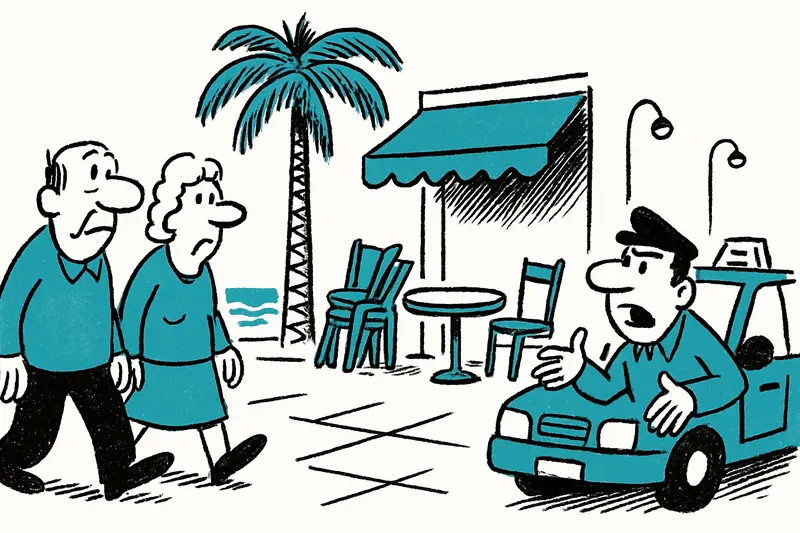
A scene from Palma I often see: it is a mild winter evening, the metal shutters of a bar are half open, but the tables remain empty. A delivery rider squeaks his bicycle up the ramp, two older residents walk along the promenade and wonder why their favorite pub is closed. The taxi driver at the roundabout searches in vain for free parking spaces; guests instead get into taxis bound for Santa Catalina — and the lights on the Paseo stay off.
Critical analysis
The city has invested a lot of money and planning in the promenade in recent years, as noted in Paseo Marítimo: Big Spending, Little Everyday Usefulness. That is good — but the project does not end with a ribbon-cutting. If rental contracts on the open market are raised far beyond the calculated revenue levels, the promenade loses its everyday use. The problem is not a single landlord, but a system: real estate economics, tourist demand, municipal land policy and licensing are in a tension that is currently to the detriment of small and medium-sized businesses.
Construction measures removed parking spaces, and many were not compensated. Without short-term parking, visitors who decide spontaneously cannot stay. Gastronomy depends on spontaneity and foot traffic; if accessibility is lacking, the scene shifts to where parking or cheaper rent structures exist. At the same time, industrial zones facilitate permits for night-active venues, which encourages relocation.
What is missing in the public discourse
Discussions most often focus on attractive cityscapes and investment sums. Less often do they address concrete buffers for businesses: rent caps for existing shops, time-limited subsidies after major interventions, temporary parking solutions during and after construction phases, a "night mayor" as a contact for conflicts. Social aspects are also underexposed: who loses work when cult bars disappear? Who bears the follow-up costs of empty streets? This ties to questions raised in Who is Palma's new waterfront boulevard really for?.
Concrete proposals
- Rent stabilizers for existing businesses: temporary caps on rent increases at contract renewal after major city interventions, linked to proof of revenue losses.
- Parking strategy: short-term parking spaces and tariff-friendly evening zones, temporary parking on vacant lots, better signage to parking garages.
- Administrative relief: accelerated permit procedures for smaller music venues in core zones with noise-protection–oriented conditions instead of blanket bans.
- Financial bridging: small subsidies or low-interest microcredits for affected venues in the restart phase.
- Activation formats: city festivals, night markets or "open terrace days" that specifically bring back foot traffic.
- Dialogue platform: regular roundtables with landlords, operators, residents and the administration, moderated by a neutral body (e.g., the chamber of commerce or a business association).
Many of these measures would not change things overnight, but they could prevent a public space from becoming an art installation without an audience.
Concise conclusion
Palma has received a new promenade — now the task is to get people to interrupt their jogs there again, for guests to drop in spontaneously and for night owls to meet. That is not achieved with stones and lights alone, but with affordable spaces, parking logic and practical administration. If politicians do not have this on their agenda, the Paseo will someday look good in guidebooks and remain empty on site. And that would be bitter: a beautiful promenade without the city's voice.
Frequently asked questions
Why does Palma’s Paseo Marítimo feel quieter at night now?
Is the new Paseo Marítimo in Palma still worth visiting?
Why are some bars and restaurants on Palma’s Paseo Marítimo closing?
Where is Palma nightlife moving if it is no longer concentrated on the Paseo Marítimo?
Why is parking such a big issue on Palma’s Paseo Marítimo?
What can Palma do to make the Paseo Marítimo busier again?
What is the best time of year to visit Palma’s waterfront if you want a quieter walk?
What should visitors expect from the Paseo Marítimo in Palma now?
Similar News
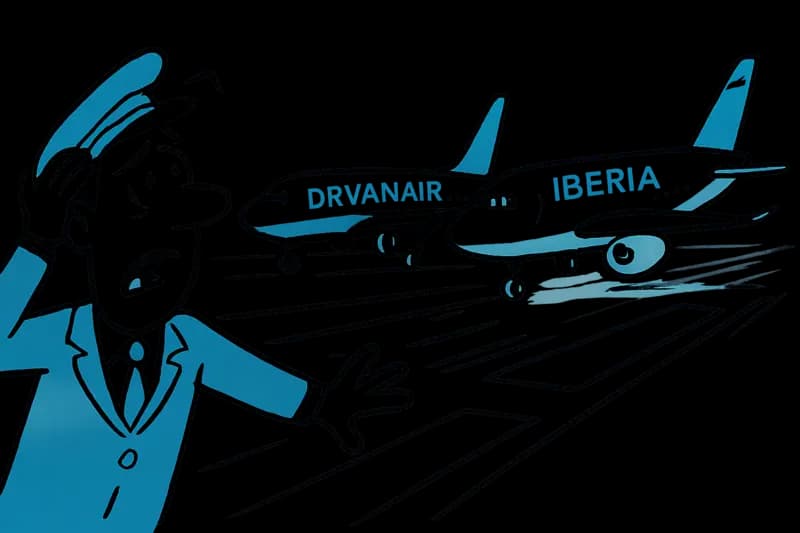
Near-miss on Lanzarote: Landing Ryanair Jet and Iberia Takeoff — what really went wrong
On Lanzarote there was a dangerous incident: A Ryanair flight (FR5910) from Dublin landed on runway 03 while an Iberia E...

Eurowings introduces new Premium Business seats on Mallorca routes
From December 1, selected Eurowings flights to Palma and other destinations will feature eight particularly generous sea...

Car on MA-13 near Inca in flames – a safety check for the island
A vehicle caught fire on the MA-13 towards Alcúdia on Tuesday afternoon. The driver was uninjured, the car was destroyed...
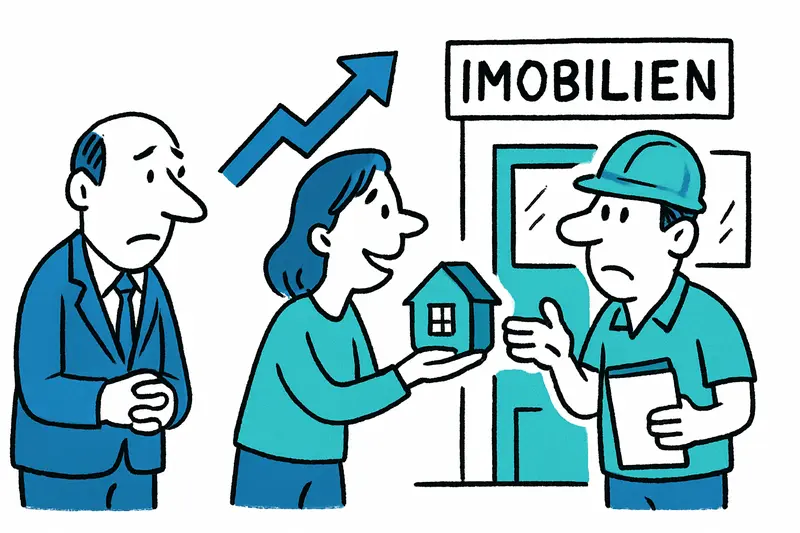
Real Estate in Mallorca: Fewer Buyers, Higher Prices — What's Behind It?
Sales on Mallorca are falling, yet prices continue to climb. Why fewer transactions do not equal relief — and what shoul...
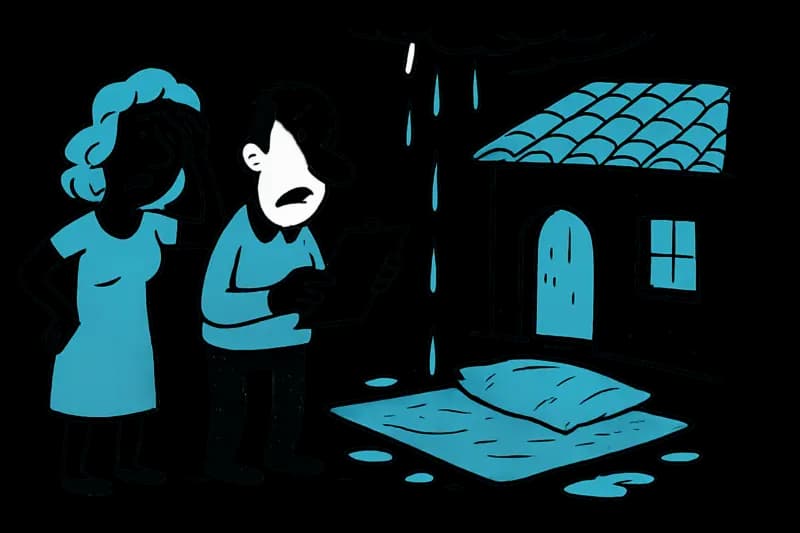
Just Bought — Already Trouble: Water Damage in the Heiters' Villa and What Owners in Mallorca Should Know Now
A newly purchased sea-view property — and within days a water damage. What risks lurk in new properties in Mallorca, and...
More to explore
Discover more interesting content

Can Cap de Bou

Townhouse Lleo 72
