
Nights in Pere Garau: Alcohol Sales After 9:30 PM? An Analysis and Solutions
Residents in Pere Garau are calling for a ban on alcohol sales from 9:30 PM. How effective is the idea, who would bear the cost — and which alternatives would truly help?
Should alcohol sales in Pere Garau be stopped from 9:30 PM?
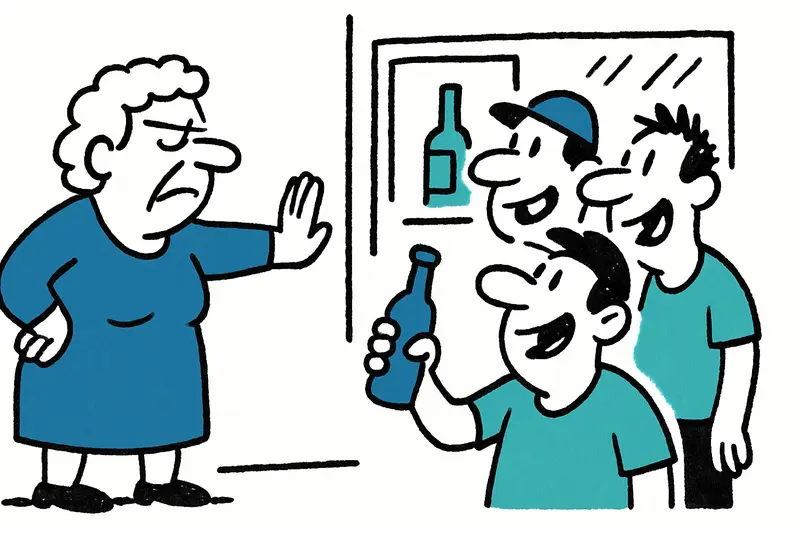
For weeks there has been more happening than usual in the side streets of Pere Garau: loud laughter, bottles clinking on the asphalt, music drifting over from another night. Cigarette butts lie on many stairways, and groups gather in front of small shops, staying out late. The central question neighbors are now asking: would a sales ban on alcoholic beverages from 9:30 PM really make the nights quieter or just create new problems?
Complaints from the neighborhood
“I work at night and need quiet during the day to sleep,” says a resident who lives by a small park. You can hear it when the garbage truck drives down the street or a postal van makes its rounds: the disturbance affects everyday life directly. Many older residents report that groups used to be easier to address, but the dynamics are different today. The neighbors in Pere Garau demanding an earlier alcohol sales ban does not want a general prosecution of people going out but concrete rules for retailers: no sales of alcohol after 9:30 PM in supermarkets and kiosks.
What is often left out of the discussion
The demand is understandable, but some aspects are hardly discussed publicly: who would enforce a nightly sales ban? Would the problem simply shift — for example into private spaces or to reports of illegal alcohol sales on the Paseo Marítimo? And what effect would a ban have on small shop owners who often earn extra income in the evenings? These questions are not only bureaucratic; they touch on the social and economic realities of the neighborhood.
An additional, easily overlooked point: alcohol is not always the sole cause of noise. Missing seating, too few trash bins, poor lighting or a lack of youth outreach points increase conflicts. A pure sales ban often falls short here.
Practical alternatives and concrete measures
From talks with residents and shopkeepers a mix of short- and medium-term measures emerges that is more realistic than a blanket sales ban:
1. Pilot phase with clear responsibilities: Instead of immediately banning sales city- or region-wide, Palma could start a test phase in Pere Garau — with defined control times, involvement of the Palma Local Police website and clear sanctions for non-compliance.
2. Voluntary agreements with shops: Business owners are more likely to accept rules if they are involved in the process. Time-limited sales restrictions, refraining from single-item sales of alcohol in disposable bottles or clear information at the checkout could be first steps.
3. Presence, but done differently: More frequent patrols by the Local Police are important, but community policing teams and mediators who mediate between young people and residents can be just as effective.
4. Infrastructure instead of repression: Additional trash bins, cleaner stairways, more seating at designated meeting points and better lighting reduce loitering in inappropriate places and therefore noise and litter.
A workable compromise
A compromise that appeals to many: no harsh bans without review, but graduated measures. For example, a ban on the sale of alcohol in single-use containers from 9:30 PM combined with an information campaign in schools, youth centers and at points of sale. This preserves the livelihoods of small shops while visibly restricting nighttime consumption.
Transparent data collection would also be important: WHO environmental noise guidelines, the number of complaints, frequency of gatherings — only with numbers can it later be decided objectively whether the measures are effective.
What the city could do
The city administration in Palma faces the task of balancing interests. A successful approach would take the neighborhood seriously, involve shops and expand preventive offers for young people. A combination of test phases, voluntary agreements, more municipal infrastructure and targeted education has the best chance of restoring nighttime quiet in Pere Garau without unnecessarily exacerbating social tensions.
In the end, most people in the neighborhood are not seeking punitive measures against going out per se, but respect: quiet at night, clean steps in the morning and a coexistence in which voices and footsteps again have their place. If the solution is developed not only from above but with the people on site, Pere Garau can find the nights it and the neighborhood itself need.
Frequently asked questions
Why are residents in Pere Garau asking for an alcohol sales ban after 9:30 PM?
Would stopping alcohol sales after 9:30 PM actually make nights quieter in Mallorca?
What are the main problems neighbours report in Pere Garau at night?
What measures could Mallorca use instead of a strict alcohol ban in Pere Garau?
How could a late-night alcohol sales ban affect small shops in Pere Garau?
Who would enforce an alcohol sales ban after 9:30 PM in Mallorca?
Could the problem of late-night drinking in Mallorca just move somewhere else?
What can local authorities in Palma do to reduce night-time noise in Pere Garau?
Similar News

First Day, First Consequences: What Palma's Rent Freeze Really Means
A new decree stops a planned eviction in Palma — but what really changes for tenants and landlords? A reality check with...

When Housing Becomes a Matter of Survival: Mallorca Between Rental Frenzy and Everyday Life
The case of 87-year-old Maricarmen showed that on Mallorca many people's lives are poised between affordable and uninhab...
Autumn in Mallorca: When Melancholy Gets a Window
Why autumn quietly tightens here — and how to make use of the mood: walks, culture, candles and the light from Palma to ...

Near-miss on Lanzarote: Landing Ryanair Jet and Iberia Takeoff — what really went wrong
On Lanzarote there was a dangerous incident: A Ryanair flight (FR5910) from Dublin landed on runway 03 while an Iberia E...

Eurowings introduces new Premium Business seats on Mallorca routes
From December 1, selected Eurowings flights to Palma and other destinations will feature eight particularly generous sea...
More to explore
Discover more interesting content

Can Cap de Bou

Townhouse Lleo 72
