
A gradual farewell from Pere Garau: Who will shape the neighborhood in future?
A gradual farewell from Pere Garau: Who will shape the neighborhood in future?
Pere Garau is visibly changing: streets, shops and rhythms of life are shifting. What are the consequences of the displacement of traditional retail — and what is missing from the debate?
A gradual farewell from Pere Garau: Who will shape the neighborhood in future?
Key question: Can Pere Garau preserve its everyday structure without stifling its new diversity?
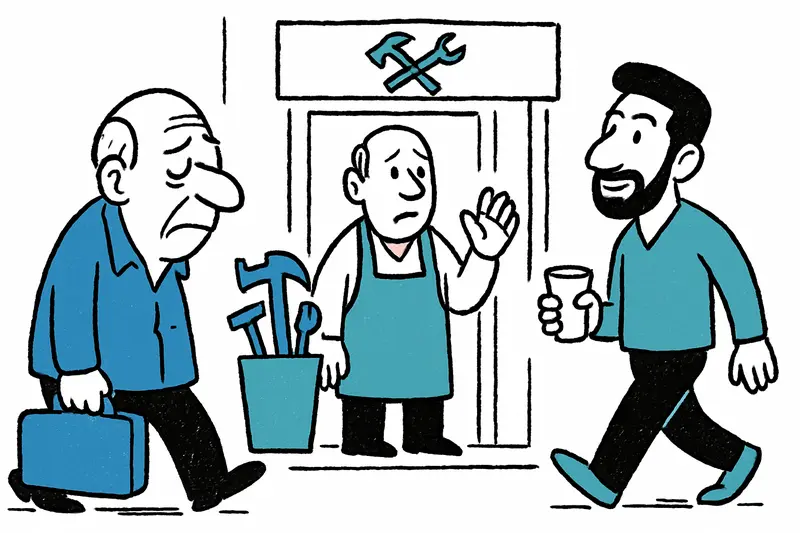
When I walk down Carrer Nuredduna on a Saturday morning, I no longer hear the hum of engines but the clinking of coffee cups, a mixture of languages and the distant trickle of a fountain. The once narrow shopping street has become a promenade: McDonald's, gyms and real estate offices now line the stretch where cobblers, fabric merchants and a patinated bar once stood. This observation is not a local myth — it is everyday life in Pere Garau.
The development is complex: the pedestrian zone has created space and calm, but it has also attracted new customer groups and driven up property prices. Residents like Nael Falo see in this the start of a process that changes not only shops but entire daily rituals. Such assessments are important, but they do not answer the key question: Are there ways to preserve the neighborhood's vitality without displacing its residents?
Critical analysis: gentrification here is not a buzzword but a process with several levers. First: rent increases and conversions of commercial spaces into housing uproot long-standing businesses. Second: big chains and online commerce compete with specialized craft shops, especially when landlords speculate on higher returns. Third: the new tourist segment — visible, for example, around the four-star hotel Nou Baleares at Plaça Francesc García i Orell — brings demand for different offerings. The result: traditional shops like Cuchilleria Sineu or Ferreteria Colom become exceptions rather than the norm.
What is often missing from public discourse are two things: a sober accounting of social costs and a look at infrastructure. There is a lot of talk about signs, facades and market value, but too little about everyday functions: Where should older residents receive their health care if the center becomes increasingly tourist-oriented? Who will care for shade-giving street trees when construction and conversions take priority? Lina Ponsell points to the acute lack of green spaces and an overburdened health center — concrete failures that are often overlooked in urban planning debates (Where is my tree? Pere Garau marks the gaps in urban greenery).
An everyday scene: in the morning at the market square people queue in front of Ferreteria Colom, Alemannans speak Mallorcan, children run with cones from Gelats Paco, and two young men from an oriental barbershop queue loudly argue about a football match. At the same time five young tourists stand in front of the Nou Baleares photographing the arcades. This layering makes Pere Garau lively, but it also reveals tensions: use of space, noise and differing needs collide.
Concrete solutions must not remain platitudes. Suggestions that can be implemented locally:
• Commercial rent protection for traditional shops: In refurbishment projects or when shop premises are sold, the city should consider temporary rent controls or return rights for local craft businesses. This helps secure continuity for shops like Cuchilleria Sineu.
• Fund for small businesses: A municipal fund, financed by a small share of city revenues from commercial conversions, could provide interest-free loans or grants to family-run businesses.
• Flexible use regulations: Instead of blanket conversions of commercial space to housing, mixed-use zoning rules could be introduced to reserve units for neighborhood needs (e.g. essential groceries, a pharmacy, hardware).
• Municipal acquisition options: The city could strategically buy shop spaces and lease them long-term to operators serving the common good — Community Land Trust-like models can be adapted for urban contexts.
• Infrastructure against displacement: More trees in side streets, space for playgrounds and a clear priority for a new health center and a sports facility in the neighborhood (the city has also proposed projects around the old Metropolitan site, see From the Metropolitan to the Neighborhood Center: Palma's Plans for Pere Garau Under Scrutiny). These measures strengthen living quality for the existing population.
What can be done immediately: temporary rent subsidies for shops that have existed for decades; clear rules for the conversion of shop floors; and a roundtable with resident representatives, landlords and the city administration to prioritize concrete projects.
Conclusion: Pere Garau is not facing a simple dichotomy of loss or gain. It is about how change is managed. If planning is left solely to market forces, the neighborhood will lose its daily soul: the bakers, haberdashers and hardware stores that not only sell goods but also knowledge, reliability and neighborliness. With targeted political interventions, financial support for small businesses and clearer prioritization of infrastructure, the balance can be restored. I leave the Nuredduna, still hearing the clink of glasses at Bar Mónaco, and think: It is not too late, but it will take work.
Frequently asked questions
Is Pere Garau in Mallorca changing because of gentrification?
What is Pere Garau like for everyday life in Mallorca now?
How can Mallorca protect traditional shops in Pere Garau?
Is Pere Garau still a good area to live in Mallorca?
What is Carrer Nuredduna in Pere Garau like now?
Does Pere Garau in Mallorca have enough green space and services?
How does tourism affect Pere Garau in Palma?
What solutions are being discussed for Pere Garau in Mallorca?
Similar News

Mistaken identity with fatal consequences: Brutal assault in S'Aranjassa — what's missing in the follow-up?
At S'Aranjassa a visitor to a finca was tied up, beaten and thrown out of a van. Three men have been arrested, including...
High heel slips, car accelerates: accident on Camí de Son Hugo
A woman lost a high-heeled shoe on the forecourt of the sports facility at Camí de Son Hugo. The car accelerated, mounte...
Phone Scam: How Two Hotel Employees at Playa de Palma Lost Thousands of Euros
One morning in September, two reception employees at Playa de Palma were pressured by alleged alarm-company staff — in t...

When the Wallet Becomes a Danger: Attack in Peguera and Lessons for Mallorca
In Peguera, two women are said to have stolen the wallet from a 75-year-old German couple. When the victim intervened, t...
Plata stays Plata: Young people take over, Llonguets remain
A small bar on Carrer de l'Argenteria will continue: Tolo Serra hands the place over to young Mallorcans at the end of t...
More to explore
Discover more interesting content

Can Cap de Bou

Townhouse Lleo 72
