
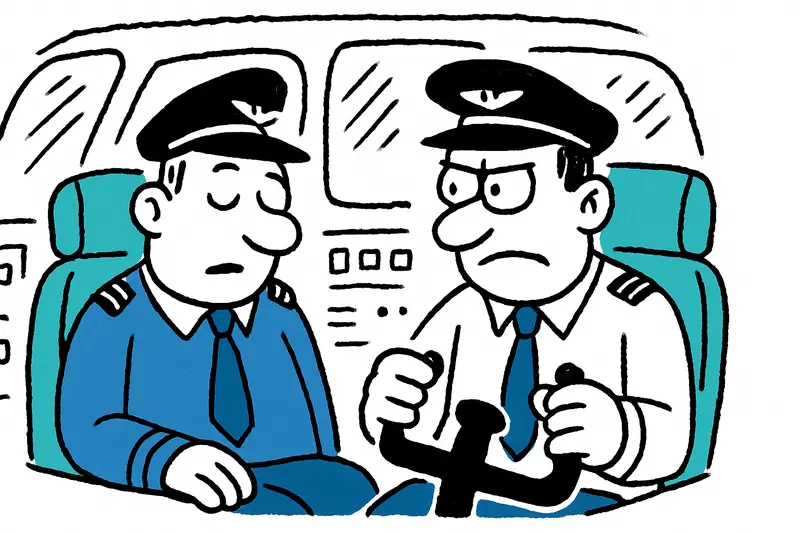
When Napping Becomes the Rule: Why Short Sleep in the Cockpit on Mallorca Is Becoming a Problem
A survey shows: pilots are taking short sleeps during flights more often — out of necessity, not comfort. This is noticeable at Palma airport. Time for a sober look at causes, risks and solutions.
When Napping Becomes the Rule: Short Sleep in the Cockpit Between Emergency Measure and Normality
The sounds at Palma de Mallorca Airport official page reveal it: taxiways full of jet fuel, announcements, the hum of air conditioning in summer. Beside them sit staff pushed to their limits. A survey among German cockpit crews makes clear what many here already suspected: short, controlled sleep — called "napping" — is no longer an isolated case but part of the working day for many. As reported in Cuando el napping se convierte en norma: por qué la siesta breve en la cabina en Mallorca se vuelve un problema.
The Key Question
If napping increasingly becomes routine: how safe is flying when short sleep is the response to systemic overload?
What the Numbers Suggest
More than 900 crew members reported having slept during a passenger flight in recent months. Not only on long-haul sectors, but also on short-haul flights with tight connections. For some it is an occasional tool, for others a daily trick to get through duty. Very few report a one-off incident.
Why Napping Is Increasing
The reasons are less spectacular but all the more serious: tight rosters, staff shortages during peak season, heat waves, last-minute diversions after storms, or tight turnaround times. Anyone standing in line at Gate B12 at 6:45 a.m. knows that there is often little room for real rest between security checks and the next assignment. A short sleep then feels like the only practical solution.
The Underestimated Problem
A five- to twenty-minute nap is not inherently dangerous. In controlled situations it can reduce acute fatigue. It becomes problematic when napping is used as a bandage for a chronically overloaded system. Prolonged stress alters concentration, decision-making and reaction times — and that cannot be compensated with a few naps per shift. In Mallorca that means concretely: full summer flights, rapid turnarounds, and crews who may already be scheduled again for the next morning.
Insufficiently Examined: Culture and Oversight
Little discussed is the culture behind napping. A tacit agreement often develops: crew members who adapt, airlines under cost pressure, and supervisors who interpret rules rather than enforce them strictly. In practice, reliable, scientifically based systems for assessing fatigue risks are sometimes missing. Fatigue reporting systems often remain unused out of fear of sanctions or because of operational constraints.
Concrete Demands — and What Could Happen in Mallorca
Union representatives demand: more realistic rosters, increased staffing during peak periods, clear rules for rest times, and implemented fatigue risk management systems (FRMS) such as EASA guidance on fatigue risk management. These measures would reduce dependence on napping. For Palma this means: less frenetic hub activity, longer turnaround times and planning that takes into account the summer peak and weather-related disruptions.
Solutions that should be discussed now include: mandatory, verifiable rest periods; scientifically supervised napping protocols; anonymized reporting systems without threat of punishment; targeted staff increases for the summer season; and better climate-controlled working conditions in ground areas to reduce exhaustion before duty starts.
Technology and Transparency as an Opportunity
Technical aids can help: ICAO fatigue management resources, fatigue monitoring, smart rostering that accounts for individual recovery times, and realistic load forecasts for airports like Palma. Transparency toward passengers — for example, longer but safer schedules instead of tightly timed connections — would also relieve pressure on crews. It's uncomfortable, but it's not magic.
A Local Perspective
In cafés in Son Armadams, on the Passeig Mallorca or over an espresso on the apron, you hear pilots openly talk about overload. One says that napping is a "by-the-book" tool; another admits it sometimes feels like the only option to meet schedules. Such conversations sound harmless, but they show: it's not just individual cockpit decisions, but about work organization and priorities across the industry.
Conclusion: Short sleep in the cockpit is not automatically dangerous. It becomes dangerous when it is the answer to structural problems. Mallorca feels this dynamic in the flight schedules, at the gates and in the faces of those who are supposed to bring us safely. Whether you're on holiday or picking up family, you can be more attentive — and in the end it's simply about priorities: safety before speed.
Frequently asked questions
Is short sleep in the cockpit at Mallorca flights always dangerous?
Why are pilots and crew on Mallorca flights more likely to feel exhausted in summer?
What does napping in the cockpit actually mean for airline safety?
Are short-haul flights from Palma de Mallorca also affected by pilot fatigue?
What changes do unions want to reduce fatigue for crews in Mallorca?
What is FRMS and why is it relevant for Palma de Mallorca Airport?
Can passengers tell if a flight crew is under too much fatigue pressure in Mallorca?
What can make airport and flight operations around Mallorca more reliable during busy periods?
Similar News
Masked Images, Real Panic: When Social Media Aesthetics Alarm Neighbors
Five German content creators filmed on a recently vacated detention site using deceptively realistic props. The result: ...
Why the Striped Breams in Cala Pí Should Be a Wake-up Call
Once again bathers in Cala Pí were surrounded while swimming by small, nippy fish — some wounds bled. Time for clear rul...

Daily from New York: How Palma's Air Traffic Is Growing — and What Must Change
United will increase the Newark–Palma service to daily flights in 2027 (Boeing, 231 seats). Strong tourist numbers clash...

When Love Ends in Shards: Destruction in Son Vida and the Questions That Remain
In Son Vida a relationship dispute escalated: a woman destroyed furniture in a luxury villa, later pressed a panic butto...

Who Bears the Burden? Mallorca Between Tenant Protection and Landlord Fears
Madrid's new housing decrees strengthen tenant rights — but on Mallorca concern is growing: will the law drive small lan...
More to explore
Discover more interesting content

Can Cap de Bou

Townhouse Lleo 72
