
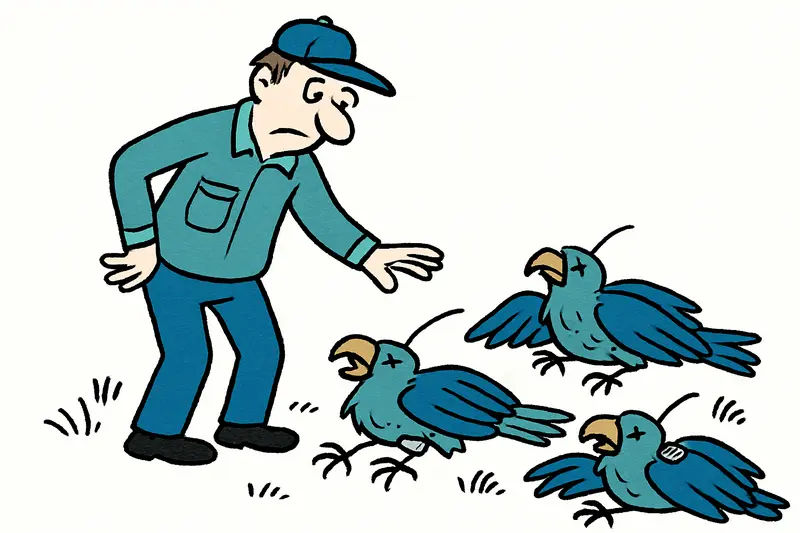
Three poisoned red kites on Mallorca: investigations and open questions
Three red kites fitted with GPS transmitters were found dead in fields near Palma and Santanyí. The cases raise questions about illegal poison baits, controls and the protection of threatened birds of prey.
Three red kites dead – radio signals, olive groves and an investigation thriller
When the telemetry suddenly fell silent, a search for clues began among almond trees and dry-stone walls. In two territories near Palma and Santanyí, environmental agency staff found three dead red kites in recent months, all fitted with GPS transmitters, as reported in Poisoned Baits on Mallorca: Three Red Kites Dead — Investigations Ongoing. The devices registered no movement overnight – in the morning the birds lay dead in field margins and olive groves, surrounded by the chorus of cicadas and the distant tolling of a village church bell.
The key question: accident or deliberate poisoning?
Authorities assume that an accident is unlikely. During inspections investigators found indications of poisoned baits having been laid. A spokesperson for the island administration said: "We assume that poison was used deliberately." The cases have been reported to the public prosecutor and criminal investigations are underway, as covered in Tres milanos reales envenenados en Mallorca: investigaciones y preguntas abiertas. Yet the central question remains: are these isolated incidents or a symptom of a deeper problem – lack of controls, land-use conflicts or criminal sabotage?
Why this is more than just a bird’s fate
Red kites are more than impressive birds of prey: as scavengers they help clean the landscape and thus perform an ecological service that also protects livestock. If the island loses such species, the fragile balance between scavengers, small mammals and insects changes. Conservationists who have monitored nesting sites for years warn that such losses can have local cascading effects — in the warm wind blowing from the sea, these are not abstract numbers but noticeable changes in fields and countryside.
What is often overlooked
Certain aspects rarely receive attention in public debate: what role does traditional hunting play in the use of baits? How effective are controls on the sale of rodenticides and other poisons? Guidance on the impacts and prevention of bird poisoning can be found in RSPB advice on poisoning of birds of prey. And how quickly do substances permitted in other countries find their way onto Mallorcan fields? Forensic bottlenecks are also an issue: toxicological examinations take time and specialist staff, and carcasses decompose quickly in the heat — delays can destroy evidence.
Danger to people, pets and agriculture
Authorities rightly warn: poisoned baits are not only a threat to birds but also to dogs, cats and potentially people who use paths and fields. At markets in Santanyí residents and farmers spoke with concern about the findings; some demand increased inspections, others more prevention and education. In small communities anxiety spreads faster than the cicadas' humming on hot days.
Concrete steps needed now
It is not enough to search only for the perpetrator or perpetrators. We need a bundle of measures to restore trust in the landscape and its protection: faster and better-equipped toxicological analyses; a mandatory reporting system for suspicious animals and baits with a clear hotline for farmers, hunters and walkers; controls on the trade of certain poisons and tougher penalties for violations; more telemetry programs so signal losses can be located quicker, as noted in Cebos envenenados en Mallorca: tres milanos muertos — investigaciones en curso; and on-site education – not just sanctions but training for hunting associations and agriculture on alternative pest control methods.
Monitoring, prevention and community
Another point: landscape protection only works together. Volunteer networks could help map hotspots, veterinarians should be better informed about poisoning cases, and local administrations should consider anonymous rewards for useful tips. Much can be done technically – from cameras at known bait sites to GIS-based maps that make find locations visible. Politically, clear rules are needed for the distribution of poisons and a practical guide for dealing with dead animals in hot months.
An appeal to the island community
Investigations are ongoing; the criminal penalties in most cases can reach up to two years in prison and fines. But punishment alone does not address the root causes. On Mallorca, where olive leaves rustle in early summer heat and dogs bark at the village edge, education, prevention and joint action are needed. Anyone who has seen something should report it – not out of curiosity, but out of concern for what we share here: a landscape where scavengers, dogs, farmers and walkers should all have space.
Until the investigations bring clarity, the island community remains vigilant. The constant hum of the cicadas is a reminder: nature goes on – but we must not keep getting in its way.
Frequently asked questions
Why are red kites dying in Mallorca?
Are poisoned baits a danger to dogs and people in Mallorca?
What should I do if I find a dead bird or suspicious bait in Mallorca?
Why does bird poisoning matter for Mallorca’s countryside?
What is happening with the investigation near Palma and Santanyí?
Why are GPS transmitters used on red kites in Mallorca?
What measures could help prevent bird poisoning in Mallorca?
Where in Mallorca were the poisoned red kites found?
Similar News

Rental Car Theft in El Arenal: What This Incident Reveals About Our Gaps
A teenager steals a running rental car in El Arenal, flees on foot, climbs over walls and is caught by the Guardia Civil...

Red Rope in Palma's Library: What Helps Against Selfie Tourism — and What's Missing
Palma's city library cordoned off an area with a red rope to keep selfie tourism away from reading and working activitie...

Fort San Carlos: Museum, Harbor Dispute — and a Conflict That Demands Answers
The military museum at Fort San Carlos sits right on Palma's harbor, with unexpectedly quiet rooms filled with cannons a...
Old Town Under Pressure: When a Doorway Becomes a Sleeping and Shower Place
For months a woman has been living with a parasol, a clothes rack and personal belongings next to the social welfare off...

When Shopping Weighs Heavier: Mallorca Demands a Tax Pause on Food and Fuel
Rising prices are putting pressure on households and agriculture. The Balearic Islands are calling for temporary tax rel...
More to explore
Discover more interesting content

Can Cap de Bou

Townhouse Lleo 72
