
Poisoned Baits on Mallorca: Three Red Kites Dead — Investigations Ongoing
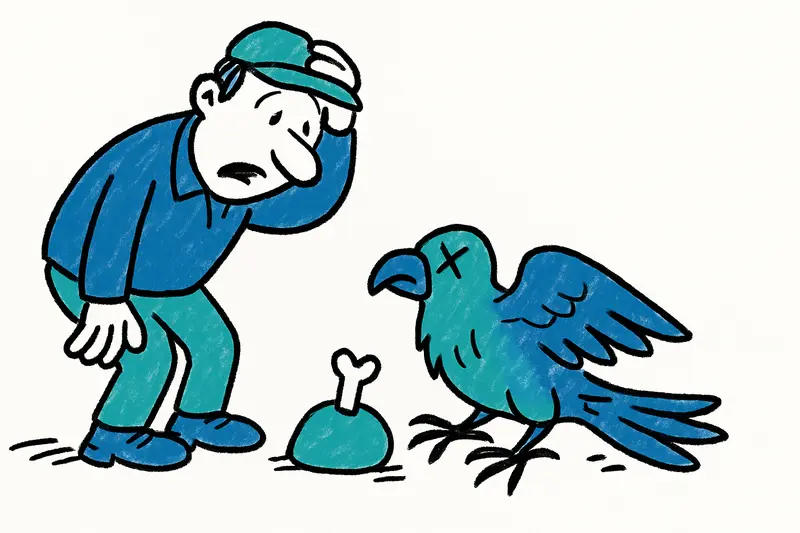
Three red kites were found dead in Santanyí and near Palma. Police suspect poisoned bait. The island community is alarmed — it's not only about birds, but about safety in fields and villages.
Poisoned Baits in Fields: Why the Dead Red Kites Are More Than an Environmental Loss
The morning silence here has in recent days been broken by a small, bitter piece of news: two dead red kites near Santanyí, another on the outskirts of Palma, as reported in Cebos envenenados en Mallorca: tres milanos muertos — investigaciones en curso. The birds carried GPS transmitters; this allowed helpers to quickly locate the discovery sites. Initial indications point to laid poisoned baits. For many neighbors, this doesn't feel like an abstract statistic, but like an attack on the timidly returning wildlife of the island.
How the Finds Came About
A farmer found the first two birds during an inspection of his field, before the heat of the day set in. The third kite was reported on a field path outside Palma, at about nine in the morning. The small transmitters, once intended as a lifeline, have taken on a different function here: they make such crimes visible. Without them, the carcasses might never have been discovered; this detail was documented in Tres milanos reales envenenados en Mallorca: investigaciones y preguntas abiertas.
Official Response and Legal Consequences
The environmental department has filed a complaint and investigations are underway. Not only ornithologists are alarmed: pet owners and farmers are also being warned. Particularly sensitive is the question of which substances were used. Rodenticides are easily accessible but highly toxic — a danger also to dogs and livestock; for information on rodenticide effects in animals see Rodenticide toxicity in pets. If intent is proven, fines, hunting bans and, in extreme cases, prison sentences may follow. Anna Torres, responsible for environmental affairs, warned: 'Such actions have far-reaching consequences – for wild and domestic animals alike. We must not look away.'
What Often Gets Overlooked
Public debate often leaves out why such acts happen in the first place. Sometimes it is frustration: a farmer who sees his chickens or rabbits disappear; sometimes it is deliberate, to reduce predatory species or to lessen competition during hunts. And then there is the practical gap: the island lacks comprehensive, fast toxicology lab capacity. Analyses take time, evidence can dissipate. Another problem is jurisdiction — who actually monitors field edges or paths between two municipalities? Especially in rural areas, gaps in responsibility often open the doors through which such actions slip.
Ecological Side Effects
The loss of birds of prey affects the ecological balance. Red kites perform important functions as scavengers and predators of small pests. If they disappear, it can lead to population explosions of rodents or an increase in other, less desirable species. In short: a poisoned trap harms more than a single animal. The small imbalance can affect village life for months or even years — more pests, more problems for agricultural operations.
Concrete Steps That Would Help Now
Investigations alone are not enough. Immediate measures should include: increased patrols in known hotspots such as the fields around Santanyí and the paths near Palma; a hotline for reporting finds; and a reward fund for tips that lead to the perpetrators' capture. In the medium term, Mallorca needs faster-accessible laboratory tests and clear rules on responsibilities between municipalities.
Education and advisory services for farmers and hunters should also be expanded. Often it is thoughtless actions — wrong baiting, improper storage of poisons — that increase the risk. Prevention pays off: knowing what alternatives to poison exist protects animals and people alike.
What Neighbors Can Do Now
If you are in the affected areas, watch out for suspicious baits at field edges, along paths or under bushes. Report discoveries immediately to the Policía Local or the conservation authority and do not leave found items lying around; you can also inform Guardia Civil SEPRONA about suspected environmental crimes. Dog owners should keep their animals on a leash and prevent them from sniffing in unclear areas. If poisoning is suspected, a veterinarian is the first point of contact.
An Appeal to the Island Community
This is not just about three dead birds, but about the sense of safety in our daily lives: on the way to school, during a morning run along the field path, or walking the dog. Anyone with information can report it anonymously. The silent birdlife needs its advocates — and we all live better when fields and villages are safe.
Frequently asked questions
Why are poisoned baits in Mallorca a serious problem, not just for wildlife?
What should I do if I find a suspicious bait in Mallorca?
Are dogs in Mallorca at risk from poisoned baits in the countryside?
Why do red kites matter so much in Mallorca?
Where were the dead red kites found in Mallorca?
What happens if someone is caught using poisoned baits in Mallorca?
Why are poisoned baits hard to investigate in rural Mallorca?
What can residents near Santanyí or Palma do to help prevent more poisonings?
Similar News
Magaluf: Watchtower Alarm – Lifeguards Pull Unconscious Beachgoer from the Water
After a drama in the late afternoon, two lifeguards at Magaluf beach rescued an unconscious 44-year-old man. He was stab...

Turquoise in the City: How dangerous is the color play of the Sa Riera?
The Sa Riera in Palma suddenly turned turquoise — a pretty motif, but behind the effect lies a discharge of saline waste...

Jeckliner at Sunnesching: Cologne spirit sets sail from Palma
In September 2027 the Mein Schiff 2 briefly becomes a floating carnival stage: four days with Cologne bands, comedy and ...
Finally Home: Mike and Leyla Heiter Buy Villa with Sea View in Mallorca
The reality TV couple Mike and Leyla Heiter have bought a house in Mallorca with a roof terrace and sea view. An Instagr...
Arrest after series in Palma: Who protects apartments from repeat offenders?
The National Police arrested a man in Palma who investigators say may have broken into several apartments. In one incide...
More to explore
Discover more interesting content

Can Cap de Bou

Townhouse Lleo 72
