
New Scam: Seniors Robbed of Jewelry After 'Massages' — What to Do Now
New Scam: Seniors Robbed of Jewelry After 'Massages' — What to Do Now
In Consell, Sineu and Lloseta, elderly women are said to have been robbed after being offered massages. The Guardia Civil is investigating a 29-year-old woman.
New Scam: Seniors Robbed of Jewelry After 'Massages' — What to Do Now
How could older people on Mallorca become the target of a deliberate distraction?
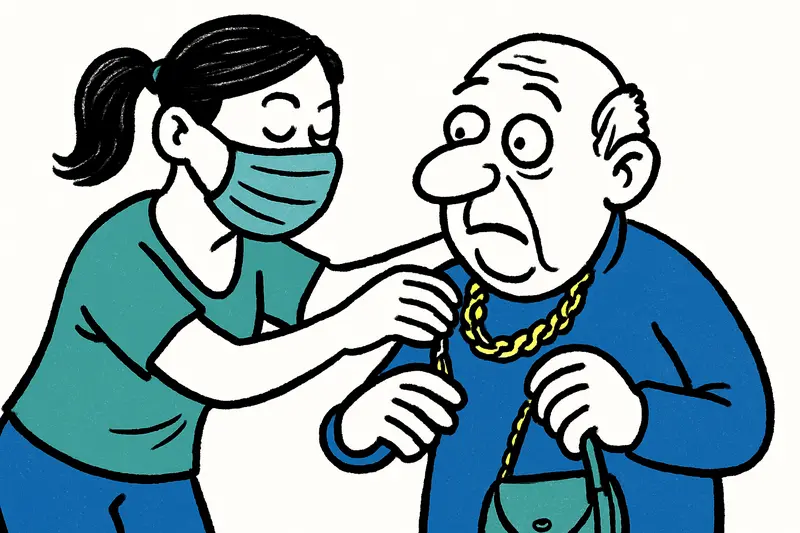
The Guardia Civil is investigating a 29-year-old woman who is accused of stealing gold jewelry from older people in six cases after a staged massage, a pattern also discussed in Hidden Offers in Mallorca's Massage Salons: Between Legality and Coercion. The incidents are said to have occurred in the municipalities of Consell, Sineu and Lloseta between September and November 2025 and in February 2026. According to investigators, the accused used everyday closeness — she partially covered her face with a surgical mask, presented herself as an acquaintance from the area or as a caregiver, a tactic similar to incidents involving When the Doorbell Becomes a Risk: How Palma Should Better Protect Seniors from Fake Technicians, and applied creams or oils to wrists and neck to hold the victims' attention.
This is not an abstract crime pattern but a method: physical closeness, a familiar tone, and a moment of inattention are enough for a bracelet or necklace to disappear. That the woman is reportedly already convicted of similar offences makes the case even more serious — this is not just isolated incidents but a recurring modus operandi, as seen in other local cases such as Palma: Young man detained over series of necklace robberies — what does this say about our city?.
Critical analysis: Why do such schemes work? Many older residents are out alone during the day, shopping at the weekly market or sitting briefly in a café on the plaza. They respond to friendly approaches, especially when the person claims to be someone from the neighbourhood or offers medical help. The mask lowers the recognition barrier, and the lotion or oil trick creates the perfect distraction. On the other hand, there is often a lack of awareness that simple gestures — a handshake, the application of a cream — provide enough time to remove jewelry.
What is usually missing in public debate: There is a lot of talk about general safety, but rarely concrete and local information: Which meeting places are particularly affected? Which times of day? What language do the perpetrators use, which vehicles are often involved? Also scarcely discussed is the recidivism rate among offenders and how the justice and social systems handle it. There is a lack of a binding information campaign in the villages, no clearly visible notices in medical practices, pharmacies or town halls, and neighbours too rarely speak openly with one another.
An everyday scene from Sineu: It is Thursday morning, the market is half empty, the church bells strike the hour. An older woman with a shopping bag stops at the vegetable stalls. Someone approaches kindly, speaks in a calm tone, briefly pulls the mask up halfway and offers a short massage — the hustle and bustle of everyday life falls away, for a moment there is familiarity. When the bracelet is missing afterwards, the bewilderment is great: you feel betrayed by your own good faith.
Concrete solutions:
- Distribute local information leaflets in simple language (town hall, health centres, pharmacies, bakeries). These should describe typical methods and name concrete rules of behaviour: keep a distance, seek accompaniment, never remove jewellery on the spot.
- Strengthen neighbourhood networks: In smaller towns, telephone chains or WhatsApp groups work well to quickly raise the alarm about incidents. A quick check-in after visiting the market takes little time and can prevent trouble.
- Training for staff in pharmacies, municipal offices and social services: These employees are often the first point of contact for older people and can raise awareness.
- Visible presence of the Guardia Civil and preventive information stands on market days, combined with clear information on how to file reports and where victims can seek help.
- Advise relatives and caregivers to leave valuables at home or store them more inconspicuously. At the same time: no blaming victims — they were deliberately manipulated.
What helps in the short term: Distrust is not a good long-term companion, but a healthy measure of caution is advisable. Anyone who feels unsure should refuse loudly and clearly, move to a different spot or ask other people for help. If an incident occurs, report it immediately — forensic evidence and witness interviews are still possible then.
Conclusion: The scheme works because it exploits basic human virtues: helpfulness, trust, the willingness to act neighbourly. We must not panic, but we must learn to be cautious in small ways; responsibility does not lie solely with older people but with the whole community — from neighbours to local service providers and the authorities. Short-term prevention, clear local information and better communication about real incidents would make the island a bit safer.
If you notice something: note the time and place, describe the person and report the incident to the Guardia Civil. And talk to your older relatives about it — often a short conversation is enough to raise awareness.
Frequently asked questions
How does the jewelry theft scam against seniors in Mallorca work?
What should older people in Mallorca do if a stranger offers a massage or cream?
Which towns in Mallorca have been linked to this jewelry theft case?
Why are market days in Mallorca a risk for distraction theft?
What are the warning signs of a distraction theft in Mallorca?
Who should Mallorca residents contact after a suspected jewelry theft?
How can families help protect older relatives in Mallorca from this scam?
What can local businesses in Mallorca do to prevent these thefts?
Similar News

Carriages Without Horses: Palma Plans E-Carriages – a Reality Check
Palma plans to switch to electric carriages in 2027. The prototype was shown near the cathedral. What is the technology ...

Record season, empty coffers: Who really benefits from the tourism boom?
Full hotels and more flights: the numbers sound impressive — yet many locals feel no benefit. A reality check with an ev...
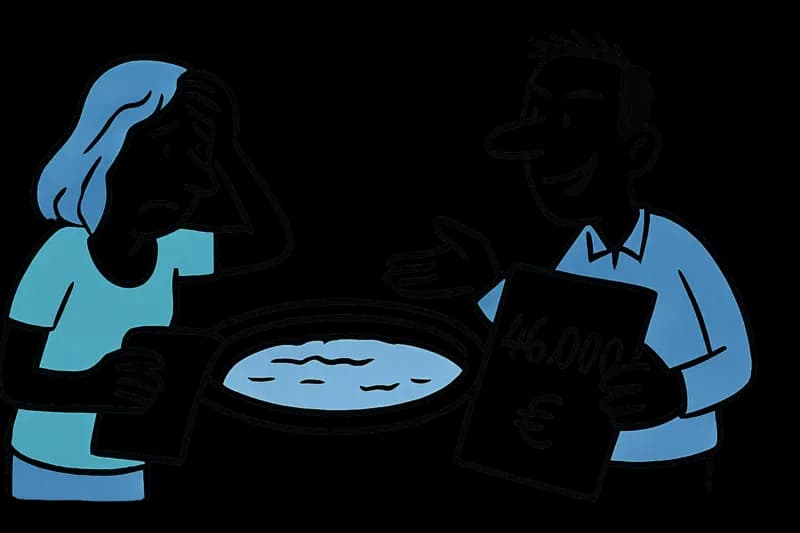
Pool ordered for €46,000 – €23,000 paid, no work carried out: A fraud case in Palma
A homeowner in Palma transferred €23,000 for the construction of a pool. Weeks later it emerged that no building applica...

Summer greetings from the Pitiusas island: Gottschalk and Krüger enjoy the sun on Ibiza
A friendly photo of Thomas Gottschalk and Mike Krüger on Ibiza evokes memories of their shared film years and shows that...
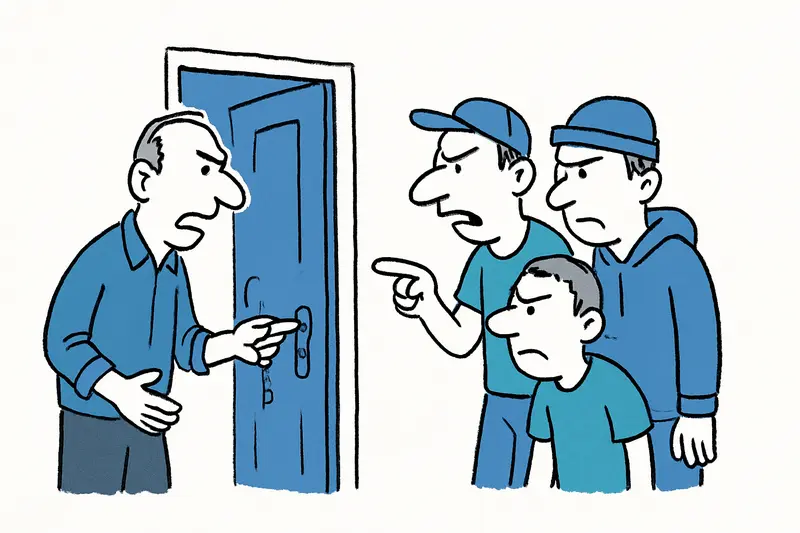
Occupied in a Few Days: When Property in Mallorca Turns into a Dispute
Six young men were arrested in Palma after homeowners returned and could no longer open their own door. A case that rais...
More to explore
Discover more interesting content

Can Cap de Bou

Townhouse Lleo 72
