
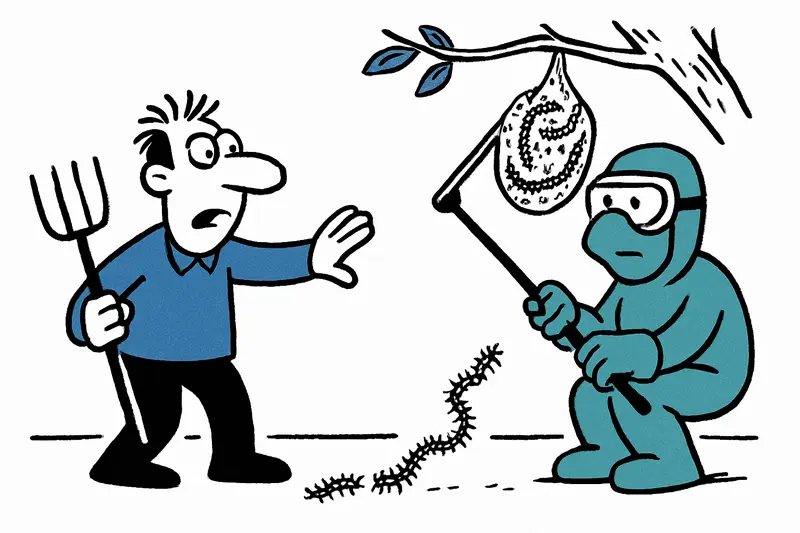
Dangerous stinging hairs: Calvià steps up fight against pine processionary moth
Dangerous stinging hairs: Calvià steps up fight against pine processionary moth
The municipality of Calvià now targets caterpillar nests in hard-to-reach canopy areas. Why the operation is necessary, what is still missing and how you can protect people and animals.
Dangerous stinging hairs: Calvià steps up fight against pine processionary moth
Key question: Are the current steps taken by the municipality of Calvià sufficient to protect people and pets in the long term from the toxic stinging hairs of the pine processionary moth?
In Calvià municipal teams are currently on the move to selectively remove the webs of the pine processionary moth — including in treetops and on slopes that were previously hard to reach. The action complements an existing annual plan that later in the summer intends to deploy pheromone traps against the male moths. Similar municipal action has been recorded elsewhere, as when Llucmajor expanded operations against the oak processionary moth. It is important that the municipality is reacting. At the same time, it is worth taking a close look at what the measures can achieve and where gaps remain.
Critical analysis
Removing nests has an immediate effect: it reduces the number of free caterpillars in a given area. However, it is problematic that the stinging hairs can already be dispersed locally — not only on the nests but also as fine dust in the surroundings. When teams work in treetops, there is a risk that hairs will be spread by the wind. Pure nest removal without a coordinated safety concept for response teams, residents and dog owners therefore falls short. The seasonal strategy with pheromone traps from June to October is also mainly aimed at adult males and reduces the reproduction rate only in the medium to long term.
Another point: climate change and isolated pine monocultures favor spread. Without forestry adaptations the island remains vulnerable to new population outbreaks. Finally, there is often a lack of clear, locally differentiated information for walkers, school classes and dog owners; lack of knowledge increases the risk of accidents.
What is missing in the public debate
Acute measures are discussed, rarely prevention: this includes targeted mixing of tree species, wildlife management and regular monitoring of small populations before they become a plague. Similar alerts elsewhere have occurred, for example the first Oriental hornet nest found in Esporles. Also little visible are standards for protective clothing and barriers during nest removal as well as clear guidance on how homeowners can check whether their pines are affected. A digital map with reporting options for new nests would be useful in many municipalities — and is still missing.
An everyday scene from Calvià
Imagine a typical morning on the path between Santa Ponsa and the small coastal trail: an elderly woman with a shopping bag, two schoolchildren with backpacks and a dog sniffing at the leash. The scent of pine is in the air. At first glance no one notices the thin webs high up in the branches. Later in the day the woman strokes her dog, which brushed against a bush on the return walk. Scenes like this show how quickly contact can occur — and how important practical notices at parking areas and popular walking routes are.
Concrete approaches
1) Safety concept for response teams and residents: protective clothing, covering measures when removing nests, cordoned-off zones and a plan for the disposal of contaminated materials. 2) Preventive forest care: plan mixed species when replanting, remove dead branches and carry out crown care in known hotspots. 3) Complement biological control: local trials with biological agents such as Bacillus thuringiensis have already been tested on the island; area-based operations should be professionally supervised. 4) Early detection and reporting system: a simple web or WhatsApp reporting point plus a map where citizens can mark nests would supply ammunition for targeted operations. 5) Pursue proactive education: signs at trailhead car parks (e.g. Peguera, Santa Ponsa), information in school programs and veterinary practices, clear rules of conduct for dog owners. 6) Subsidised traps: the municipality's offer of pheromone traps for private use is sensible; it should, however, be accompanied by advice on how and where to hang the traps effectively.
Practical rules for citizens and pet owners
Do not touch nests. Wash infested clothing immediately at 60 °C. After suspected contact, shower and do not rub your eyes. Seek medical help for breathing difficulties, severe skin irritation or if a pet's mouth is swollen. Dog owners: check muzzle and paws after walks, use warm water for visible irritation and wear gloves until a veterinarian can be consulted.
Conclusion — in brief
The actions in Calvià are sensible, but they remain piecemeal unless prevention, forest care and transparent information are advanced at the same time. In the short term removing nests reduces risks. In the long term the island will only become less vulnerable if local forest structures are reconsidered, citizens are involved and operations are better coordinated. A look at the pines along the roadside is often enough to realise: nature is reacting to our climate and our management. If we take the problem seriously, the administration's actions should not only react but steer — with clear rules, visible signs and a reporting platform every walker can use.
Frequently asked questions
How dangerous is the pine processionary moth in Mallorca?
What should I do if my dog comes into contact with pine processionary hairs in Mallorca?
When is pine processionary moth season in Mallorca?
Is it safe to walk in pine forests in Mallorca during processionary moth season?
What does Calvià do to control the pine processionary moth?
Can pine processionary moth hairs spread even if the nest has been removed in Mallorca?
What should homeowners in Mallorca look for on pine trees?
What should I do after possible contact with pine processionary hairs in Mallorca?
Similar News

Carriages Without Horses: Palma Plans E-Carriages – a Reality Check
Palma plans to switch to electric carriages in 2027. The prototype was shown near the cathedral. What is the technology ...

Record season, empty coffers: Who really benefits from the tourism boom?
Full hotels and more flights: the numbers sound impressive — yet many locals feel no benefit. A reality check with an ev...

Pool ordered for €46,000 – €23,000 paid, no work carried out: A fraud case in Palma
A homeowner in Palma transferred €23,000 for the construction of a pool. Weeks later it emerged that no building applica...
Summer greetings from the Pitiusas island: Gottschalk and Krüger enjoy the sun on Ibiza
A friendly photo of Thomas Gottschalk and Mike Krüger on Ibiza evokes memories of their shared film years and shows that...
Occupied in a Few Days: When Property in Mallorca Turns into a Dispute
Six young men were arrested in Palma after homeowners returned and could no longer open their own door. A case that rais...
More to explore
Discover more interesting content

Can Cap de Bou

Townhouse Lleo 72
