
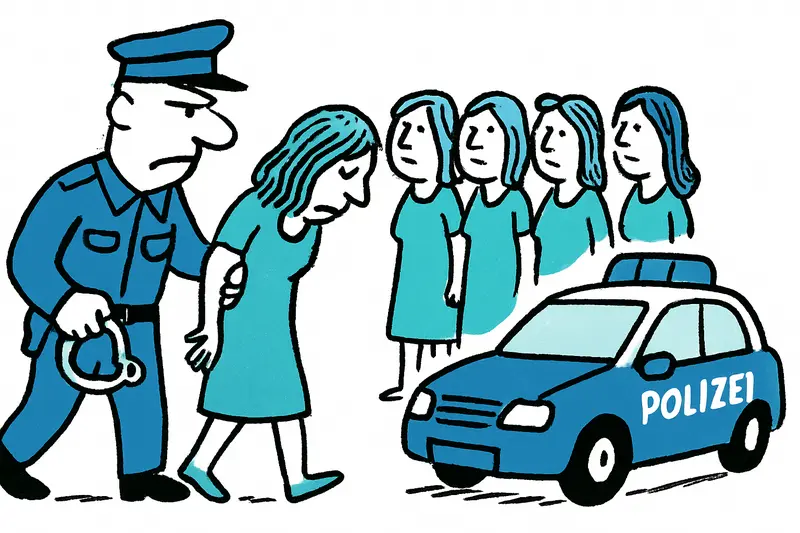
Police operation in Palma: 15 women freed from forced prostitution — what is missing now
Police operation in Palma: 15 women freed from forced prostitution — what is missing now
The National Police freed 15 women from sexual exploitation in Palma. Fourteen suspects were arrested; investigators seized cash, luxury cars, drugs and weapons during raids. A reality check: How resilient are protection networks for victims on Mallorca?
Police operation in Palma: 15 women freed from forced prostitution — what is missing now
On 25 January 2026 the National Police reported a major blow against an alleged human trafficking network in Palma, as covered in Operation 'Chanquete' in Palma: A Clampdown on Trafficking — and What's Still Missing: 15 women were freed from sexual exploitation, 14 people were arrested, and seven are in pretrial detention. During house searches investigators seized around €190,000 in cash, several luxury cars, drugs and weapons. The police say the operation was prompted by anonymous tips; the women are said to have been lured to Spain with false job offers via social networks and then monitored around the clock.
Key question
How well does our island protect people from exploitation — and where do the safety nets fail?
Critical analysis
The figures behind the operation are clear: rescues, arrests, seizures. Far less visible are the gaps through which perpetrators operate. Digital recruitment via the internet plays a key role: profiles, supposed agencies, WhatsApp or messenger contacts — loud and inconspicuous traces between holiday apartments and sidewalks. Control often only occurs when tips are received. Until then, the victims usually exist in an isolated microcosm: strangers' flats, constant surveillance, threats.
An additional layer exists on Mallorca: seasonal labor markets, language barriers, unclear residence status. Newcomers to the island rarely know local counselling centers, do not understand administrative procedures and are afraid to speak to the police — out of fear of reprisals or because of debts they are allegedly forced to pay off.
What is missing from the public debate
The discussion quickly focuses on spectacular raids and arrested perpetrators. What rarely happens is a detailed examination of the victims' everyday life after being freed. Where do they sleep? Who organizes initial medical and psychological care? How long does it take before they have a secure perspective again? Also underrepresented is the question of demand: there is too little discussion about brothel operations, clients and structures that enable exploitation, such as those described in Hidden Offers in Mallorca's Massage Salons: Between Legality and Coercion.
The role of digital platforms is also little seen. Job offers used as bait often disappear quickly. Without consistent tracing of digital traces, investigations lose momentum — evidence is deleted, accounts are changed.
A everyday scene from Palma
Early in the morning on the Paseo Marítimo, when the first ferry has arrived and the garbage trucks are still running, businesspeople sit with coffee, older men feed pigeons, and delivery drivers maneuver between parking bans. Between yacht berths and tourist flows operate the same social networks that perpetrators use. A neighbor from the old town quietly tells in a café that she once saw a young woman who only ever crossed the street shortly before sunrise — at a time when normally only taxi drivers are around. Such small observations are often missing from investigation files but are valuable for prevention.
Concrete solutions
- Expand anonymous reporting channels: an easily accessible, multilingual hotline with curated forwarding to police and social services could process tips faster.
- Strengthen control of digital recruitment: cooperation between investigators and platform operators, automated checks of suspicious job ads and reporting obligations for intermediaries.
- Mobile social teams: street workers with interpreters who target neighborhoods and commercial areas to reach affected people.
- Shelters and transitional care: more places with medical and psychological first aid, legal support and return options for victims.
- Specialized public prosecutors and training for police: more staff experienced in human trafficking, digital forensics and victim protection.
- Use of seized assets: faster procedures to make confiscated funds available for compensation and support services.
What matters now
Arrests are necessary but not sufficient; follow-up actions such as the Money-laundering raid in Palma: three more arrests — total rises to 52 show how investigations can expand and must be paired with sustained victim support. Victims need measured support: legal procedures, safe accommodation, medical care and a perspective so they do not fall back into the hands of exploiters. On the island, neighborhood help is also crucial: community cafés, market stalls and church gates are often first points of contact. Authorities must integrate these local structures.
Concise conclusion
The National Police operation is a significant blow to a criminal network — and a reminder: the island must repair its protection chains. It is not only about police and justice, but about prevention, digital oversight, social services and a culture that can see and help. If we take this seriously, there will be less suffering and Mallorca can remain a place where not only tourists but also vulnerable people find protection.
Frequently asked questions
What happened in the police operation in Palma?
How do traffickers recruit victims in Mallorca?
What should I do if I see signs of exploitation in Mallorca?
Where can victims of trafficking get help in Mallorca?
Why are anonymous tips so important in trafficking cases in Palma?
What happens to victims after they are freed from exploitation in Mallorca?
Are fake job offers a common risk for newcomers in Mallorca?
What broader changes does Mallorca need to fight human trafficking better?
Similar News
Injured captain, big plans: Germania Mallorca before the away match in Consell
The newly founded FC Germania Mallorca travels to Consell on Saturday. Captain Bastian Müller is out injured, but coach ...
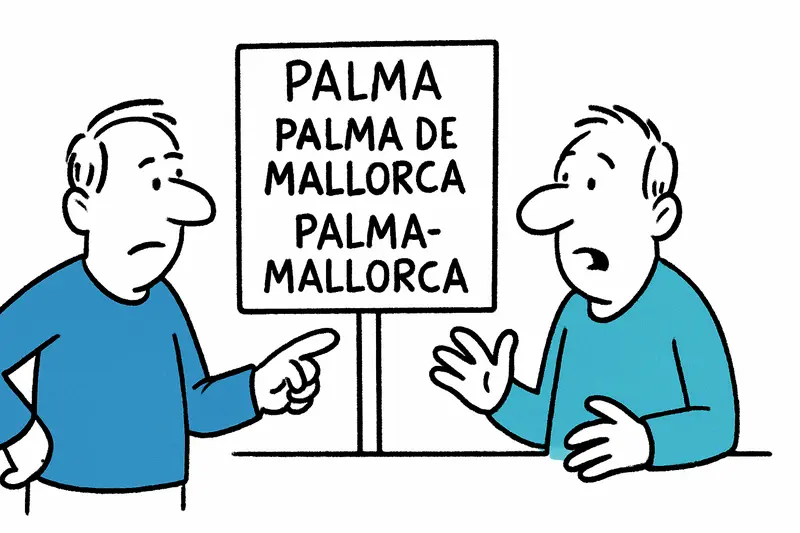
Palma, Palma de Mallorca, Palma‑Mallorca: What is it really about?
The debate over the city's name is more than grammar: it concerns identity, law and branding policy. A sober reality che...
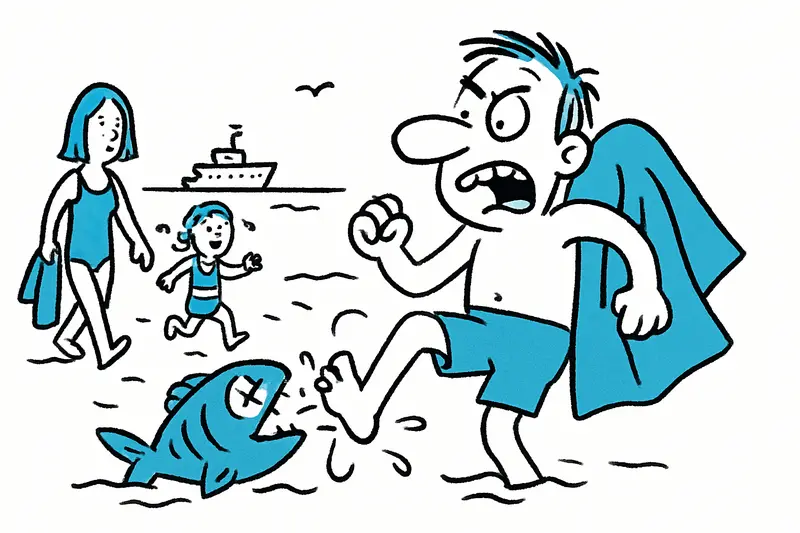
Warning to Bathers: Nipping Fish in Cala Major and Other Coves — a Reality Check
In Cala Major and several beaches around Mallorca, bathers report painful “nips”. Who are the animals, why are they gett...
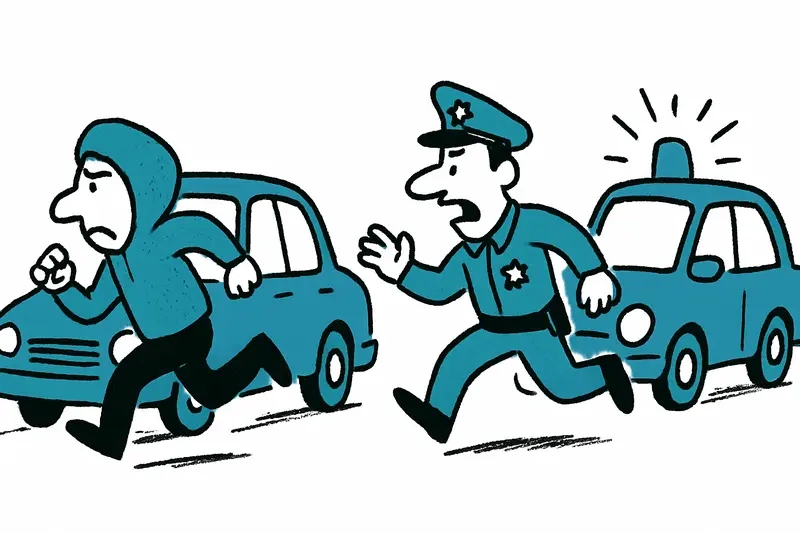
Rental Car Theft in El Arenal: What This Incident Reveals About Our Gaps
A teenager steals a running rental car in El Arenal, flees on foot, climbs over walls and is caught by the Guardia Civil...
Red Rope in Palma's Library: What Helps Against Selfie Tourism — and What's Missing
Palma's city library cordoned off an area with a red rope to keep selfie tourism away from reading and working activitie...
More to explore
Discover more interesting content

Can Cap de Bou

Townhouse Lleo 72
