
When the Rows Stay Empty: The Potato Crisis in Sa Pobla
More than 500 winter potato fields around Sa Pobla remained unplanted. Why farmers are giving up, what effects the village feels — and which short- and long-term steps could help.
When the tractor suddenly falls silent
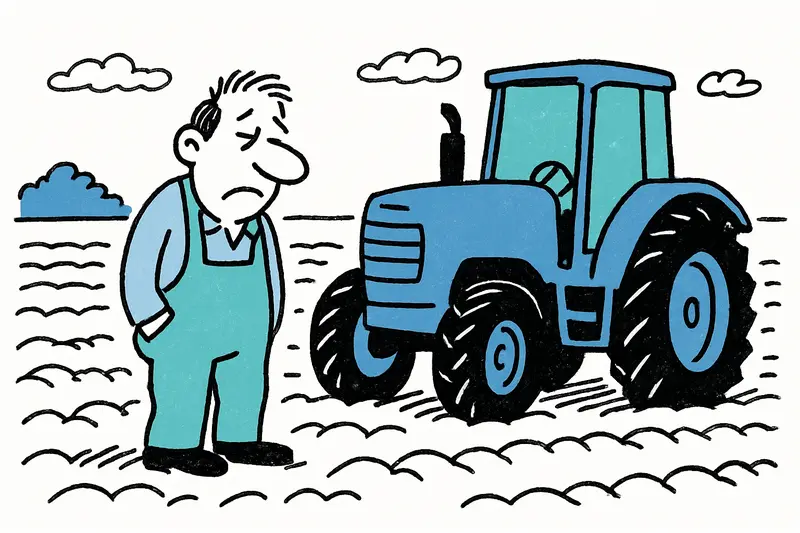
Early in the morning on the Camí de Muro a mist still hangs over the fords, the air smells of wet earth and of what for decades seemed obvious here: potato fields. But in many places only abandoned tractors remain, engines cold, seats darkened by rain. This season around Sa Pobla more than 500 winter potato fields were left unplanted, as reported in Cuando las hileras quedan vacías: La crisis de la patata en Sa Pobla. For residents this is more than an agricultural problem — it is the disappearance of a daily soundscape, the humming of machines, the clatter of crates at the market in the Plaça Major.
The question hanging over everything
Why is planting no longer worthwhile? In short: because costs, risks and market prices no longer add up. Pests like the Colorado potato beetle and, more recently, soil diseases are spreading despite treatment. Fertilizers and energy have become more expensive, and additional rules from Brussels, particularly changes under the EU Common Agricultural Policy, increase bureaucracy and investment costs in the short term. A small farmer on the edge of town puts it bluntly: 'I did the math. Seed, diesel, labor — if in the end I get less out than I put in, it doesn't make sense.'
More than just an economic problem
Empty fields affect more than the farms themselves. Truck drivers, warehouse workers and packers lose contracts. Seasonal helpers find less work. The risk that old varieties will disappear is real: seed that has been tended for generations is planted less often and disappears from practical know-how. The landscape changes — fewer rows, more fallow land, fewer birds among the plants. Anyone driving along the road in the morning notices the silence, which suddenly seems louder than any machine.
Aspects that are rarely discussed
It's not only about prices and pests. Supply chains are fragile: imports from abroad push down local prices, and local processors often do not offer binding purchase guarantees. Young people see no future in businesses that have to recalculate every season. Added to this is an underestimated problem: the accumulation of short-term crisis costs — individual aids fail to reach many farmers because the applications are too complicated or come too late.
What the farmers demand
The demands from Sa Pobla are concrete: fair minimum prices, immediate aid against acute infestation problems, and practical support for implementing EU requirements. At the meeting in the community center it became clear that many do not want permanent handouts, but reliable conditions: binding purchase agreements with processors, rapid damage assessments and a regional crisis management for plant protection.
Concrete proposals — short and medium term
In the short term, direct price supports for the next harvest, financed pest-control teams at the island level and simplified emergency funds would help so that farms do not have to wait until the end of the season to calculate. In the medium term, cooperative models would be useful: shared storage, marketing under a regional brand like "Sa Pobla Potato" and standardized purchase contracts with processors. Insurance products against yield losses could also reduce risk.
Setting the course for the long term
In the long run, Mallorca needs an agricultural policy that combines environmental protection, biodiversity and economic viability: investments in resistant varieties, promotion of integrated pest management, training for young farmers and financial incentives for crop rotation instead of monocultures. A closer link between tourism and agriculture — for example farm visits, direct sales at island markets or culinary partnerships with hotels — could bring additional value.
Why Palma and Brussels should listen now
Sa Pobla is not an isolated case. If the potato disappears on an island where farmland is limited and the local market small, it's an alarm signal for the whole Balearic strategy. Quick decisions are needed, but also bold structural reforms: fewer bureaucratic hurdles for emergency aid, combinable support instruments and clear competition rules against cheap imports that destroy local production.
Conclusion: The empty rows in Sa Pobla are a warning sign. It's about income, heritage varieties and the sound of the village. A mix of short-term aid, cooperative solutions and long-term investments could soften the crisis. If Palma and Brussels do not act now, in the end the potato culture here may remain only as a memory — told between espresso and ensaïmada in the Plaça Major.
Frequently asked questions
Why are so many potato fields in Sa Pobla left unplanted?
Is it still possible to buy local potatoes from Mallorca this season?
What is making potato farming in Mallorca more difficult right now?
How does the potato crisis in Sa Pobla affect the local community?
What are farmers in Sa Pobla asking for?
Can a local brand help Sa Pobla potatoes recover in Mallorca?
What long-term changes could help agriculture in Mallorca?
Why should Palma and Brussels pay attention to the Sa Pobla potato crisis?
Similar News

When a Taxi Fare Dispute Turns Violent: What the Magaluf Case Reveals About Safety and Prevention
In Magaluf a 2023 dispute over a taxi fare escalated: an 18‑year‑old British man is accused of seriously injuring a taxi...
Bloody clash in Canòdrom Park: What is missing in addressing violence on Mallorca's streets?
At midday on October 23, an 18-year-old man was critically injured in Canòdrom Park in Palma. The attack raises question...

Palma raises bus fares: Who pays the bill for public transport?
Single tickets rise from €2 to €3, airport trips have a reference price of €4.50. It remains unclear whether residents w...

Palma's New Indoor Pool: Sea View, Sunbeds and Space for Everyone
At Aigua Dolça, near the Paseo Marítimo, Palma has a new municipal indoor pool. For a small fee people can now train, re...
How Four Burglars Emptied Ten Houses with a Simple Trick — and What It Means for Mallorca
Four men used the impressioning technique, posed as delivery workers and accepted two years in prison. A reality check f...
More to explore
Discover more interesting content

Can Cap de Bou

Townhouse Lleo 72
