

Poverty in Palma: Why the Food Queues in Front of Churches Are Growing
Poverty in Palma: Why the Food Queues in Front of Churches Are Growing
In front of the food distribution on Calle Comte de Barcelona, increasingly long queues are forming. Who stands there in the cold, and why is the help not enough?
Poverty in Palma: Why the Food Queues in Front of Churches Are Growing
Key question: How did it happen that in the middle of Palma's business district people have to wait in long lines for free food, and what is missing so that this hardship does not become a long-term crisis?
A Morning Scene in the City
It's still cool on Calle Comte de Barcelona. From Passeig Mallorca comes the smell of freshly brewed coffee, and distant traffic murmurs. In front of the entrance to the Evangelical congregation people stand with bags, shopping trolleys and prams. Older men in caps, young mothers, people who smoke quietly or look at their phones. They speak softly, some force a laugh. The distribution begins, volunteers sort packages, some are prioritized for seniors and people with mobility impairments. The mood is muted but organized. This scene has been repeating more often in recent weeks. This pattern is highlighted in When Work Isn't Enough.
Critical Analysis
The queues are not a whimsical winter phenomenon. After the high season the demand for labor in tourism shrinks, rents remain high, and real wages are not enough. Anyone looking for an apartment in Palma near Jaume III or Passeig Mallorca feels it. People in precarious jobs, single parents and pensioners without adequate retirement income are particularly vulnerable. The result: those in need increasingly turn to church and charitable distributions because state services are often difficult to access or available only for a limited time.
Organizations operate with scarce resources and volunteers. Capacities are reaching their limits: storage space, refrigeration, logistics and funding are bottlenecks. At the same time the clientele is more diverse — it's not only locals but also migrants who fill the long queues. The broader rise in street homelessness is examined in Mallorca's Streets Are Growing Longer.
What Is Missing from the Public Debate
Little is said about the structural causes: the combination of housing costs, seasonal work and the lack of transitional support. Bureaucratic hurdles for people seeking help — complicated application procedures, limited opening hours and language barriers — rarely appear in mainstream debates. Another blind spot is the condition of vacant apartments and unused municipal spaces that could be used for temporary housing or community kitchens.
Concrete Solutions
Short term: expand food distributions in time and space, set up mobile distribution points in neighborhoods with high demand, extend opening hours and simplify access rules. Medium term: municipal food vouchers for families in need, expansion of refrigerated storage for charitable organizations and coordinated goods distribution between churches, food banks and municipal social services. Language support and low-threshold advisory services directly at distribution points could reduce dependency.
Longer term we need solutions to the housing shortage: make greater use of vacant municipal properties as temporary housing, promote social housing specifically, and create programs that offer seasonal workers prospects outside the high season. Closer cooperation between the hotel industry, municipalities and social providers could enable job placement projects and training measures.
Missing Perspectives and Everyday Assistance
What is often overlooked: help must work in everyday life. Those who stand in line in the morning need reliable follow-up support — advice on rent, energy-saving assistance, basic medical care. On the street you often hear the same sentence while waiting: "I don't want to stand in a queue forever." That's not a wish for charity, but for stable participation.
A Simple Local Step
A pragmatic idea: joint weekly markets where surplus goods from traders are directed to charitable projects in exchange for tax incentives. This eases storage pressure and creates a visible, culturally embedded offer. In addition: use local train stations or school buildings temporarily as warming centers and distribution points — so people don't get lost between bureaucracy and aid offers.
Punchy Conclusion
The queues are an alarm signal. They show that aid efforts work — up to a point — but that the system around them is fragile. If Palma doesn't want poverty to become an invisible normality, action is needed: pragmatic, coordinated and with a focus on housing and job security. Otherwise the scene on Calle Comte de Barcelona will be just the beginning of a deeper social divide.
Frequently asked questions
Why are food queues growing in Palma?
Is poverty in Mallorca only a winter problem?
Who is most affected by rising hardship in Palma?
Why are church food banks in Palma under pressure?
What makes it hard to get social help in Palma?
Where are food distributions taking place in Palma?
What solutions are being discussed for poverty in Mallorca?
Can vacant buildings in Palma help with the housing crisis?
Similar News
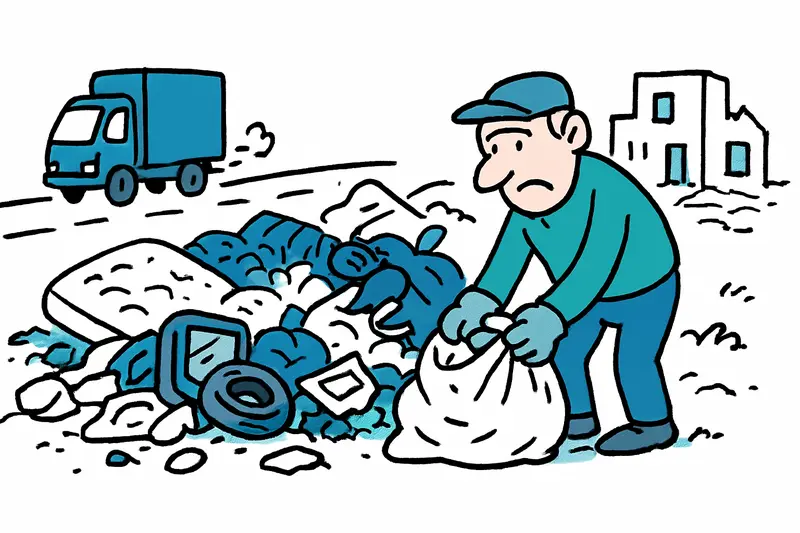
Who will clean up? Illegal rubbish heaps on the highway near Son Gual drive residents onto the streets
For months, construction debris and household waste have piled up along the highway between Palma and Manacor near Son G...

Amundi takes over Bikini Island & Mountain Port in Sóller – many questions remain open
The French asset manager Amundi has acquired the four-star Bikini Island & Mountain Port hotel in Sóller from an Austria...

Silvia was allowed to see the sea once more – a small farewell in Port de Soller
A team from the Balearic health service IB-Salut fulfilled a terminally ill woman's wish: one last trip to the water in ...
Magaluf: Imprisonment for Beach Club Employee after Theft of a Bag — What the Ruling Overlooks
A former dishwasher received a one-year prison sentence for stealing a Louis‑Vuitton bag. The appellate court upheld the...
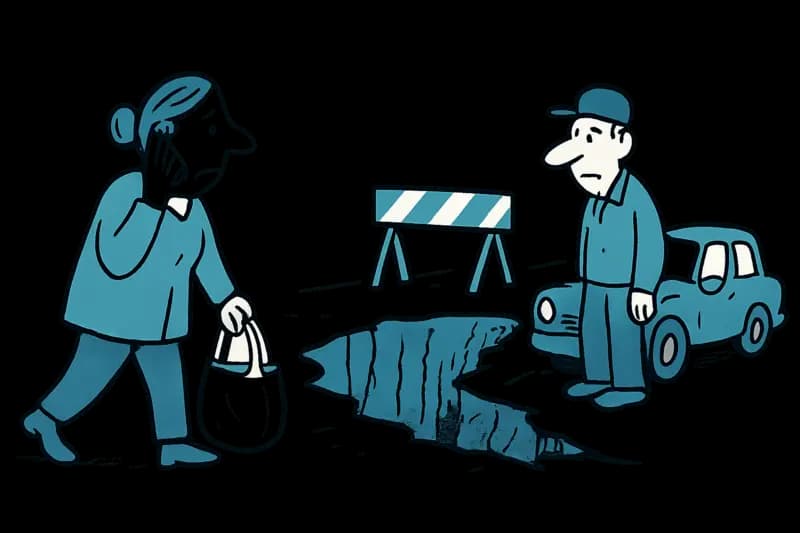
Road collapse at Port de Valldemossa: Who will pay for the next wave of damage?
A section of the MA-1131 near Port de Valldemossa slipped after heavy rains from cold front "Adam". Residents are strand...
More to explore
Discover more interesting content

Can Cap de Bou

Townhouse Lleo 72
