
When Work Isn't Enough: Palma and the Growing Number of Homeless People
More people are sleeping in the middle of Palma – craftsmen, service workers, fathers. The city struggles with shortages in emergency shelters while helpers are alarmed. What quick responses are available, and why are existing tools insufficient?
When work isn't enough: Palma sees more people without a roof – right in the city
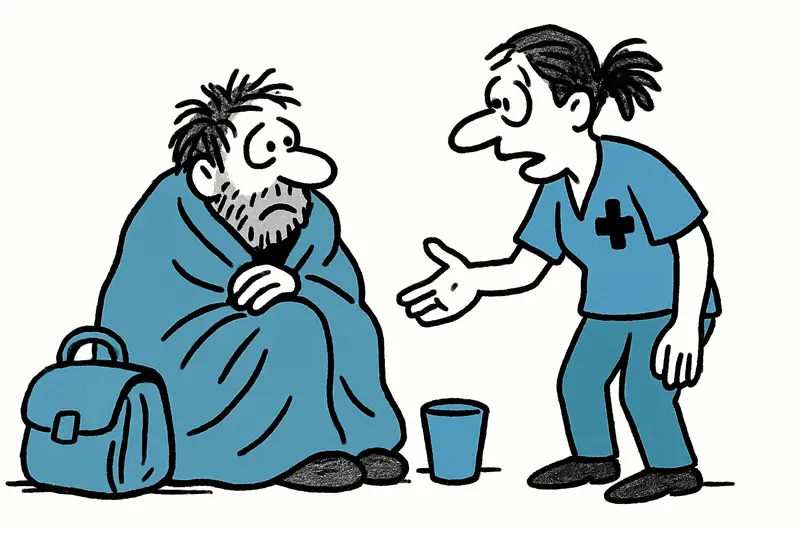
A cold wind whistles across the Plaça del Mercat, seagulls cry above the Paseo Marítimo, and at the corner of La Lonja someone is sitting again with a thin blanket. The atmosphere has become harsher. Volunteer teams from the Spanish Red Cross already report almost 2,000 people assisted this year – more than in an entire previous year, as reported in When work no longer protects against sleeping outdoors: Palma at a social crossroads. The helpers look tired. "New cases appear every day," says María, a volunteer, as she sets a thermos down next to a cup.
Central question: How many people are supposed to work and still end up on the street?
The core problem is not a caricature of homelessness. Many of the people now sleeping on park benches or in makeshift camps in neighborhoods like El Terreno and Portixol are not unemployed. Craftsmen, waiters, cleaners — there are jobs, often with precarious pay and no security. Rents in Palma have risen significantly in recent months. Deposits, agency fees and the search for an affordable flat eat up savings; this trend is explored in Mallorca's Streets Are Growing Longer: Why More Than 800 People Are Homeless and Nothing Solves It by Itself.
A gap in the middle: working homelessness
Public emergency shelters report capacity limits. Mobile teams hand out blankets, hot meals and arrange medical help — they are often the only visible response, similar to reports from Homelessness on Paseo Mallorca: When the Park Bench Becomes the Final Address. But behind these immediate relief measures lies a simple fact: there is no concept for people who are neither completely excluded nor immediately eligible for classic long-term assistance. These "working poor" fall through the cracks of the system.
What is hardly discussed
Less visible are the psychological consequences, the administrative hurdles and the role of vacant tourist apartments. The debate about short-term rentals takes up a lot of public space — rightly so. But equally important is the invisibility of families camping with relatives or workers who work during the day and sleep on country paths at night. Waiting lists for social housing are long; decision-making processes are bureaucratic and slow. And the voices of those affected are often not present in the meetings where solutions are negotiated.
Concrete, actionable proposals — short and medium term
Politicians have already put measures on the table. To prevent them from remaining mere paper, pragmatic prioritization is needed:
- Rapid activation of vacant apartments: A municipal register for vacant flats linked to time-limited mediated tenancy agreements. In the short term, unused holiday apartments and non-used social housing can be used for emergency assistance.
- Emergency rent subsidies and deposit funds: A municipal fund that covers deposits and first months' rent can quickly get working people into their own homes.
- Expansion of day centers with storage space: People need not only a mattress but a safe place to store documents and tools — a prerequisite for keeping a job.
- More resources for mobile teams and health services: Medical and psychological care on-site increases chances of stabilization and prevents problems from escalating.
- Legal and tax incentives: Temporary tax relief for landlords who take in tenants in need, or sanctions for intentionally vacant apartments.
Why it often stalls
Bureaucracy, property rights and short political cycles stand in the way of quick solutions. Landlords fear loss of value or legal uncertainty with limited-term rentals. At the regional level, coordinated funding is missing, and at the municipal level the capacity to scale projects quickly is lacking; European-wide studies like FEANTSA — European Federation of National Organisations Working with the Homeless highlight similar coordination gaps. The result: proposals sit in drawers while people remain on the street.
What neighbors, businesses and tourists can do now
Some things help immediately: warm clothing, non-perishable food, hygiene items. A phone call to an advice center can change a life. Volunteering at local day centers or a voucher for accommodation are concrete help. Small things also matter: a phone number, a few euros for a laundry service, or accompaniment to social services advice.
Conclusion: Palma stands at a threshold. Images of people with luggage in front of historic facades are not a temporary phenomenon. Bold, pragmatic decisions are needed now — not just lip service. Short term: activated vacancies, rent deposit funds and strengthened mobile assistance. Medium term: affordable housing, fewer profiteers from the short-term rental market, and better connected social services. As long as these construction sites remain open, volunteers, neighborhoods and mobile teams will be the first, often only lifeline for people without a roof over their heads.
Frequently asked questions
Why are more people without housing in Palma even though they have jobs?
What kind of help is available for homeless people in Mallorca right now?
How bad is the homelessness situation in Palma?
What can I do to help a homeless person in Palma?
Is homelessness visible in Palma city center and near the Paseo Marítimo?
Why do some homeless people in Palma sleep in places like El Terreno or Portixol?
What solutions are being discussed for homelessness in Mallorca?
What should tourists know about homelessness in Palma?
Similar News
Release after bloody attack in Palma: Why the court's decision raises questions
An 18-year-old who allegedly inflicted a serious neck injury on a man at Plaza Gomila using a wristwatch wrapped around ...
Kidnappings in Inca: Three young men forced into car trunks and abused in the forest – a reality check
In Inca, three 18-year-old men were forced into car trunks by masked assailants at the Plaça des Bestiar, taken to a for...
Spreading Massification: The Brake That Still Has Much Work to Do
Marga Prohens announces limits on volume tourism. The measures sound harsh — but are they enough to save everyday life, ...

Through the Keyhole onto the Party Yacht: How Daniela Katzenberger Is Planning Her 40th on Mallorca
Daniela Katzenberger turns 40 and wants to celebrate it on the island — likely with a boat, cake and her mother. A relax...
By Boat Instead of the Road: Palma's Water Bus — a Reality Check
The 'Bus Nàutic' launches in two stages — but questions remain over interim operations, fares and environmental requirem...
More to explore
Discover more interesting content

Can Cap de Bou

Townhouse Lleo 72
