
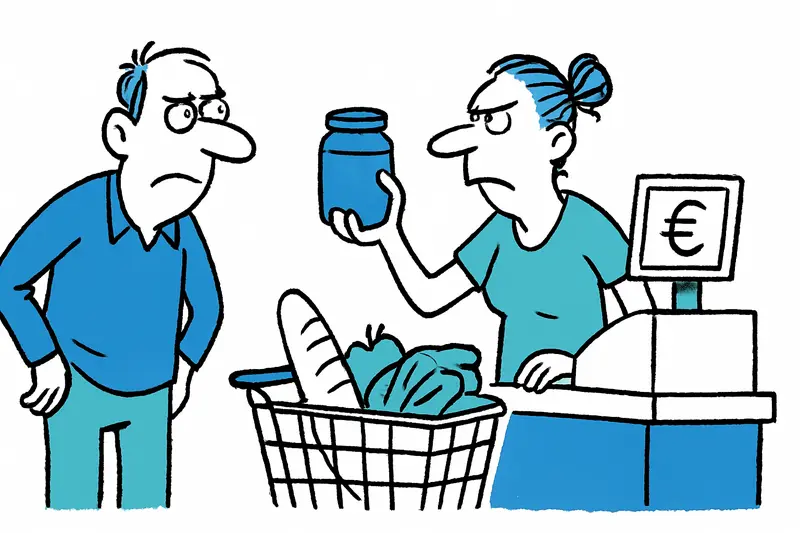
Why Food Is So Much More Expensive in the Balearic Islands — A Reality Check
The Mercasa report shows island residents spend significantly more on food. Who pays and why? A critical look at causes, missing debates and concrete solutions for Mallorca.
Why Food Is So Much More Expensive in the Balearic Islands — A Reality Check
Guiding question: Why do people in Mallorca pay significantly more for food — and what can be done locally?
The annual report by the state wholesale market company Mercasa makes it clear: on the Balearic Islands each person spends an average of €2,052 per year on food — almost 15 percent more than the Spanish average, as detailed in Why Food Is Noticeably More Expensive in Mallorca — and What We Can Do About It.
Critical analysis: Real problems behind the numbers
Being an island is not an excuse by itself, but it is a factor that adds up on many levels. Transport costs and logistics play a role, but not only as a simple freight surcharge: fresh goods require fast, expensive cold chains. Small market sizes mean less purchasing power for local retailers. At the same time, strong tourist demand in the summer months creates volatile prices — retailers layer prices to cover seasonal peaks. For bottled water and beverages, the volume and market power of big brands add to the effect: high margins plus transport add up to a visible price gap.
What is missing from the public debate
Public discussion often talks only about "expensive islands" and rarely systematically about which measures could have structural effects. There is a lack of debate about purchasing consortia for municipalities, cross-border logistics contracts with reduced freight rates for staple foods, and targeted investments in local refrigeration and storage infrastructure, a gap noted in Why the Menú del Día on the Balearic Islands Remains Expensive — what's missing from the conversation?. The role of large retail chains and their pricing strategies also plays too small a role in the local discussion, an issue also discussed in Rising Cost of Living in Mallorca: Who Pays the Price?.
A scene from everyday life in Palma
Early in the morning at the Mercat de l’Olivar: an older woman squeezes lemons, a boy nibbles at a row of ensaimadas, vendors carefully wrap freshly caught fish in paper. The price tags are handwritten, but the calculation at the end of the month remains harsh: for the same shopping the family on the mainland pays noticeably less. Such small scenes show how strongly price differences are felt in everyday life — not as an abstract number, but as a choice between quality and budget.
Concrete solutions for Mallorca
1) Bulk purchasing by municipalities and communities: public tenders can procure staple foods centrally in larger quantities and thus push down prices. 2) Support for local production: investments in greenhouses, irrigation and local fish marketing points reduce dependence on imports. 3) Improved port logistics: subsidized freight windows for perishables, night RoRo services or discounted container slots could lower costs for cold-chain goods. 4) Price transparency: regular price monitoring and public dashboards create pressure on retailers and show where the largest margins lie. 5) Support for small shops: tax relief or subsidies for cold chains and storage space keep local shops alive — this strengthens competition and choices for residents.
Some practical steps anyone can take
Shoppers: support weekly markets, buy seasonally, test tap water with a filter instead of relying on bottled water. Municipalities could organize group orders for schools, nursing homes and canteens. Hospitality businesses: increasingly use local suppliers and form purchasing groups to reduce costs.
Concise conclusion
The higher food bill in the Balearic Islands is not a mystery but the result of island logistics, market structure and tourist demand. There is no single cure-all — but there are a number of practical steps that can have immediate effects. When Palma’s markets bustle again in the morning, it is more than a postcard image: it is the place where politics and everyday life meet. Actions on logistics, cooperation and transparency can bring tangible relief. An island doesn't have to mean a more expensive life just because it is isolated. It needs better organization.
Frequently asked questions
Why is food more expensive in Mallorca than on the mainland?
How much more do people in Mallorca spend on food each year?
Is shopping at Mallorca markets cheaper than buying from supermarkets?
Why are bottled water and drinks so expensive in Mallorca?
What can Mallorca do to reduce food prices for residents?
Does tourism make food more expensive in Mallorca?
Is tap water a practical alternative to bottled water in Mallorca?
What role do local shops and weekly markets play in Mallorca's food prices?
Similar News
When Housing Becomes a Matter of Survival: Mallorca Between Rental Frenzy and Everyday Life
The case of 87-year-old Maricarmen showed that on Mallorca many people's lives are poised between affordable and uninhab...
Autumn in Mallorca: When Melancholy Gets a Window
Why autumn quietly tightens here — and how to make use of the mood: walks, culture, candles and the light from Palma to ...
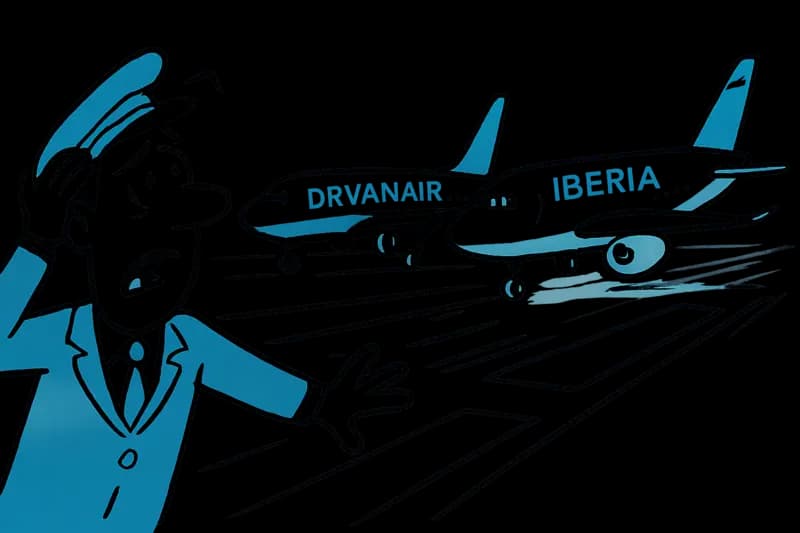
Near-miss on Lanzarote: Landing Ryanair Jet and Iberia Takeoff — what really went wrong
On Lanzarote there was a dangerous incident: A Ryanair flight (FR5910) from Dublin landed on runway 03 while an Iberia E...

Eurowings introduces new Premium Business seats on Mallorca routes
From December 1, selected Eurowings flights to Palma and other destinations will feature eight particularly generous sea...

Car on MA-13 near Inca in flames – a safety check for the island
A vehicle caught fire on the MA-13 towards Alcúdia on Tuesday afternoon. The driver was uninjured, the car was destroyed...
More to explore
Discover more interesting content

Can Cap de Bou

Townhouse Lleo 72
