
Push-ups on the Sea: Why Prone Paddlesurf is Taking Off in Mallorca
Push-ups on the Sea: Why Prone Paddlesurf is Taking Off in Mallorca
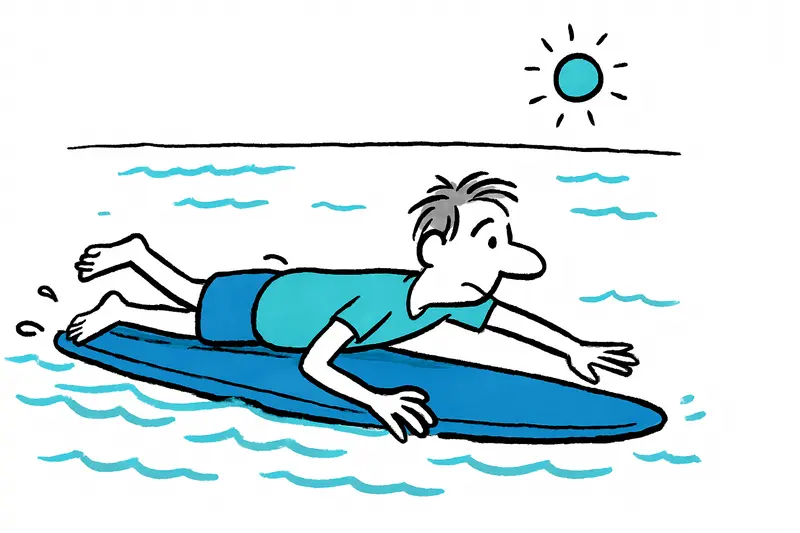
Those who crawl belly-down across the water aren't signaling for an ambulance but curiosity: prone paddlesurf — long, narrow boards, no paddles, only arm power. The scene is growing in Mallorca, from Can Pastilla to Es Trenc. A look at technique, spots, everyday tips and why the island benefits.
Push-ups on the Sea: Why Prone Paddlesurf is Taking Off in Mallorca
In the early morning in Can Pastilla, when fishermen are still shaking off their ropes and the Paseo Marítimo slowly wakes up, you can now see people gliding belly-down across the sea. Not SUP with standing paddlers and long oars, but narrow, long boards and powerful arm strokes — prone paddlesurf has taken hold on the island.
What exactly is it?
Prone paddling means: lying on your stomach, no paddle, propelling yourself forward only with your arms. The boards are narrower and considerably longer than a typical SUP; racing variants start at around 3.65 meters and can be much longer. The result: very efficient gliding, high speed and a tough arm and core workout. Lifeguards have been using similar boards for a long time because you can get through the surf quickly — on sunny days the movements almost look cinematic.
Why it suits Mallorca
The island has shallow bays and long stretches of coast; ideal spots are places like Can Pastilla, Alcúdia, Pollença or Es Trenc. Here beginners find space, advanced paddlers access the open sea. The local watersports scene brings the necessary infrastructure: rental shops, workshops and small coastal stores. A surf shop in Can Pastilla already has models available to order — this is not a hype but a slowly growing niche.
Everyday life, sounds, real island feeling
You can hear seagulls, fishermen's engines in the distance and the occasional slap of hands in the water. On Mallorca, prone paddling feels down-to-earth: retirees with broad shoulders, young surfers after work, tourists looking for a new challenge. Last Sunday I saw three people paddling, laughing and gasping, toward the buoy near the coast — after ten minutes the sun was beating down over the bay, after an hour they had red shoulders and wide grins.
What does it bring sport-wise?
Those who regularly paddle prone train shoulders, back, neck and core endurance — strength and fitness in one. For wave riders it's a targeted endurance workout: you paddle longer and more efficiently, which can make the difference when catching a wave. It's not easy cruising along, but the watersports version of a longer push-up with an endurance component.
Tips for getting started
A few pointers make the start easier: look for calm water and light winds, use a leash and a neoprene top to prevent chafing, start with shorter sessions and build technique slowly — alternating, controlled arm strokes and a stable core are more important than brute strength. If unsure, ask in local shops or schools; several beaches now offer introductory courses.
Safety and consideration
During the busy bathing season: keep distance from swimmers, respect surf zones, watch for buoys and shipping lanes. In bays with bathing activity it's advisable to go for an early morning round when the water is calmer and you don't have to manoeuvre among bathers.
Why the island benefits
Prone paddling enriches the range of watersport offers without using much space. Rental equipment and courses enliven small beach businesses, attract sports tourists outside classic surf spots and strengthen the local community: groups train together, exchange tips, and people meet after the session for a café con leche at the harbor.
Looking ahead
Whether it will become a mass phenomenon is open — but Mallorca offers the right ingredients: sheltered bays for beginners, routes for endurance paddles and existing watersports infrastructure. The next time you see someone belly-down on a board, you can wave instead of calling for help. There's a good chance they're forging a new connection with the island: calm, salty and with sore muscles the next morning.
Practical address: Surf shop on the beach in Can Pastilla — they offer boards to order and there are initial courses.
Frequently asked questions
When is the best time to visit Mallorca for good weather and fewer crowds?
Is Mallorca suitable for swimming and beach days outside peak summer?
What should I pack for a Mallorca trip?
What are the must-do activities in Mallorca?
How can I get around Mallorca without renting a car?
Are there family-friendly beaches in Mallorca?
What are good day trips from Palma or central Mallorca?
What should I know about Mallorca’s weather year-round?
Similar News
Smoking Weed at the Ballermann: Why a Ten-Euro Joint at Playa de Palma Ends in Handcuffs
A street purchase for 10 euros at Playa de Palma led to an arrest. Why a simple joint on holiday can have serious conseq...
When Bouncers Run Amok: Emmy Russ and the Question of Safety at the Ballermann
An incident at the Megapark involving reality TV figure Emmy Russ raises broader questions about the oversight of securi...
Helpfulness at Ballermann: Vacationer from Kiel Receives His Wallet Back
An honest finder from Flensburg and the cooperation of German authorities reunited a lost wallet with its owner at Playa...
Castell d'Alaró: Sale amid expropriation procedure – who decides about the castle?
The Ordinas family is offering their share of Castell d'Alaró for sale at €3.4 million, even though the island council h...
Chaos on Board: Power Outage Delays Ferry – Mallorca Passengers Sweat at 37 °C
Hours-long waiting at the port of Valencia, extremely high night temperatures and insufficient communication: a power ou...
More to explore
Discover more interesting content

Boat Tour with BBQ along Es Trenc Beach

Private transfer from Mallorca Airport (PMI) to Pollensa
