
Rain, Cold, Snow: How Well Is Mallorca Prepared for Rough Christmas Weather?
Rain, Cold, Snow: How Well Is Mallorca Prepared for Rough Christmas Weather?
Aemet warns: two days before Christmas Eve temperatures fall to around 14 °C, the snowline drops to 1,000 m and the probability of rain is 70–100%. A reality check for island residents, tourism and traffic.
Rain, Cold, Snow: How Well Is Mallorca Prepared for Rough Christmas Weather?
A reality check two days before Christmas Eve — Aemet reports temperature drop, rain and snow in the mountains
Question: Can Mallorca's roads, villages and people cope with an abrupt weather change in the Christmas week? T‑Shirt or Sweater? This Is How Mallorca's Weather Will Be at Christmas and New Year's Eve signals that the thermometer will already drop to about 14 °C two days before Christmas Eve, the snowline will sink to around 1,000 meters and the probability of rain is between 70 and 100 percent. Nights in the lowlands are expected to bring only single-digit temperatures. That sounds like less postcard weather and more organisational effort.
Brief analysis: Such forecasts have direct consequences. Wet roads mean slippery squares and fuller drains; heavy rain in a short time can cause local flooding, especially in towns with older sewer networks, as discussed in Storm, Rain, Maybe Snow: How Well Is Mallorca Prepared for the November Low?. In higher elevations, buses climbing uphill and small delivery vans could have trouble if, as warned in Cold snap in Mallorca: Is the island really prepared?, snow makes the hairpins icy. Leisure schedules quickly fill with cancellations: boat trips are called off, Christmas markets may roll down their tarpaulins, and open-air concerts lose their audience.
What is often missing in the public debate: there is a lot of talk about temperatures, but little about concrete consequences and preparations. Who will promptly clear clogged gutters in Portocolom? Are salt and grit stocks on mountain routes replenished? Is there information for seasonal workers in hospitality in several languages so that foreign staff and guests know how to behave? And: how will communication with older or single residents without smartphones be ensured?
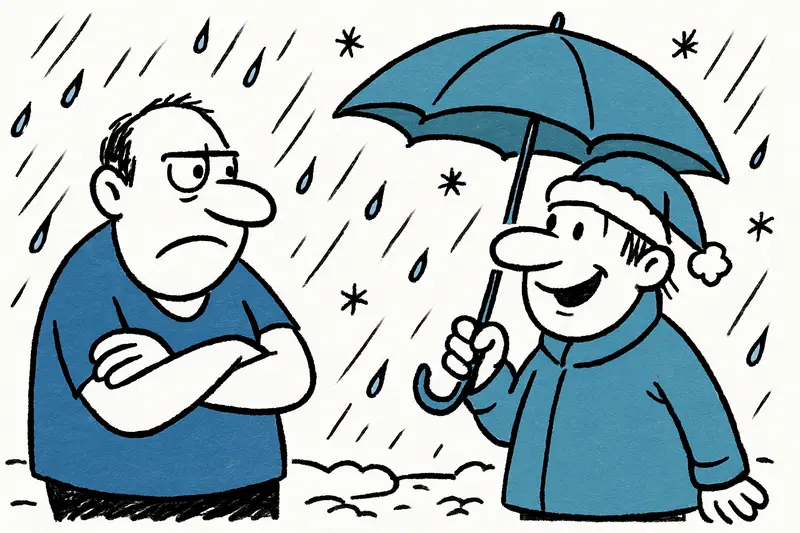
Everyday scene: On Passeig del Born the first umbrellas open, the sound of raindrops on the old tiled roofs mixes with the honk of a small van. At the harbour of Portixol fishermen tighten the tarpaulins, children trudge away disappointed from the damp sandcastles at Punta des Born. These scenes show that weather is not just numbers — it changes how people plan their day.
Concrete suggestions that should be implemented now: Municipalities must urgently check and clear drains at critical points, as advised in North Storm and Cold Front: Are Mallorca's Roads and Trails Ready for the Winter Change?. Road maintenance crews should bring grit and de-icing material to the start of narrow mountain roads. Public transport needs an emergency plan for reduced services in the Tramuntana area; replacement buses and additional staff can be mobilised quickly if authorities inform early. Hotels and event organisers should proactively offer guests protection and rebooking options — clear, multilingual notices online and at reception help prevent panic.
For drivers: garages are a good tip now — free seaside parking will become more sought after when storm and rain test the bodywork. Those heading uphill should drive slowly and keep their distance. Holiday rental owners could proactively provide extra blankets and weatherproof information; it costs little and builds trust with guests.
Agriculture must not be overlooked either. Rain in quick succession can saturate the soil and damage crops, especially in young plantations. Local producers should check whether short-term protective measures such as covers or drainage channels are necessary. The island government could support with small emergency aid or technical advice.
What is missing in many discussions: a simple, reliable information chain for tourists. Many guests are only on the island for a few days and react only when the ferry is cancelled or a market closes. An automated alert service in several languages that local businesses can subscribe to would provide information and confidence — and would be comparatively inexpensive.
Conclusion: The forecast of cooler days, heavy rain and snow above 1,000 metres is not an apocalypse, but a call to practical action. Mallorca is not a postcard island, but an inhabited piece of land with roads, markets and people who should be prepared. Short-term measures — clearing drains, preparing grit, sending multilingual warnings — would help keep disruptions small and make Christmas less wet and trouble-prone. It is up to municipalities, businesses and every individual to take pragmatic steps now so that bad weather does not hijack the plans.
Frequently asked questions
How cold does Mallorca usually get around Christmas when bad weather moves in?
Can it snow in Mallorca during the Christmas period?
Is Mallorca good for swimming if the weather turns wet and cold in December?
What should I pack for Mallorca if rain is expected at Christmas?
Are Mallorca roads safe when it rains heavily in winter?
What happens to Christmas markets and outdoor events in Mallorca when the weather is bad?
Is Portocolom at risk of flooding when Mallorca gets heavy rain?
What kind of weather problems can happen in the Tramuntana during a cold snap in Mallorca?
Similar News
More water than last year: Mallorca's reservoirs breathe easier
September rain refilled the Tramuntana's reserves: overall fill around 35 percent, Cúber at 40.42 percent, Gorg Blau at ...
Three Luxury Hotels in Banyalbufar: Lots of Money, Many Questions
A Danish investor plans three exclusive accommodations in Banyalbufar — including the historic Son Valentí. The announce...
2.1 tonnes of cocaine on sailing yacht off Spain's coast – a reality check for the coastguard
A 14-metre yacht was seized with 2.1 tonnes of cocaine. Who monitors the ports, how does the international hunt succeed ...
Heat Bonus in Mallorca: 100 Euros Extra for Outdoor Staff at MarSenses
MarSenses pays employees who worked outdoors in August an extra €100 as recognition. Lighter uniforms, reduced hours for...
Renovating in Mallorca: What You Really Can Do Without Neighbour Consent
Many think they can do whatever they want in their apartment. That's partly true — but only as long as structural elemen...
More to explore
Discover more interesting content

Can Cap de Bou

Townhouse Lleo 72
