
After rain: Cúber and Gorg Blau fill up – relief after wet holidays
After rain: Cúber and Gorg Blau fill up – relief after wet holidays
Rain and snowy days over Christmas have noticeably raised water levels in Cúber and Gorg Blau. Emaya reports slight relief in Palma's water supply situation.
After rain: Cúber and Gorg Blau fill up – relief after wet holidays
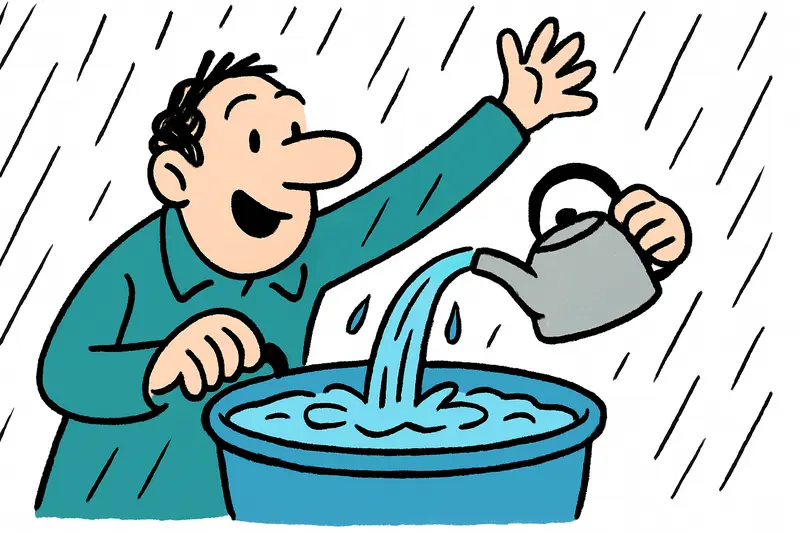
Those who walked through Palma in recent days heard the same sound as on the city's roofs: rain pattering on cobblestones, relentless drops on the Olivar market halls. On the high roads of the Tramuntana, the first snow of this winter crunched under hiking boots. For the island's water supply, these were not background noises but good news.
The municipal utility Emaya has published the latest measurements, as reported in Mallorca: Reservoirs remain conspicuously empty despite rain and snow: overall, the filled proportion of the reservoirs that supply Palma rose last week from 36.43 percent to 39.69 percent – an increase of 3.26 percentage points. A closer look shows different movements at the individual reservoirs.
The artificial Cúber, located on the slopes around Puig Major and the Morro de Cúber, had been noticeably lower a few days earlier. According to the statement, its fill level climbed from 29.17 percent to now 33.03 percent, an increase of 3.86 percentage points. The Gorg Blau, also artificial and on the edge of Puig Major and Puig de Massanella, grew from 41.01 to 43.90 percent – a rise of 2.89 points. Area figures: Cúber covers around 59 hectares, Gorg Blau about 60 hectares. Both reservoirs have supplied water to the capital since 1971, a situation examined in Rain wasn't enough: Why Mallorca's reservoirs remain low.
These are not dramatic jumps, but they are noticeable. Anyone grabbing a morning coffee on the Passeig del Born and hearing the rain in the plane trees senses it: the island has regained a bit of what it often lacks in drier years. Especially the snow at higher elevations – snow depths of up to around 900 meters were reported in parts of the Tramuntana – brings slower, longer-lasting inflows into the streams that feed the reservoirs.
For gardeners in the suburbs, fruit growers in the interior and the city's green maintenance teams, this is a small breather. More water in the storage basins means less need to squeeze supply through the distribution networks at short notice. For people who water plants in the morning or run a well, it means less worry about every drop; the broader impacts are discussed in When the reservoirs shrink: How Mallorca's water shortage affects Palma and the villages.
And yet: rain is not a free pass. The start of the year and the coming weeks remain important. If precipitation continues regularly, Mallorca will have room to plan strategically – for example for maintenance on pipes or topping up reserves before spring. For city residents, this is as tangible as having a full kettle of water at home.
Anyone now in Escorca or at the Mirador del Cúber can see streams with renewed vigor. Down in Palma, people hang their wet coats over chairs a moment longer and laugh about the suddenly stronger downpours. That is the small, concrete joy: not panic, but work made easier.
Outlook: It will still take time until the reservoirs are really well filled. But the recent precipitation leaves room for optimism. Anyone planning a walk through the Tramuntana should pack sturdy shoes. And those who want to help the island can pay attention to small things now: drip-free pipes, sparing watering and buying local products that require less transport and irrigation. On a wet winter night like this, Mallorca's resilience becomes visible when sky and people work together.
Quick facts: Emaya reports overall fill level: previously 36.43% → now 39.69% (+3.26 percentage points). Cúber: from 29.17% to 33.03% (+3.86). Gorg Blau: from 41.01% to 43.90% (+2.89). Both reservoirs are artificial and have supplied Palma since 1971.
Frequently asked questions
Did the rain in Mallorca actually help the reservoirs?
How full are the Cúber and Gorg Blau reservoirs in Mallorca now?
Are Mallorca’s reservoirs enough to solve the island’s water shortage?
Why does snow in the Tramuntana matter for Mallorca’s water supply?
Is it a good time to hike around Cúber or Gorg Blau in Mallorca?
What should I pack for a winter walk in the Tramuntana mountains of Mallorca?
Why do Palma’s reservoirs matter so much for the city?
What can people in Mallorca do to help during drier periods?
Similar News
Injured captain, big plans: Germania Mallorca before the away match in Consell
The newly founded FC Germania Mallorca travels to Consell on Saturday. Captain Bastian Müller is out injured, but coach ...
Palma, Palma de Mallorca, Palma‑Mallorca: What is it really about?
The debate over the city's name is more than grammar: it concerns identity, law and branding policy. A sober reality che...

Warning to Bathers: Nipping Fish in Cala Major and Other Coves — a Reality Check
In Cala Major and several beaches around Mallorca, bathers report painful “nips”. Who are the animals, why are they gett...

Rental Car Theft in El Arenal: What This Incident Reveals About Our Gaps
A teenager steals a running rental car in El Arenal, flees on foot, climbs over walls and is caught by the Guardia Civil...

Red Rope in Palma's Library: What Helps Against Selfie Tourism — and What's Missing
Palma's city library cordoned off an area with a red rope to keep selfie tourism away from reading and working activitie...
More to explore
Discover more interesting content

Can Cap de Bou

Townhouse Lleo 72
