
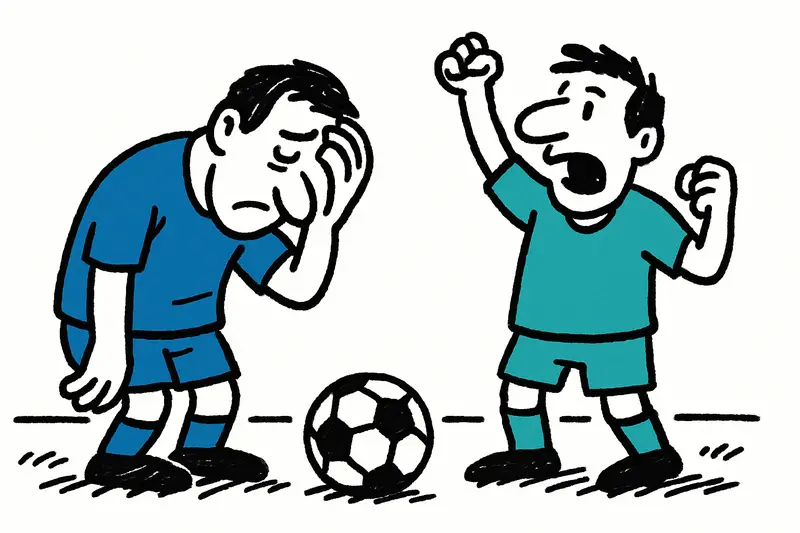
Too late to ignite: RCD Mallorca lose narrowly 1-2 in Bilbao
An early penalty, a late equaliser – and five minutes later the decisive goal: the 1-2 defeat at San Mamés reveals why Mallorca remain at the bottom of the table. Time for sober analysis instead of consolation.
Too late to ignite: RCD Mallorca lose narrowly 1-2 in Bilbao
San Mamés breathed cold, damp air, the rain ticking softly on the stadium roof, and already after a few minutes you knew: this would not be a comfortable evening for the island side. A confidently converted penalty by Iñaki Williams in the eighth minute put Bilbao ahead early. For Mallorca it began a chase that raised hope, but in the end left the same old questions unanswered.
The central question: Why does Mallorca lack calm in these games?
The clear guiding question after 90 minutes is: how does this team break out of the pattern "early deficit – frantic reaction – late hope – quick disillusionment"? In San Mamés the problem was not just individual quality, but the lack of collective calm in critical phases. Especially in midfield the balance between transition play and ball circulation was missing; many passes looked rushed, and the Basques' pressing repeatedly put Mallorca under time pressure.
The 1-1 by Samu Costa in the 77th minute was deserved and nicely worked: patience, runs, a clean finish. But only five minutes later the magic had barely faded when a deflected shot in the box made it 2-1. That shows: mistakes happen in seconds, and the team currently has too few mechanisms to survive those moments.
Little-discussed factors: rotation, travel and mental resilience
Formation and line-up debates dominate public discussion. Less considered is how much thin squads and travel fatigue can decide a close contest. The league schedules matches tightly, and players returning at half power often lack the freshness needed in the second half, a pattern seen in RCD Mallorca pierde 2-3 frente a Espanyol: el penal decide. In Mallorca you hear the same complaint at the bar: "The team runs, but not in an organised way."
Another underdiscussed point is the psychological reaction to setbacks. An early penalty changes not only tactics but also body language. Those who are constantly in the role of the chaser expend mental energy – and that is then missing in key moments when calm and precision are required.
Concrete approaches: what needs to be done now
It is not enough to lament after the match. Three practical levers should be pulled now: first, change training priorities – more simulated pressure situations, i.e. exercises that train the team to stay composed in tight spaces and under adversity. Second, improve match management: use substitutions proactively, not only when trailing, to maintain tempo and structure. Third, intensify mental work: short programs with sports psychologists could help the team act more clearly in high-tension minutes.
Tactical nuances are also possible: a more stable double pivot for games against pressing teams, more consistent play down the flanks to relieve the midfield, and clearly defined routines for set pieces – both offensive and defensive. Many small things that can become effective together.
Coach, fans and reality
Jagoba Arrasate looked not surprised but rather disappointed after the final whistle: he talks about character, but also about a lack of calm in decisive moments. That is honest, but it is not a plan. Fans in Palma, on the Plaça Major and in small harbour bars, react now less with impulsive emotion and more with searching: where will the next signal of stability come from?
On the way back from the stadium I saw two travelling supporters laughing at a petrol station in the dark and reminiscing about past promotion weeks. This mix of frustration and defiant optimism may be useful: it reminds you that support exists, but results must follow.
Outlook
With the win Bilbao have some breathing room again – for Mallorca the duty is not to panic. The table does not lie: five points from eight games is too little, and recent narrow defeats such as Real Mallorca pierde por poco 1:2 en el Bernabéu – actuación combativa sin recompensa underline the urgency. The club must act quicker than before, both on the training ground and in mental preparation. The coming weeks will show whether this team is only stumbling short-term or whether it truly learns from bitter evenings like this one.
Conclusion: A defeat that explains more than just the statistic: it is small details, travel stress, mental fragilities and tactical fine points that are currently holding Mallorca back. Solutions exist – they simply need to be pursued consistently.
Frequently asked questions
Why did Mallorca lose 2-1 to Athletic Bilbao at San Mamés?
What is Mallorca's main problem in tight away games?
How important is mental resilience for Mallorca this season?
Does fixture congestion and travel affect Mallorca's performances?
What did Samu Costa's goal mean for Mallorca against Bilbao?
What tactical changes could help Mallorca in pressurised matches?
How are Mallorca fans reacting to the team's recent results?
What does the Bilbao defeat mean for Mallorca in the table?
Similar News
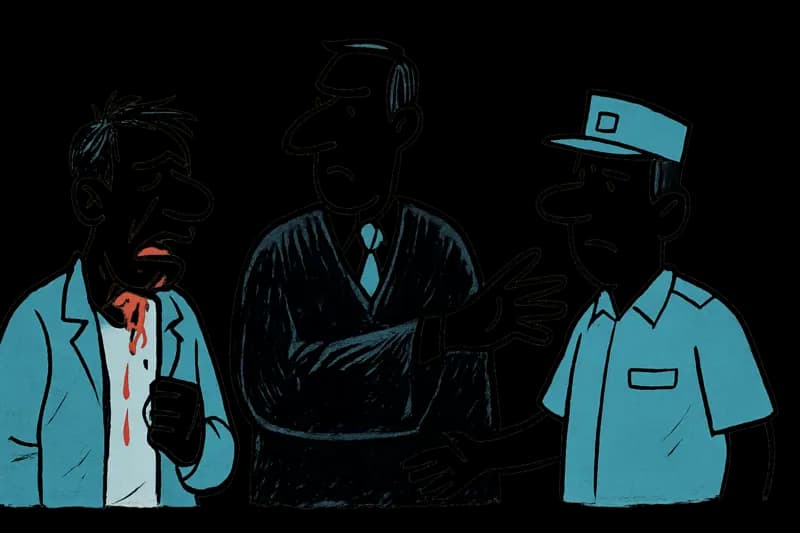
Release after bloody attack in Palma: Why the court's decision raises questions
An 18-year-old who allegedly inflicted a serious neck injury on a man at Plaza Gomila using a wristwatch wrapped around ...
Kidnappings in Inca: Three young men forced into car trunks and abused in the forest – a reality check
In Inca, three 18-year-old men were forced into car trunks by masked assailants at the Plaça des Bestiar, taken to a for...
Spreading Massification: The Brake That Still Has Much Work to Do
Marga Prohens announces limits on volume tourism. The measures sound harsh — but are they enough to save everyday life, ...

Through the Keyhole onto the Party Yacht: How Daniela Katzenberger Is Planning Her 40th on Mallorca
Daniela Katzenberger turns 40 and wants to celebrate it on the island — likely with a boat, cake and her mother. A relax...
By Boat Instead of the Road: Palma's Water Bus — a Reality Check
The 'Bus Nàutic' launches in two stages — but questions remain over interim operations, fares and environmental requirem...
More to explore
Discover more interesting content

Can Cap de Bou

Townhouse Lleo 72
