
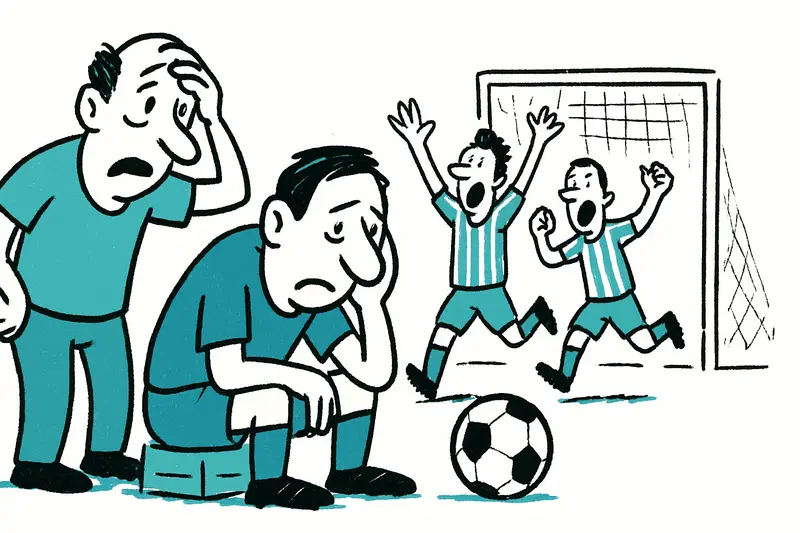
Yellow Alert in Palma: How RCD Mallorca Can Still Save the Season
The 0-3 in Seville hits Mallorca hard. More than a lost match — it exposes structural weaknesses: second balls, set pieces and mental fatigue. Five concrete steps to make Son Moix a fortress again.
Silent return trip, loud questions
The drive home along the MA-20 was unusually quiet. No singing, just the deep hum of the team bus and the occasional clink of glasses in harbour bars where fans were replaying the match Lead lost, questions remain: Why RCD Mallorca couldn't see out the 2-2 against Osasuna. The 0-3 at Betis Seville is more than a defeat: it left traces. 17th place after eleven games, nine points — and the feeling that some core issues remain open.
The key guiding question
How does RCD Mallorca get out of this downward spiral? This question will waft through Palma in the coming days, from the Plaça Major to the steps in front of Son Moix. It's not just about a lost evening at the Benito Villamarín, but about recurring patterns: frequent turnovers, a lack of presence on second balls, uncertainties on set pieces and too little decisiveness in the final third, and past matches underline it, including Red Alert: Why Mallorca's Crisis Runs Deeper Than the 0-1 in San Sebastián.
A closer look
On paper a lot looked like a classic away game: the opponent exploited spaces, Mallorca made mistakes. But those who look deeper hear the quieter, more dangerous signals. Two points stand out and are rarely addressed so concretely:
1. The second-ball balance. Too often, cleared attacks are not followed by clear recoveries. Scenes in which the islanders lose second balls lead to long spells of opponent possession — and pressure on the defence. Winning second balls decides many matches, especially against technically strong opponents like Betis.
2. Mental fatigue. Eleven league games, travel, expectation pressure — it adds up. Small lapses in concentration escalate: missed assignments on set pieces, delayed backward movements, careless first touches in midfield. These are not dramatic individual failures but rather a collective tiredness creeping into the game.
Where it concretely sticks
On set pieces yesterday there was a mixture of uncertainty and a lack of compactness. Not only did responsibilities seem unclear, body language in aerial duels looked tense. Offensively the necessary calm is missing: many attacks broke down because the final pass was rushed or the tempo wasn’t varied at decisive moments. In short: structure under pressure and clear roles are currently missing. The concerns echo analyses like Son Moix in Focus: Can Mallorca React After the Barça Defeat?.
Pragmatic solutions — without quick fixes
The good news for the island: some of these problem areas can be worked on relatively quickly. Three concrete measures could have short-term impact — plus two strategic ideas for the coming weeks:
1. Training for second balls and duels. Not marathon sessions, but short, intensive drills that simulate exactly these match situations — with clear rules, winners and losers. More presence in midfield reduces unnecessary turnovers and breaks up opponent possession cycles.
2. Rethink set pieces. Not repeating the same routines for minutes on end, but assigning tasks: who blocks, who moves on, who starts into space. Small adjustments on corners and free kicks can have immediate effects. Details often decide here — and they can be trained.
3. Rotation and mental work. Deliberate rotation, targeted inclusion of younger players, and sessions with a mental coach for processing mistakes could help break the collective fatigue. Sometimes less load on key players creates more clarity in the final minutes.
Two tactical additions:
4. Counter-pressing with a plan. Not wild chasing, but defined trigger moments — when and how to apply immediate pressure to force the opponent into mistakes.
5. A clear communication chain on the pitch. Who directs the defence? Who takes responsibility in transition? Such roles provide stability in hectic phases.
What coach Arrasate must tackle now
Jagoba Arrasate faces a classic coaching crossroads: stick strictly to the system and demand more discipline — or change the starting XI to inject fresh impulses. Both are valid. What will be decisive is a clear message to the squad and to the island — no panic, but zero tolerance for carelessness. Small personnel changes combined with precise tasks for the counter-press could already be enough.
The fans, the smell of fried calamares and the clock
In harbour bars, on the Plaça Major and outside Son Moix there was worry yesterday, mixed with the stoic calm that Mallorcans are known for. People applaud a won duel, laugh at a successful solo — that's part of the island spirit. The season is long, and that is a real consolation. But the clock is ticking: suddenly small decisions in training sessions and on the bench become decisive.
Looking ahead
An evening in Seville exposed weaknesses. Now it matters how quickly and decisively these deficiencies are addressed. If Mallorca takes the work on second balls, set pieces and mental freshness seriously, Son Moix can become a fortress again, as warned after earlier setbacks in Poor Start: RCD Mallorca 0-3 to Barcelona – Son Moix Left Disappointed. If not, the fatal paradox threatens: the unrest itself becomes the cause of even more mistakes.
There is still time — but not unlimited. The next training sessions and upcoming matchday decisions will show whether Mallorca can act or only react.
Frequently asked questions
What is going wrong for RCD Mallorca this season?
Can RCD Mallorca still save their season after the loss in Seville?
Why are second balls so important for Mallorca in matches?
Is Mallorca’s current problem more mental than tactical?
What should Mallorca improve in set pieces?
What can Jagoba Arrasate change to help Mallorca now?
What does Son Moix need to become a stronger home ground again?
How are Mallorca fans reacting to the team’s poor run?
Similar News
Injured captain, big plans: Germania Mallorca before the away match in Consell
The newly founded FC Germania Mallorca travels to Consell on Saturday. Captain Bastian Müller is out injured, but coach ...
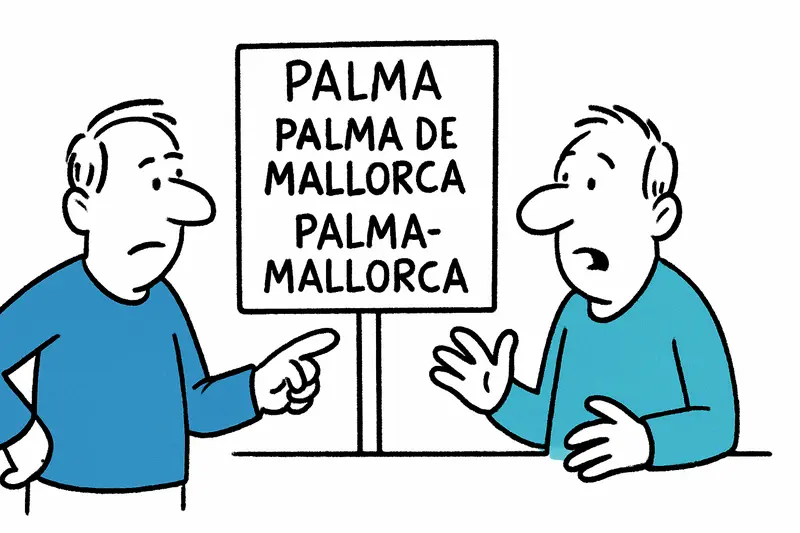
Palma, Palma de Mallorca, Palma‑Mallorca: What is it really about?
The debate over the city's name is more than grammar: it concerns identity, law and branding policy. A sober reality che...
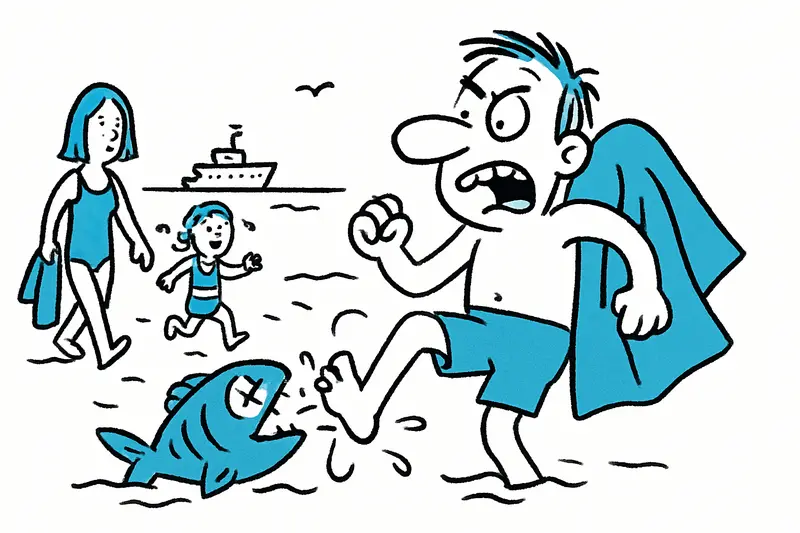
Warning to Bathers: Nipping Fish in Cala Major and Other Coves — a Reality Check
In Cala Major and several beaches around Mallorca, bathers report painful “nips”. Who are the animals, why are they gett...

Rental Car Theft in El Arenal: What This Incident Reveals About Our Gaps
A teenager steals a running rental car in El Arenal, flees on foot, climbs over walls and is caught by the Guardia Civil...
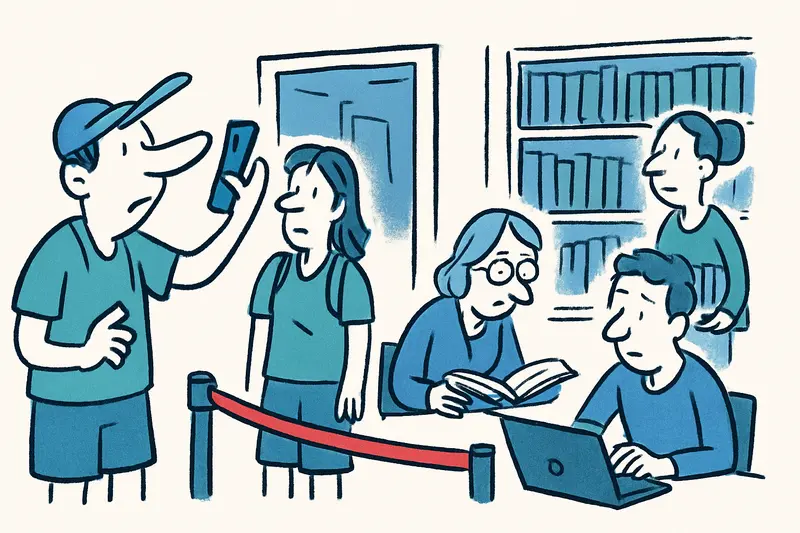
Red Rope in Palma's Library: What Helps Against Selfie Tourism — and What's Missing
Palma's city library cordoned off an area with a red rope to keep selfie tourism away from reading and working activitie...
More to explore
Discover more interesting content

Can Cap de Bou

Townhouse Lleo 72
