
Reality Check: Alarm Systems in Mallorca — What German Owners Really Need
Reality Check: Alarm Systems in Mallorca — What German Owners Really Need
Many German second-home owners seek security through alarm technology. But buzzwords like “best system” are not enough. We ask: can technology alone — without local organization — protect against squatting and legal hurdles?
Reality Check: Alarm Systems in Mallorca — What German Owners Really Need
Leading question: Is a modern alarm system alone enough to guarantee peace and legal security for a remotely managed property in Mallorca?
Critical analysis
The short answer is: No. A siren, an app and a marketing promise are convenient, but they do not solve the core problems owners face here. In Mallorca it is not just about traditional burglaries. It is about long‑term vacant apartments, fincas with irregular use and a legal situation that makes repossession in cases of squatting complicated. Technology is one building block, not a magic formula.
What matters specifically: response time, visual verification, local networking and regular maintenance. A product that can show everything via an app is good — as long as alarm notifications do not get lost in a flood of false alarms and as long as someone with decision‑making authority is actually reachable on site. A server in Madrid or a control center in Barcelona is nice; a neighbor, a caretaker or a local security service that arrives immediately is often decisive.
What is missing in the public debate
Conversations often focus on buzzwords: 24/7 monitoring, app control, “best system”. Rarely do they address the hard details: Who has the key? Who is allowed to call the police? What does the escalation protocol look like when people turn up in a vacant finca in the middle of the night? And: how are video recordings handled legally? EU General Data Protection Regulation (GDPR) and local police procedures are hardly discussed, even though they make the difference between a quick resolution and months of paperwork.
A day‑to‑day scene from Palma
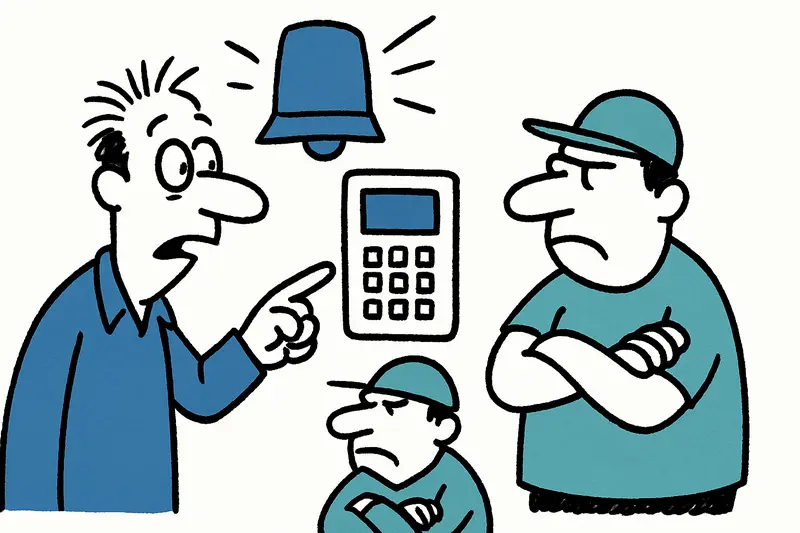
I recently stood on the Passeig Mallorca at sunset, the fishing boats gently rocking, while on the Plaça a gardener trimmed the bougainvillea. A German couple, visibly worried, were on the phone with their alarm installer: the app showed an alarm, but the installer asked for visual verification before contacting the police. The owner, 300 kilometers away, was waiting for images. This is everyday reality: technology delivers data, but the decision to intervene requires local hands and nerves.
Concrete solutions
1) Link, don't just install: alarm systems must have fixed local partners — neighbors, caretakers, security services. A contract should set response times, responsibilities and costs for interventions.
2) Take visual verification seriously: live images reduce false alarms. Nevertheless, storage and sharing of footage must be GDPR‑compliant and legally secure.
3) Legal prevention: contracts with tenants, regular inspections, registered mailing addresses and local legal representation are inexpensive measures that are often cheaper than a long court case.
4) Increase physical barriers: lighting with motion sensors, robust locks, window protections and clear marking against squatting (particularly when absences are visible).
5) Regular tests and transparent protocols: annual system checks, test alarms and written documentation of false alarms and real interventions build trust.
What buyers and landlords should check specifically
When signing a contract, read not only about the device but the service level agreements: Is there a 24/7 control center? Does the company cooperate with the Guardia Civil or local police? Who decides on an intervention? Are the response procedures documented? Are there German‑speaking telephone contacts?
Punchy conclusion
Those seeking “security” in Mallorca need more than an alarm box on the wall. Technology helps create oversight — but control only emerges through local organization, clear legal rules and everyday practicality. For German owners this means: listen less to superlatives and pay more attention to processes. A reputable alarm company is important. Even more important is a reliable local network and a legal strategy in case something goes wrong. Only then can one truly speak of real security.
Frequently asked questions
Is an alarm system enough to secure a property in Mallorca?
What should German owners check before installing an alarm system in Mallorca?
How important is local response for a vacant property in Mallorca?
What is visual verification in Mallorca alarm systems?
Can alarm camera footage be used freely in Mallorca?
What can Mallorca owners do to prevent squatting in an empty property?
Should alarm systems in Mallorca be tested regularly?
What should be in an alarm service contract for a Mallorca property?
Similar News

Eurowings lets four aircraft carry names – a friendly idea that also reaches Mallorca
Eurowings is launching a campaign: four Airbus A320s are to carry the first names of people who help others in everyday ...

From the Reality Studio to the Pitch: Aleks Petrovic Makes Mallorca His Base
The former participant in numerous TV shows moves from Dubai to the island and launches a project with FC Germania Mallo...
When the Phone Falls Silent: Concern for Sarah Joelle in Mallorca — and What It Reveals
After days without a response, the TV personality's unreachability in Mallorca sparked concern. Shortly afterwards an al...

Ultraluxury on the Ground: Four Seasons Jet in Palma — a Reality Check for Formentor and the Island
A high-priced flight crosses Mallorca and its guests stay for days at the Formentor resort. What does the island get bes...

Death of a Witness and the Justice Backlog: Why the Kegel Brothers Trial Matters in Mallorca
A witness in the Playa de Palma fire case has died, and the trial against eight German holidaymakers has been delayed un...
More to explore
Discover more interesting content

Can Cap de Bou

Townhouse Lleo 72
