

SIAU considers an indefinite teachers' strike in the Balearic Islands – what's really behind it?
SIAU considers an indefinite teachers' strike in the Balearic Islands – what's really behind it?
The teachers' union SIAU has called a vote: an indefinite strike in the Balearic Islands is on the table. Why morale is so low, what is missing in the debate, and what a possible way out could look like.
SIAU considers an indefinite teachers' strike in the Balearic Islands – what's really behind it?
An interim assessment and a look at everyday life
Teachers in the Balearic Islands are currently voting on a possible indefinite strike. The teachers' union SIAU initiated the vote; it cites criticism of the Balearic government's education policy, poor working conditions, a lack of support for teachers, the high cost of living on the islands and problems filling substitute positions, as reported in Teacher Shortage in the Balearic Islands: Why So Many Positions Remain Open. It is also mentioned that the action could join ongoing protests in Catalonia and Valencia, a possibility covered in Strike Warning in the Public Service: Could the Balearic September Come to a Standstill?.
Key question: What would an indefinite walkout practically mean for schools, families and the island economy — and which problem areas need to be addressed first, not just lamented?
Critical analysis: The facts from the ongoing vote show frustration but no finished strategy. An indefinite strike is a severe measure that produces effects — both visible in classrooms and invisible in everyday life: parents loading their children's schoolbags into buses on the Passeig Marítim in Palma in the morning, commuters cursing delayed school buses at the Plaça de Cort, teachers in the afternoon balancing rent costs against their salaries. Such scenes suggest: the causes are not solely technical policy issues; it's about securing day-to-day life.
What is missing so far from the public discourse: concrete figures and priorities. Current statements name areas of concern but provide no ranking or short-term demands. Without details on relieving measures (more special education teachers, guaranteed substitute offers, housing allowances?) it remains unclear how negotiations should be conducted. Rarely discussed either is which subjects or year groups should be especially protected in a crisis (for example, exam cohorts or classes requiring inclusion).
An everyday scene from Mallorca: on a typical morning in front of a secondary school in Palma you can hear the rattling of bicycle chains, the smell of freshly brewed coffee from a bakery and staff shuffling substitute schedules. Parents speak softly to each other on the sidewalk. These small images show: education is not an abstract system — it is woven into streets, homes and work schedules.
Concrete solutions that deserve more weight in the debate: 1) Short-term substitute program: regionally coordinated, temporary pools of substitute teachers with clear deployment rules. 2) Housing subsidy model for teachers in expensive municipalities: a temporary allowance until sustainable market solutions emerge. 3) Transparency initiative: public reporting on how many teachers are missing, in which subjects and school levels — only then can targeted measures be planned. 4) Staged negotiation steps: tiered collective bargaining with binding deadlines and a neutral mediation body to prevent escalations. These proposals are pragmatic and aim to reduce lost teaching time without immediately closing all doors.
Why it remains complicated: the island economy is seasonal and strongly influenced by tourism and the housing market. Salary increases without accompanying housing or infrastructure measures would relieve teachers but could immediately be offset by rising rents, as negotiations over pay have recently stalled in Balearic Islands: Pay talks with civil servants stall — negotiations to continue tomorrow. At the same time, the political situation in Spain is volatile; a strike that expands regionally increases pressure but also creates new conflict lines.
Pithy conclusion: SIAU's vote is a warning signal. Teachers feel overburdened and left alone — this is a real, visible crisis in schoolyards and apartment blocks. An indefinite strike would be a sharp instrument with consequences far beyond classrooms. Before that happens, a clear agenda is needed: concrete, verifiable measures, transparent figures and a moderated negotiation route. Without such steps, the debate risks stalling in a deadlock — with children as the silent sufferers.
Frequently asked questions
What is the weather usually like in Mallorca in March?
Is March a good time to visit Mallorca?
Can you swim in Mallorca in March?
What should I pack for Mallorca in March?
What is Palma de Mallorca like in March?
What is Sóller like in March?
What is it like to visit Alcúdia in March?
What can I do in Mallorca in early spring?
Similar News
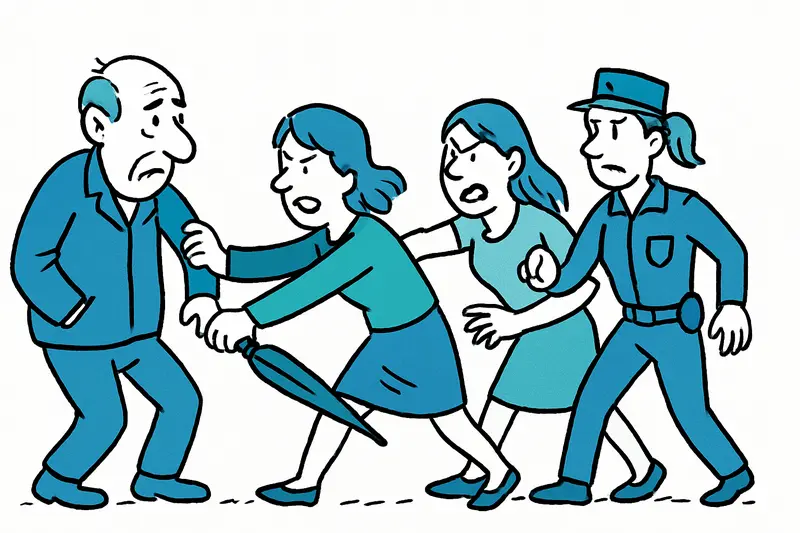
When the Wallet Becomes a Danger: Attack in Peguera and Lessons for Mallorca
In Peguera, two women are said to have stolen the wallet from a 75-year-old German couple. When the victim intervened, t...
Plata stays Plata: Young people take over, Llonguets remain
A small bar on Carrer de l'Argenteria will continue: Tolo Serra hands the place over to young Mallorcans at the end of t...
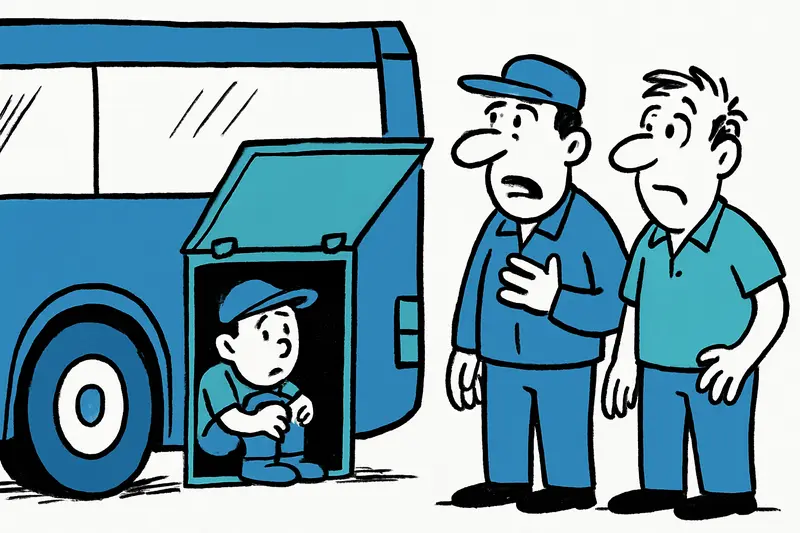
Unnoticed in the Luggage Compartment: How a Boy Traveled More Than 100 Kilometers in a Team Bus
A minor traveled in the undercarriage of a team bus for more than 100 kilometers until his cries for help were heard. A ...

Cap Vermell Grand: Second Michelin Key – a Gift for the East
The Cap Vermell Grand in Capdepera has been awarded its second Michelin key. For the region this elevates the luxury off...
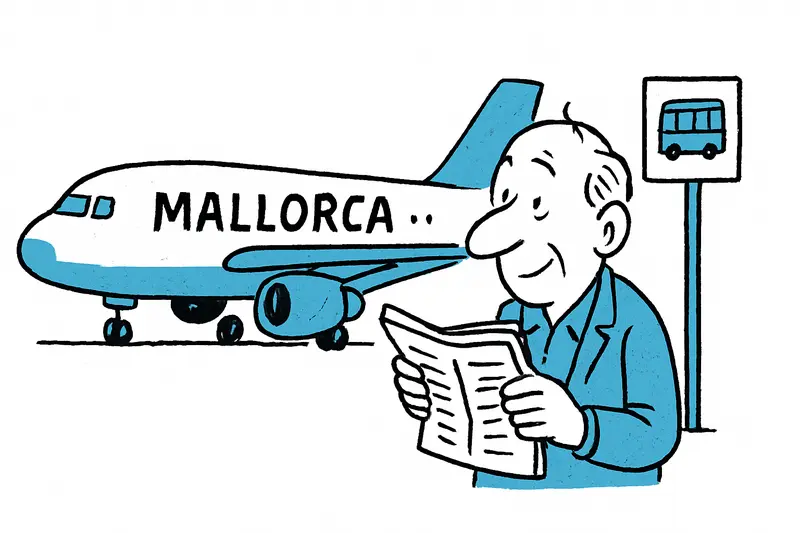
Eurowings lets four aircraft carry names – a friendly idea that also reaches Mallorca
Eurowings is launching a campaign: four Airbus A320s are to carry the first names of people who help others in everyday ...
More to explore
Discover more interesting content

Can Cap de Bou

Townhouse Lleo 72
