

New Reception Center in Palma Port: First Assessment and Open Questions
New Reception Center in Palma Port: First Assessment and Open Questions
Tents in the port, volunteer helpers and more than 440 arrivals in a few days: the new reception center in Palma has started operating. A reality check from the island's everyday life.
New Reception Center in Palma Port: First Assessment and Open Questions
More than 440 people in a few days – how prepared is Mallorca really?
Tents have been set up at the port of Palma, as reported in Provisional Measures at Pier 3: Palma Sets Up Emergency Shelters in the Port. They were erected as early as November and have only recently begun operating. The reason: many small boats have reached the Balearics, with over 440 people arriving within a few days. The Spanish Red Cross is on site providing first aid; some of those arriving are being taken by ferry to mainland Spain.
Key question: How well does the new reception center work — as short-term local assistance, as part of a long-term strategy, or merely as a provisional response to acute pressure?
From the Passeig Marítim you can hear the ferries' horns in the morning, the rattling of suitcase wheels and the distant cries of seagulls. Between the luxury yachts and the ferry docks, the white tents appear out of place. Volunteers bring blankets, basic medical care is organized, and interpreters are often in short supply. This everyday scene makes visible what numbers alone do not convey: these are people who have arrived, need to find their bearings and often must wait for answers.
Critical analysis: At first glance the facility operates like rapid emergency aid — accommodation, initial medical care, registration, transfer. But there are several uncertainties behind this. First: capacity and staff. Tent installations can be set up quickly, but they require trained personnel around the clock. Second: coordination with the mainland. Ferries are a practical solution, but they must be scheduled so people do not remain in provisional camps for days. Third: weather and safety issues. Storms, cold or high waves can change the situation within hours and require flexible plans.
What is often missing in public discourse: concrete figures on length of stay at the site, information in multiple languages for the arrivals, and a clear breakdown of which authorities are responsible for what. People often hear about "transfer to the mainland," but not how quickly that happens and what accommodations are available there. Reporting such as Between Quays and Bureaucracy: How Mallorca's Ports Are Responding to Landings examines these coordination challenges.
Concrete solutions that would be feasible on Mallorca: first, a clear transfer protocol between the port authority, island government, the Red Cross and central authorities on the mainland. It should define fixed ferry time slots and digital coordination so that places do not remain empty. Second, mobile teams for registration and initial health checks that rotate around the clock. Third, a publicly accessible information point at the port with multilingual flyers and phone numbers for legal and social advice. Fourth, expansion of small, decentralized reception sites on the island — unused halls, community centers — as an alternative to a central tent camp directly at the quay. The debate about temporary accommodations also includes proposals for container facilities, discussed in Containers at Palma Harbor: First Aid or Patchy Interim Solution?.
At the local level, pragmatic solidarity often helps: churches, neighborhood associations and bars donate food or clothing. This energy should be coordinated with clear contacts and legal frameworks so that volunteers do not fall into bureaucratic traps. Also useful in the short term: more language courses for helpers to avoid misunderstandings, and fixed rest times for those affected so that trauma is not exacerbated.
Conclusion, pointed: The reception center at the port is necessary and initially appears to be an orderly response. But an orderly process needs more than tents and good intentions. It requires clear procedures, sufficient staff, rapid transfer options and transparency toward the population. Otherwise, from the island's perspective, it remains a well-meaning makeshift — and the next wave of arrivals will create new chaos.
For the people on board and for Mallorcans this means: organize short-term help, create medium-term capacity and work toward a fair European solution in the long term. In the meantime Palma remains vigilant — and work at the port continues as ferries arrive and seagulls circle overhead.
Frequently asked questions
What is the new reception center at Palma Port for?
How well prepared is Mallorca for arrivals by boat?
What happens to people who arrive at Palma Port?
Why is the reception center at Palma Port only a temporary solution?
What role does the Red Cross play at Palma Port?
What problems can affect a reception camp at Palma Port?
Where could Mallorca set up alternative reception spaces?
Why is multilingual information important at Palma Port?
Similar News
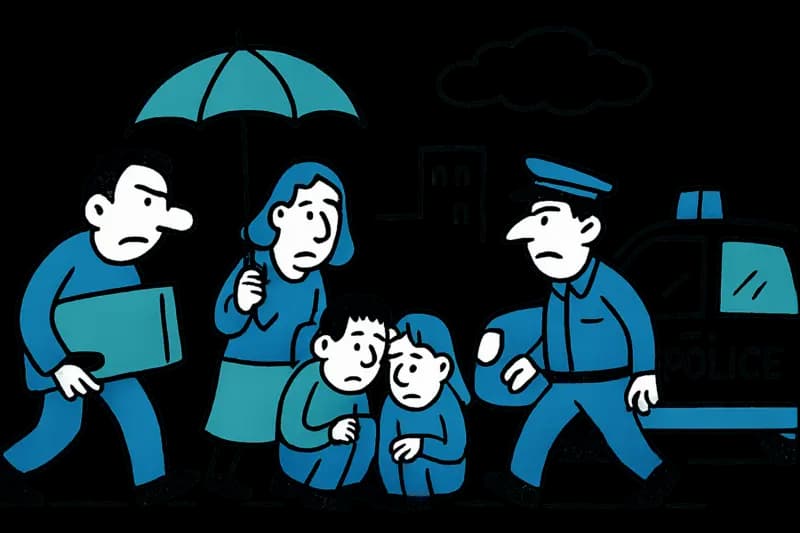
First Day, First Consequences: What Palma's Rent Freeze Really Means
A new decree stops a planned eviction in Palma — but what really changes for tenants and landlords? A reality check with...

When Housing Becomes a Matter of Survival: Mallorca Between Rental Frenzy and Everyday Life
The case of 87-year-old Maricarmen showed that on Mallorca many people's lives are poised between affordable and uninhab...
Autumn in Mallorca: When Melancholy Gets a Window
Why autumn quietly tightens here — and how to make use of the mood: walks, culture, candles and the light from Palma to ...
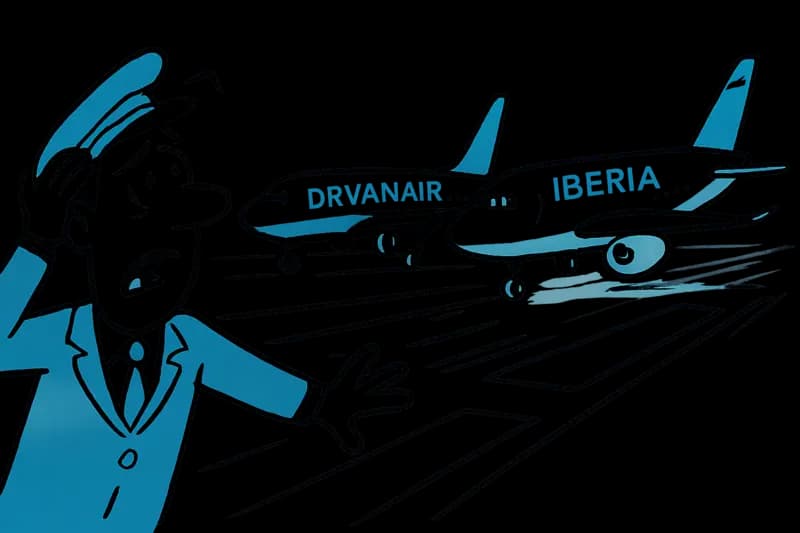
Near-miss on Lanzarote: Landing Ryanair Jet and Iberia Takeoff — what really went wrong
On Lanzarote there was a dangerous incident: A Ryanair flight (FR5910) from Dublin landed on runway 03 while an Iberia E...

Eurowings introduces new Premium Business seats on Mallorca routes
From December 1, selected Eurowings flights to Palma and other destinations will feature eight particularly generous sea...
More to explore
Discover more interesting content

Can Cap de Bou

Townhouse Lleo 72
