
Red Blitz goes into winter break – what it means for tourists and island residents
The historic Palma–Sóller railway will close on November 23; a reduced timetable is already in effect. We examine who is affected, what is missing in the public debate and how the pause could be made more useful.
Red Blitz goes into winter break – what it means for tourists and island residents
At the end of November there will again be a seasonal interruption on the Palma–Sóller line: the historic train familiar to both locals and visitors will temporarily suspend regular operations. Since the beginning of November significantly fewer trains have been running; from November 23 the tracks will be put into a state of rest for several weeks. Trains are not expected to run regularly again until February 1, 2027. The tram to Port de Sóller is announced for a shorter interruption and, according to the operator Ferrocarril de Sóller S.A., is to run again from December 22.
Key question
Is a winter break of just under three months, accompanied by a reduced timetable and limited accessibility, sufficient — or does the island miss the opportunity to make historic rail service more attractive and useful during the low season?
Critical assessment
The facts are clear: since the beginning of November a shortened timetable has been in effect with only four connections per direction per day (from Palma at 10:30, 12:50, 15:10 and 18:00; from Sóller at 9:00, 11:40, 14:00 and 17:00). On November 23 operations will be suspended; the operator cites lower demand in the winter months and necessary maintenance work on vehicles and infrastructure. Such interventions are technically unavoidable – but the way this phase is handled raises questions.
For tourists the pause means planning difficulties: spontaneous visitors planning island tours or a day trip to Sóller must look for alternatives. For commuters and valley residents it is less of a tourist experience and more everyday life – they need reliable connections especially when regular tourism declines and public services thin out.
What is missing in the public discourse
The public debate focuses above all on the tradition and charm of the train. Little attention is paid to how the pause concretely affects residents, railway employees and the local economy. Also scarcely visible are concrete details about replacement services, coordination with bus routes and whether certain maintenance tasks could be staggered to allow partial operation. Transparency about duration, costs and priorities of the maintenance work is lacking – which would be important for public acceptance.
Everyday scene
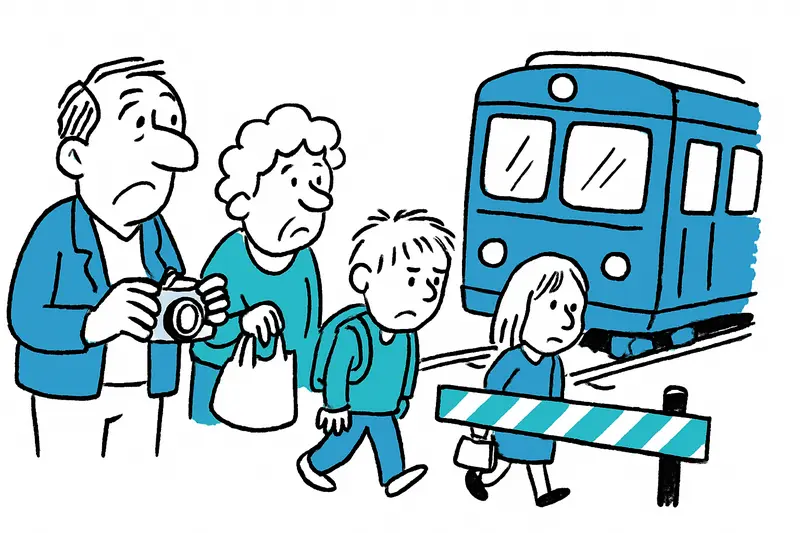
At Palma station on a cool November morning I see passersby with cameras, seniors with shopping bags and two schoolchildren who take the bus home after lessons. The barriers on the platform, which already occasionally announce cancellations, feel like an early clearing of the stage. In Sóller the street cafés are quieter, the market stalls more compact – here people notice the gaps in transport earlier than in Palma.
Concrete proposals
- Communicate transparently: detailed lists of which works are being done, why they are needed in that order and which replacement services are planned. A simple, continuously updated online overview would calm a lot of unrest.
- Better coordinate replacement services: cooperation with intermodal bus connections, timed shuttle buses on weekends and during tourist peaks, as well as special resident tickets could cushion the hardships.
- Consider partial operation: some maintenance measures could be carried out in phases so that at least limited train service is maintained – especially on weekends and during holiday periods.
- Make maintenance visible: open workshop days or short guided tours during the works build understanding and add to the cultural offering in the low season.
Conclusion
The Red Blitz's winter break is technically plausible and in parts unavoidable. Nevertheless, the pause should not be seen merely as switching off. With more transparency, better coordination with alternative transport and creative offers, the time could be used to strengthen the relationship between tradition and everyday utility. That would be a real gain for both locals and visitors – and the train would return not only eventually, but with a clearer mandate for winter operation.
Frequently asked questions
When will Mallorca's Palma–Sóller train and the Port de Sóller tram resume after the winter break?
What should I know if I'm planning a day trip to Sóller during Mallorca's winter break?
What replacement transport options exist during Mallorca's rail winter break?
Could maintenance work be staged to keep limited service running?
What is the impact of the winter break on Mallorca residents?
What concrete steps could improve the winter pause experience for locals and visitors?
Will the winter break affect the local economy around Sóller and Palma?
How could Mallorca’s winter pause turn a disruption into a lasting improvement for the rail system?
Similar News

Ryanair to fly from Kassel-Calden to Mallorca in summer 2027 – a boost for the island
For the first time, Ryanair will offer twice-weekly connections from Kassel-Calden to Palma in summer 2027. What this me...
Cash Missing from Hotel Safe: Holiday Couple Complains in Sa Coma
A German couple reported the loss of €600 from their hotel room safe after a stay in Sa Coma. The Guardia Civil is inves...
Held up at the gate: Why an incident at Münster/Osnabrück Airport raises questions for Mallorca
A member of parliament was not allowed to fly: At Münster/Osnabrück Airport a politician was denied transport to Palma. ...

How Could the Driver Disappear? A Rental Car Plunges Six Meters — What This Means for Ibiza and Mallorca
On Ibiza a rented BMW 420d ran off the road, struck a pole and tumbled about six meters down an embankment. The driver f...
El Arenal loses Mercadona — who will be left behind?
The Mercadona in the S'Arenal Park shopping centre closes in mid-November. Older residents, people with limited mobility...
More to explore
Discover more interesting content

Can Cap de Bou

Townhouse Lleo 72
