

Scaffolding removed at Plaça de Santa Eulàlia: Casa de Socorro shows its face again
At Plaça de Santa Eulàlia the restoration of the Casa de Socorro is complete: scaffolding removed, marés sandstone shines again – a small refresh with big impact for the old town.
Scaffolding removed: Casa de Socorro shows its face again
On this clear morning at the Plaça de Santa Eulàlia the old town looked a little like it does after tidying up before a festival: the scaffolding in front of the Casa de Socorro has gone, Rehabilitación de la histórica Casa de Socorro en Palma finalizada — Andamios retirados, detalles recuperados, and the warm red of the marés sandstone is revealed once more. The floral ornaments, the moulded cornice and the crafted window reveals gleam, as if they had only been waiting for good weather.
According to a statement, the city invested just under €206,000 in cleaning the façade and in a new roof structure. At first glance that is a lot of money for a comparatively small house. Anyone who watches the craftsmen for a morning — arriving with thermoses, thick gloves and quiet professional conversation — understands it better: the work was conservative, preserving as much original material as possible, nothing overdone.
The scaffolders still wear expressions as if giving an old friend a final handshake. And indeed: the smell of lime and cleaning agents mixes with the soft clink of tools when the sun climbs over the small balconies. Such everyday scenes are part of working with marés, the soft sandstone to which Palma owes so many of its faces — and which quickly loses its details without care.
Important: these are conservation practices, not a complete restoration. The administration emphasizes that salt weathering was treated, material consolidation carried out, and the roof renewed so that the building will be protected for decades to come. Small tasks like gutter checks and targeted repointing are planned for the coming weeks.
Also interesting is the ensemble effect: a neighbouring building in the same street row received similar measures at the same time. For pedestrians this does not create a piecemeal puzzle, but a coherent picture — an example of how coordinated small projects can noticeably enhance the overall image of the old town.
What makes the place come alive are the people: seniors who defend their seats on the benches, neighbours who remember earlier times, and tourists who pause a few seconds longer because fine details are visible again. Conversations about façades are not held in city chambers here, but on benches, in cafés and between washing lines — and that's a good thing.
Acting conservatively often means less spectacular work. There are no big, shiny interventions that make headlines. Yet this is precisely what matters: removing salt efflorescence, securing loose plaster, installing a breathable roof covering — measures that are important for the old town's climate, especially in damp winters when the Tramuntana whips through the alleys.
For the neighbourhood this means less dust, fewer broken tiles and a bit more pride. Such projects rarely run quickly, but when well done patience pays off. Perhaps it is precisely the modesty of this undertaking that gives hope: small, well-coordinated interventions can preserve many little treasures without sacrificing the authenticity of the quarters.
Outlook: The Casa de Socorro is not a monumental building, but a house with character that is now more distinct. If the city continues this approach — coordinated conservation works along whole streets, transparency about costs and material choices, perhaps even local sponsors for small projects — Palma could gradually regain its fine, often overlooked details. And who knows: on the next walk through the Plaça de Santa Eulàlia you might linger a little longer — not only because of the sun, but because of the visible history in every stone.
Frequently asked questions
Why is the Casa de Socorro in Palma’s Plaça de Santa Eulàlia getting attention again?
What kind of work was done on the Casa de Socorro in Palma?
How much did the Casa de Socorro project in Palma cost?
Why is marés sandstone so important in Palma’s old town?
Is the Casa de Socorro in Palma fully restored now?
What does this kind of façade work mean for Palma in winter?
What can visitors notice at Plaça de Santa Eulàlia in Palma after the work?
Why do small conservation projects matter in Palma’s old town?
Similar News
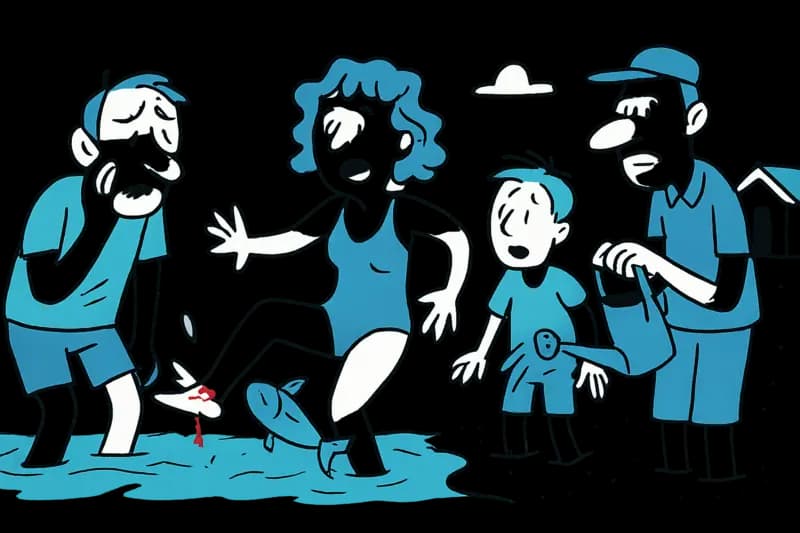
Why the Striped Breams in Cala Pí Should Be a Wake-up Call
Once again bathers in Cala Pí were surrounded while swimming by small, nippy fish — some wounds bled. Time for clear rul...

Daily from New York: How Palma's Air Traffic Is Growing — and What Must Change
United will increase the Newark–Palma service to daily flights in 2027 (Boeing, 231 seats). Strong tourist numbers clash...
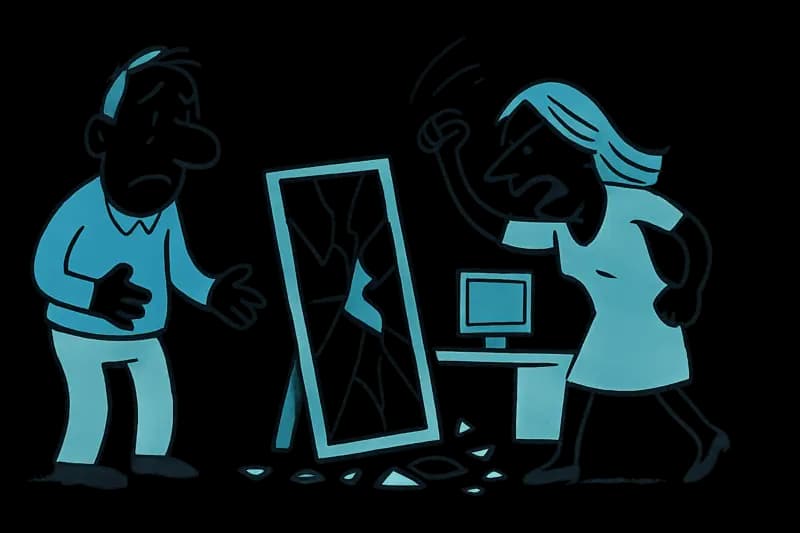
When Love Ends in Shards: Destruction in Son Vida and the Questions That Remain
In Son Vida a relationship dispute escalated: a woman destroyed furniture in a luxury villa, later pressed a panic butto...
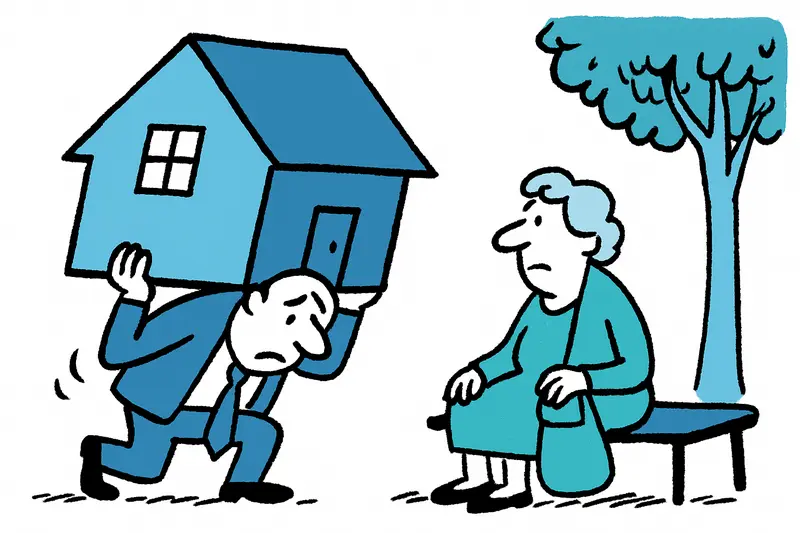
Who Bears the Burden? Mallorca Between Tenant Protection and Landlord Fears
Madrid's new housing decrees strengthen tenant rights — but on Mallorca concern is growing: will the law drive small lan...
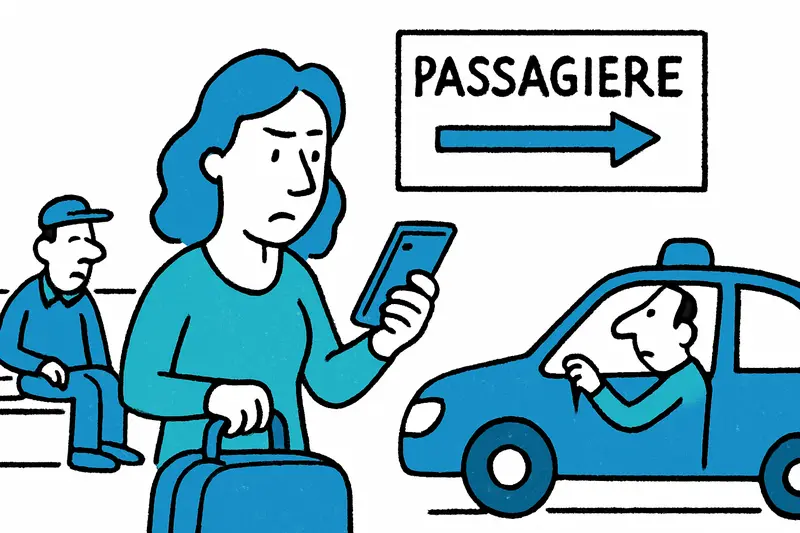
On the Edge: What Mallorca's Airport Loses If a Major Low-Cost Carrier Falters
The company that operates numerous connections from Palma to France and domestically is negotiating with creditors to re...
More to explore
Discover more interesting content

Can Cap de Bou

Townhouse Lleo 72
