
When Bits Became Hopes: Sabotage at Son Llàtzer and What Must Happen Now
In November 2023 an administrative employee at Son Llàtzer used access credentials to delete thousands of entries. Although backups restored the associations, trust, controls and responsibilities are now under debate. A look at causes, gaps and solutions for island healthcare.
When digital records carry human hopes
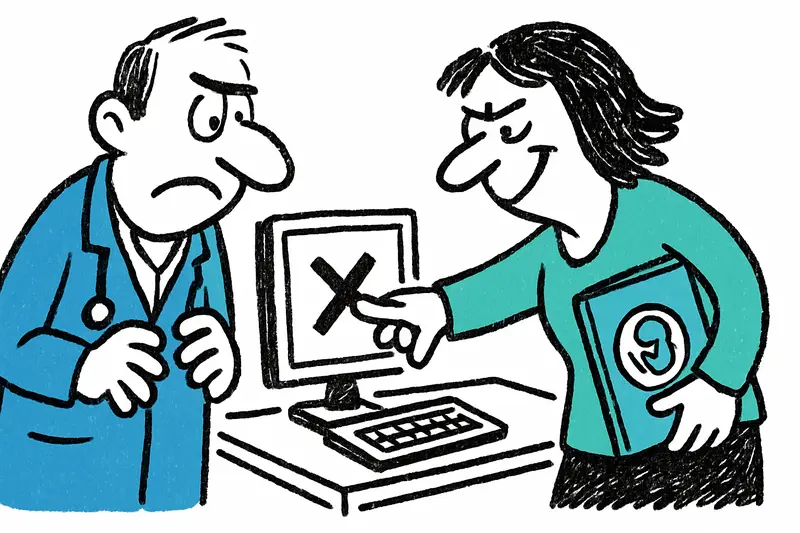
In a hospital corridor at Son Llàtzer, somewhere between the coffee machine in the cafeteria and the hallway that leads to the outpatient clinic, there was an incident in November 2023 that sounds like it came from a dark novel: a permanently employed administrative worker used her access credentials to delete records from the registry of frozen embryos and eggs. At first glance no one was biologically harmed — but for many families hopes, names and appointments were suddenly at stake.
What exactly seemed lost — and what did not
Investigations found that entries for around 1,712 embryos and about 414 eggs were removed from the administrative database. The accused admitted the manipulation and said she acted out of anger over a planned transfer. The court sentenced her to one and a half years in prison and the same length of professional ban; she accepted the verdict.
At least technically there was good news: the IT department had been making regular backups. Thanks to these backups the clinic was able to restore the associations so that the samples were never irreversibly decoupled. Biologically everything therefore remained intact — on paper, however, damage remained: hard to measure but real.
The central question: How could this happen?
The simple answer is: too much access, too few controls, too little deterrence. But there are several layers behind this. First, personnel organization: on an island with a seasonal labor market and constant pressure in healthcare, staff turnover, transfers and shortages are everyday realities, as reported at Son Espases is struggling with full wards and postponed operations. That creates emotions — and when a single employee holds far-reaching rights, frustration can suddenly become dangerous. The fragility of island systems was also visible in an IT outage that disrupted the allocation of almost 650 vacation rental slots.
Second, the IT architecture: a backup safety net is important but not sufficient. If critical changes are possible without a two-person rule, without timely checks and with inadequate logging, the door remains open for abuse. Third, corporate culture: are internal steps, transfers or grievances discussed openly? Or do they remain in back rooms where resentments grow? The need for coherent identifiers and better technical governance on the island is illustrated by a technical study for a unified, geolocated code for holiday accommodations.
What is often missing in the public debate
We talk a lot about technology and punishment, but rarely about the people who operate the systems. The question of psychological support, de-escalation in personnel decisions and transparent communication channels is central. The role of leaders is also underestimated: who monitors, who approves access rights, who thinks of emergency plans that protect not only technology but people?
Legal and ethical dimensions
A professional ban and a prison sentence are clear signals: the justice system regards the deletion of health data as a serious crime. Under data protection law, clinics are under the pressure of the GDPR regulation and national guidance from the Spanish Data Protection Agency: patient data must not only be technically secured but also managed for specific purposes and be traceable. On the ethical level, the question remains how openly clinics communicate with affected couples — transparency and fast, empathetic communication are indispensable here.
Concrete measures needed now
1. Tighten access management: role-based rights, regular reviews and the principle of least privilege. Introduce two decision-makers for critical data.
2. Close logging gaps: every change must be fully auditable and reviewed promptly — with alert thresholds for unusual mass changes.
3. Humanize personnel policy: transfers and restructurings need accompaniment, transparent reasons and contact points for complaints before frustration builds up.
4. External audits and emergency drills: regularly test IT emergency scenarios, including communication plans for patients.
5. Psychosocial services: supervision, conflict mediation and anonymous reporting channels can prevent individual colleagues from becoming the weak link.
What remains at Son Llàtzer
In the corridors of the hospital you now hear quiet voices about "trust" and "access rights", between closing doors and the occasional beep of monitors. The management announces tougher controls; staff talk of training and technical upgrades. For the families affected by the case, that is only limited consolation: legally much may be clarified, but emotionally a rift remains.
This case is more than an IT incident. It is a wake-up call for island healthcare: technology does not automatically protect against human errors — and humanity alone does not protect against technical risks.
Frequently asked questions
Why is the Son Llàtzer embryo records case such a serious issue in Mallorca?
Can frozen embryos and eggs in Mallorca be recovered after records are deleted?
What safeguards should Mallorca hospitals have for sensitive patient data?
What does the Son Llàtzer case say about hospital staffing in Mallorca?
What happens legally in Mallorca when hospital data is deliberately deleted?
How are fertility clinics in Mallorca supposed to handle patient data under GDPR?
What can patients at Son Llàtzer in Mallorca expect after a data incident?
Why are backups not enough to protect hospital records in Mallorca?
Similar News
Human chain in Manacor: 80,000 chickens, many unresolved questions
Residents and animal welfare activists formed a human chain at the Son Brau estate to protest a planned poultry farm wit...
Unrest on the doorstep: What Barcelona's riots mean for Mallorca
128 arrests in Barcelona, numerous injured and devastated shops: Why the wave of violence 260 kilometers away can also b...
Why the unrest in Barcelona should be a wake-up call for Mallorca
A TikTok call led to nighttime violence and hundreds of arrests in Barcelona, many of them minors. What is behind the ph...
Palma under the microscope: 87 arrests over forged passports – what now?
The National Police stopped 87 people at Palma airport this year with allegedly forged documents. Why are controls alone...
When a Taxi Fare Dispute in Magaluf Turned Bloody: How Safe Are Passengers and Drivers?
In Magaluf a dispute over the fare escalated: a tourist, now 18, is accused of having seriously injured a taxi driver in...
More to explore
Discover more interesting content

Can Cap de Bou

Townhouse Lleo 72
