
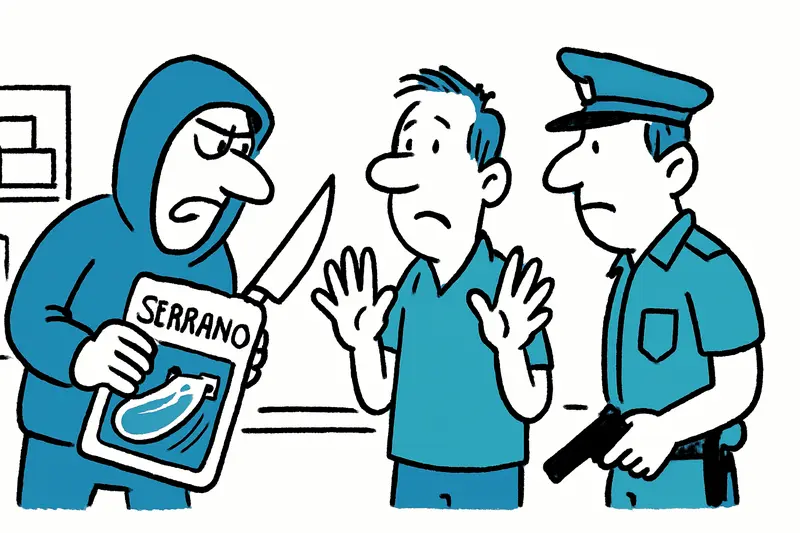
Robbery in Palma: Knife, Serrano and the Question of Store Safety
Robbery in Palma: Knife, Serrano and the Question of Store Safety
In Palma, a man threatened employees in a shop with a knife while trying to steal packs of Serrano ham. Police intervened near the old prison complex. An assessment: How safe are shops — and what is missing to better protect staff?
Robbery in Palma: Knife, Serrano and the Question of Store Safety
Last weekend an incident occurred in Palma that will be familiar to employees of small grocery shops: a man tried to steal several packs of Serrano ham and threatened staff with a knife. An emergency call was placed, and the perpetrator fled; shortly thereafter National Police officers located a suspect in the immediate vicinity of the old prison complex, also holding a knife. Arrest. A comparable case is documented in Arrest after knife attack in Pere Garau.
Key question
How well are shops in Palma protected against such attacks, and which simple measures would most effectively reduce the risk for employees?
Critical analysis
The description of the case is brief — that is common in the first hours after an operation. Nevertheless, several patterns can be identified: the combination of easily carried goods (canned-like food items, packs of ham), the use of a stabbing weapon for intimidation, and the flight into nearby neighborhoods is not new. Police were on site and were able to detain a suspect; this suggests functioning alarm channels. However, it remains unclear how quickly officers were alerted, whether bystanders provided first aid, or whether the shop had technical safeguards such as surveillance cameras or panic buttons. Such details are often missing — and with them the opportunity to speak more precisely about protective measures; similar questions about bystander intervention were raised after the incident at the Mercat de l’Olivar in Brave Intervention at Mercat de l’Olivar: Pickpocketing Prevented — But Where Was the Police?.
What is missing from the public discourse
When shop thefts are discussed, the conversation usually centers on numbers and prosecution. We rarely talk about the everyday working life of sales staff: How do they react in split seconds? Who compensates for lost wages after a traumatic experience? Or: what role do social backgrounds such as homelessness, addiction or lack of prospects play in brief, aggressive thefts? Another blind spot is prevention at the municipal level: lighting levels, sightlines in city centers and the exchange between small shop owners and the police are topics that receive little attention.
An everyday scene from Palma
Imagine the street around the Santa Catalina market on a windy morning: delivery vans rumble, street music mingles with the clinking of dishes, saleswomen sort cheese and cold cuts. A customer asks about prices, a scooter roars past and suddenly there is that tense silence when someone becomes unexpectedly aggressive. In those seconds clear rules count, a hidden alarm button under the till or the knowledge of where colleagues are in the neighborhood.
Concrete solutions
Practical, effective protection can be achieved in several steps without high costs or bureaucratic hurdles: first aid and de-escalation training for employees, easily reachable panic buttons or discreet alarm techniques, targeted adjustments to shop design (clear sightlines to the door, no narrow dead-ends behind the counter) and clearly visible but legally compliant video cameras. Also central is a local reporting system: short, structured feedback between police and business networks so that lessons from incidents are shared and do not disappear into files. Preventive social measures should not be forgotten; simple counseling services for people in need can prevent repeat offenses and reduce the risk of violence. The importance of recognizing organized tactics, such as gangs using disguises or specialized methods, is discussed in Raid in Palma: Specialized keys, disguises — and many unanswered questions.
What can be implemented quickly
Many measures can be realized in the short term: shop owners can organize trainings, test shared alarm buttons with neighboring stores and make small structural changes. The municipality can create visible presence through targeted lighting at critical points and regular patrols. Police and the chamber of commerce could also offer information evenings where experiences are shared — without large programs, but with concrete tips.
Conclusion
The incident in Palma is a warning sign: the police response was fast enough to detain a suspect. For the people who stand at the checkout every day, the question remains how safe their workplace really is. More attention to preventive measures, simple technical aids and dialogue between authorities, business owners and social services would help make shops on the island safer — and reduce the risk that a theft becomes a traumatic experience.
Frequently asked questions
How safe are small shops in Palma from robberies and knife threats?
What should shop staff in Mallorca do during a robbery threat?
Which security measures help protect grocery shops in Palma?
Why are thefts in Palma sometimes linked to cheap, easy-to-carry goods?
What can Palma shop owners do to reduce the risk of violent theft?
What kind of police response can shoppers and staff expect in Palma after a robbery?
Why is Santa Catalina often mentioned in everyday safety discussions in Palma?
What support do shop employees in Mallorca need after a threatening incident?
Similar News
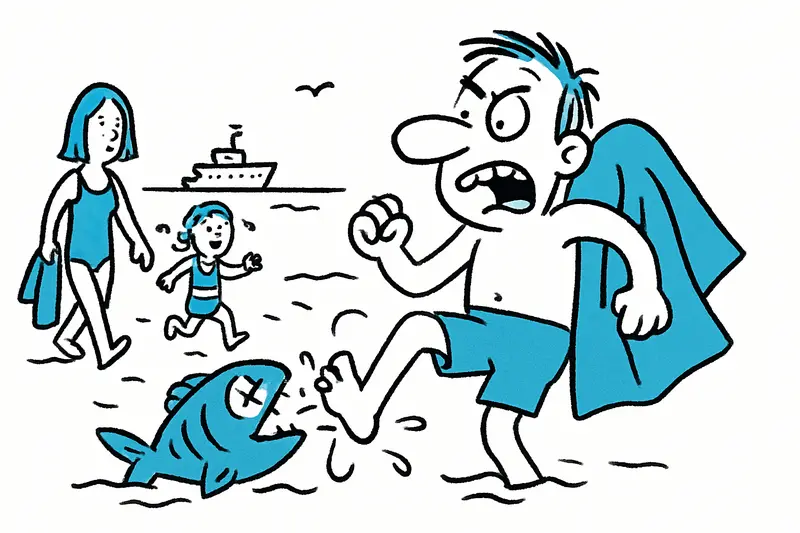
Warning to Bathers: Nipping Fish in Cala Major and Other Coves — a Reality Check
In Cala Major and several beaches around Mallorca, bathers report painful “nips”. Who are the animals, why are they gett...
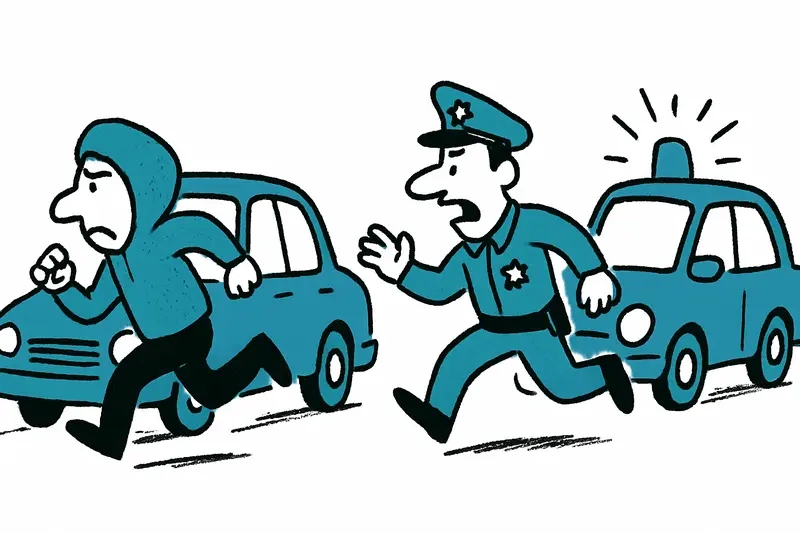
Rental Car Theft in El Arenal: What This Incident Reveals About Our Gaps
A teenager steals a running rental car in El Arenal, flees on foot, climbs over walls and is caught by the Guardia Civil...
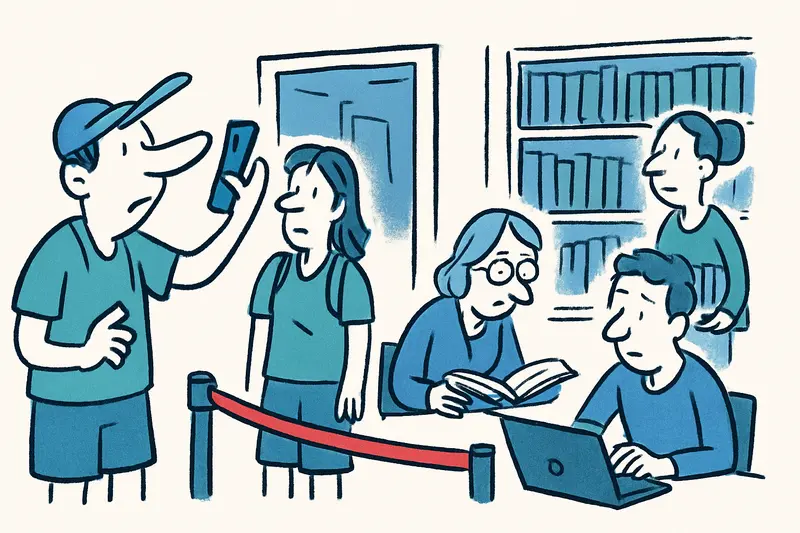
Red Rope in Palma's Library: What Helps Against Selfie Tourism — and What's Missing
Palma's city library cordoned off an area with a red rope to keep selfie tourism away from reading and working activitie...
Fort San Carlos: Museum, Harbor Dispute — and a Conflict That Demands Answers
The military museum at Fort San Carlos sits right on Palma's harbor, with unexpectedly quiet rooms filled with cannons a...
Old Town Under Pressure: When a Doorway Becomes a Sleeping and Shower Place
For months a woman has been living with a parasol, a clothes rack and personal belongings next to the social welfare off...
More to explore
Discover more interesting content

Can Cap de Bou

Townhouse Lleo 72
