
Royal Summer Week: Felipe VI in Palma – Audiences, Marivent and Sailing Plans
Royal Summer Week: Felipe VI in Palma – Audiences, Marivent and Sailing Plans
King Felipe VI has landed at Son Sant Joan and headed to Marivent. In the coming days there will be audiences at the Almudaina, a meeting with Pedro Sánchez and preparations for the Copa del Rey Mapfre.
Royal Summer Week: Felipe VI in Palma – Audiences, Marivent and Sailing Plans
Between palms, yacht sounds and official appointments
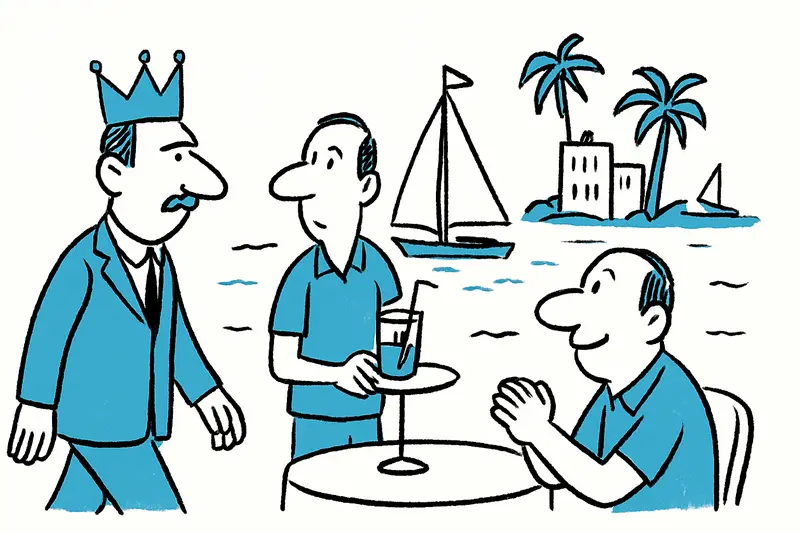
On Thursday King Felipe VI landed at the Son Sant Joan airbase and drove under calm but visible security measures toward Marivent, where earlier there was a family reception at Marivent Palace. The seaside house welcomed him with the typical mix of palm fronds rustling and the distant roar of the bay; on the Paseo Marítimo waiters stirred iced coffees while a few excursion boats drifted on the horizon. In the palace he met his mother, former Queen Sofía, as well as his sister Elena, who has since returned to the island with her children.
The arrival is not a private holiday start in the classic sense: Felipe VI has a full calendar in the coming days. For Friday morning audiences with representatives of the island authorities are scheduled at the Almudaina, an appointment that has been part of the local summer tradition for years and where direct exchange with municipal and island officials takes place. Such encounters often occur in an informal setting: short conversations, hands shaken firmly despite the heat, and notes that are later processed in administrative offices.
After the island talks the King plans a short foreign trip to the inauguration of Peru's new president, Keiko Fujimori. The visit outside Spain is part of a busy schedule; afterwards Felipe VI is expected to return to Mallorca and reside at Marivent. On Wednesday the 29th a meeting with Prime Minister Pedro Sánchez is scheduled there, a conversation unofficially described as a working meeting.
For the island the King's presence means more than just ceremonial appointments. Early August traditionally belongs to sailing in Mallorca, and the Copa del Rey Mapfre is imminent. On the first weekend of August Felipe VI plans to spend time on the water and train aboard the 'Hispania' before taking part in the competition himself. The sailing regatta always brings noticeable movement to the port, the hospitality sector and suppliers: boats, technical teams, local craftsmen and beach cafés feel the demand.
A small, concrete image: At Moll Vell fishermen who usually have breakfast are briefly puzzled when security vehicles roll up, but in the evening the waterfront terraces fill again with guests who discuss sheets, flags and yacht names. For many restaurateurs and hoteliers these weeks are a real breather in an otherwise hectic summer season; for the sailing clubs the royal presence brings attention to youth projects and infrastructure issues.
The mood in Palma is a mix of routine and a little excitement. Residents report that the streets around Marivent and the Almudaina become quieter at times; at the same time more police officers are on duty, who mostly act discreetly. On the boulevards you hear the rattle of suitcase wheels, children's laughter and now and then the distant clatter of rigging. The heat, currently around 31 degrees, even makes the guards gulp from their water bottles.
For the island this is a short but visible signal: Mallorca remains a stage of national representation, a theme explored in Royal Memoirs and Mallorca. Such visits are not only symbolic; they create occasions where everyday local concerns can be heard. The appeal lies in the fact that official meetings here can be more closely linked to the pulse of the island than in bureaucratic rooms far from the sea.
What remains? Anyone who settles on Passeig Mallorca on a summer evening and listens to the calls of the seagulls can observe how politics, protocol and island everyday life intertwine: a traffic of ships, conversations and small gestures that keep the engine room of everyday life running. Whether one will later find royal words in proceedings is uncertain; what is certain is that Palma is once again a little more in the spotlight for a few days — for the club, the beach bar and the people who live here.
A look ahead: The upcoming audiences, the meeting with the government and the sailing regatta will keep the island in motion. For hoteliers, sailing clubs and market waterfronts this means extra work, for many residents a feeling of involvement. And for all those hoping for a greeting from the water, Palma remains in these weeks a place where you can experience beach, city and a piece of state life at the same time.
Frequently asked questions
What is the schedule during King Felipe VI's Palma visit?
What is the Copa del Rey Mapfre and why is it tied to the king's visit?
Where is Marivent, and what is its role during the royal stay?
Where are audiences with island authorities held during the visit?
How does the royal visit affect daily life and the economy around Palma's waterfront?
What should visitors expect to see around Moll Vell and Mallorca's harbours during the visit?
What weather can visitors expect in Palma during this period and how should they dress?
Why is the royal visit considered significant for Mallorca beyond formal ceremonies?
Similar News

Rental Car Theft in El Arenal: What This Incident Reveals About Our Gaps
A teenager steals a running rental car in El Arenal, flees on foot, climbs over walls and is caught by the Guardia Civil...

Red Rope in Palma's Library: What Helps Against Selfie Tourism — and What's Missing
Palma's city library cordoned off an area with a red rope to keep selfie tourism away from reading and working activitie...

Fort San Carlos: Museum, Harbor Dispute — and a Conflict That Demands Answers
The military museum at Fort San Carlos sits right on Palma's harbor, with unexpectedly quiet rooms filled with cannons a...

Old Town Under Pressure: When a Doorway Becomes a Sleeping and Shower Place
For months a woman has been living with a parasol, a clothes rack and personal belongings next to the social welfare off...

When Shopping Weighs Heavier: Mallorca Demands a Tax Pause on Food and Fuel
Rising prices are putting pressure on households and agriculture. The Balearic Islands are calling for temporary tax rel...
More to explore
Discover more interesting content

Can Cap de Bou

Townhouse Lleo 72
