
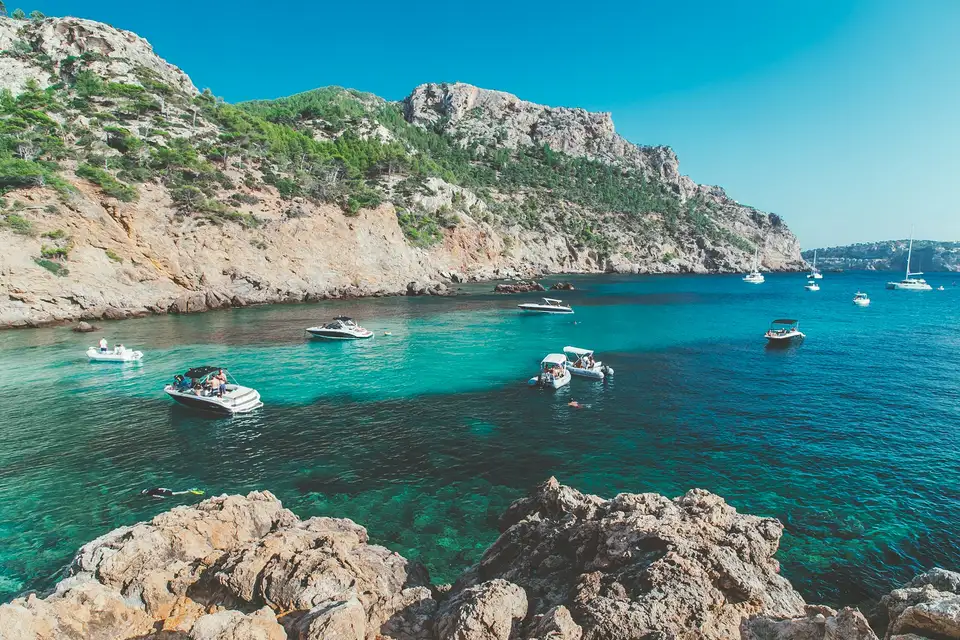
Reality Check Sa Calobra: When Photo Stops Paralyze the Mountain Road
The narrow access to Sa Calobra gets stuck in traffic every summer day: 700–800 private vehicles face only around 300 parking spaces. Who's to blame — and what needs to be done now?
Reality Check Sa Calobra: When photo stops paralyze the mountain road
Key question: How long can a narrow mountain road like the MA-2141 withstand the daily influx of 700–800 private vehicles when there are only a little more than 300 parking spaces available?
It's hot, the engine hums, Spanish pop music plays from the speakers — and nothing moves before the next hairpin bend. That's a typical August day on the road to Sa Calobra. People get out, pose for selfies, get back in the car, and drive on. A coach falls 50 minutes behind schedule, a driver counts more than 200 cars that simply keep going despite an electronic sign reading "Full".
This scene illustrates a systemic problem: a spectacular landscape meets mass tourism without appropriate infrastructure. The municipality of Escorca has put figures on the table: on peak days between 700 and 800 private cars head for the bay or Cala Tuent. Sa Calobra has a little more than 300 parking spaces; Cala Tuent offers roughly another 100. The numbers don't add up — and the result is traffic jams, frustration and safety risks (Son Espases daily parking chaos).
Critical analysis: Who is responsible? At the local level, the administration is trying to counter the situation with warning signs, a barrier and an officer redirecting vehicles. But local measures hit their limits when the problem is regional and seasonal. Intervention by the Spanish traffic authority (DGT) would make sense at a higher level — for example to examine clear right-of-way rules, temporary access restrictions or a regulated ticketing system. Without coordination between the municipality, the island administration and the DGT, measures remain piecemeal.
What's missing in the debate: three topics are mentioned too little. First: data-driven management — real, up-to-date figures on arrival density, not just estimates. Second: the role of rental car providers and platforms that broker short-term rentals and vehicles to tourist groups. Third: alternative offers for visitors, such as reliable shuttle solutions (see Formentor shuttle usage figures), intelligent park-and-ride points or time-slot based access that avoid long waiting times.
Everyday scene from Mallorca: on a hot morning you see people with beach towels next to people with cameras who return to their cars five minutes later. A kiosk owner says customers often come only for a few photos; a local bus driver rolls his eyes because there are no safe turning or maneuvering areas. The sounds are typical: idling engines, voices in several languages, occasionally a sharp brake when a group suddenly crosses the road.
Concrete measures that could have a quick effect: 1) Temporary access controls during peak times, managed by electronic capacity displays at strategic points. 2) A short, binding time-slot system for rental cars and buses — booked online before departure or at park & ride stations. 3) Expansion of park-and-ride areas on the main route with air-conditioned shuttles to the bay (cf. Sóller parking plans for three new areas). 4) Cooperation with rental car companies: mandatory information on restricted times and capacity warnings when completing the booking. 5) Increased enforcement and fines for vehicles that drive on despite a "full" sign and thus create backlogs.
Longer-term ideas: a digitally controlled traffic management system for the Tramuntana that links data from mobile signs, parking sensors and shuttle schedules. Or a visitor cap for sensitive times of day enforced through ticketing. Such measures cost money, require coordination and public acceptance — but the costs are lower than permanent damage to roads, lost revenue for regular bus services and reputational damage to the island.
Who pays for it? A mix of Balearic funding, co-financing through tourism levies and contributions from the rental car industry would be conceivable. Transparency is important: funds must be earmarked for traffic management, not diverted to general budgets.
Pointed conclusion: Sa Calobra is not an isolated case but a symptom of poorly managed visitor pressure. In the short term, clear enforceable rules are needed at the access points. In the medium term, digital control and real alternatives to private traffic are required. If politicians continue to hesitate, the island's most beautiful spots will remain just a photo backdrop during peak times — for a few seconds, accompanied by a ten-minute traffic jam.
One final thought: people who live here know every bus and bend ritual. Locals are not against visitors — they want solutions that restore respect for the landscape, safety and livelihoods. That, not another roadside sign, should be the agenda.
Frequently asked questions
Why does Sa Calobra get crowded on Mallorca’s peak days?
What practical steps can I take to visit Sa Calobra with less hassle?
What traffic management ideas are suggested for Sa Calobra?
How does parking at Sa Calobra compare with Cala Tuent?
What role could the DGT play in managing access to Mallorca's popular spots?
What long-term solutions are proposed for keeping traffic under control on Mallorca's Tramuntana routes?
Who should fund traffic management improvements around Sa Calobra?
What is the main takeaway about Sa Calobra and visitor pressure in Mallorca?
Similar News

Palma's Subway Project: Environmental Review Begins — More Questions Than Answers
The environmental review for Palma's planned subway extension to Son Espases has started, raising concerns and unanswere...

When Tents Return by the Sea: Palma Between the Congress Palace and Sleeping Places
Tents repeatedly appear in Albert Camus Park and on the beach at Can Pere Antoni. Why don't evictions solve the problem ...
Alleged Rape in Palma: How Home Videos Changed the Investigation
A woman reports an assault in Palma. Secretly recorded videos are said to have supported her account. Why migrant women ...

After Major Partners Exit: Palma Rewrites the Rules for the Waterbus
The port authority has changed the rules for the planned waterbus: removal of rigid minimum revenue guarantees, higher u...

Rats in Llucmajor: How Uncollected Garbage Became a Health Problem
In Llucmajor, uncollected trash bags, overflowing containers and rain are leading to increased rat sightings. An assessm...
More to explore
Discover more interesting content

Can Cap de Bou

Townhouse Lleo 72
