
Rats in Llucmajor: How Uncollected Garbage Became a Health Problem
Rats in Llucmajor: How Uncollected Garbage Became a Health Problem
In Llucmajor, uncollected trash bags, overflowing containers and rain are leading to increased rat sightings. An assessment and concrete proposals for solutions.
Rats in Llucmajor: How Uncollected Garbage Became a Health Problem
Key question: How did it come to this — and what must happen now?
On the Ronda Migjorn, just before the small sports field, the morning air carries more than the scent of coffee. On rainy days the smell of damp waste mixes with the sharp tang of petrol when delivery drivers pass by on their scooters. There and on Avinguda de Carles V residents have been reporting for weeks sightings of large rodents emerging from manhole openings or lying at the roadside — torn open, run over, visible to everyone's annoyance.
The observation is clear: In several districts of the municipality trash bags and bins are left uncollected, bulky waste is not picked up regularly, and after heavy rain rats increasingly come up from the sewer system, as reported in Trash Chaos in s'Arenal: Residents Mobilize — Demonstration in Front of the Town Hall.
The combination of easily accessible food, damp weather and insufficient cleaning creates ideal conditions for a spread. Numerous stray cats searching the piles for something to eat add to the situation. The combination of easily accessible food, damp weather and insufficient cleaning creates ideal conditions for a spread.
Critical analysis: The problem has several layers. In the short term it is a hygiene issue — exposed waste attracts animals and increases the risk of disease and traffic accidents. In the medium to long term there is an organizational failure behind it: if collection schedules are not kept and the street network is cleaned irregularly, that is enough to favour urban pests. Technical causes such as leaking gullies or outdated sewer pipes that overflow during heavy rain worsen the situation further.
What is missing from the public debate: so far usually only the visible symptom — dead rats or overflowing sacks — is complained about. What is lacking are binding figures, clear communication from the municipality about waste logistics and information on planned countermeasures. The responsibility of property managers and retailers, who in some neighbourhoods do not adequately secure private waste areas, is also hardly discussed; a related case was reported in Marratxí: When separated bags end up in the same truck — video causes uproar in Carrer Major. And: the health precaution plan for residents, schools and food businesses is not publicly explained.
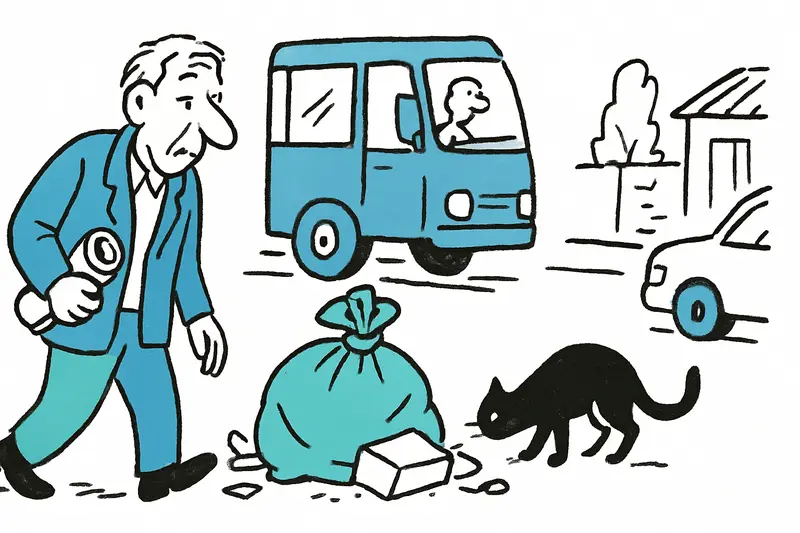
An everyday scene: It is seven o'clock, a school bus stops on Avinguda de Carles V. An older man with a rolled-up newspaper steps into the frame, his footsteps crunch on bits of cardboard. A black cat brushes past, pauses, sniffs — and disappears into an alley. A delivery van drives slowly by and someone calls out the window that the rubbish collection is late again. Such small moments show how much the problem interferes with daily life.
Concrete, immediately implementable solutions:
1) Immediate cleaning and emergency control: Deploy special cleaning teams in the affected neighbourhoods, coordinated collection of left-behind bags and joint operations with certified pest control specialists following health regulations.
2) Secure disposal: In the short term, place more lockable, robust containers at heavily frequented spots; in the medium to long term, consider permanent collection islands with access locks. Long-term measures may include new processing infrastructure such as a new biowaste facility for Llucmajor.
3) Sewer and drainage check: Technical inspection of the sewer system in the affected zones, cleaning of gullies and repair of leaking spots that bring animals to the surface during heavy rain.
4) Transparency and accountability: Public documentation of collection schedules, sanctions for non-compliance by service providers, mandatory reporting systems for citizens and clear contact information for the municipal administration.
5) Community solutions: Cooperation with animal welfare organizations for feral cat management (neuter-and-return programs) instead of mere feeding; information campaigns for homeowners and business owners about secure waste storage.
What to bear in mind: Pest control must be lawful and environmentally compatible. Poison baits without professional supervision are not a solution — they endanger pets and migratory birds. Only a combination of cleaning, securing food sources and technical maintenance is successful.
Conclusion: The situation in Llucmajor is a local wake-up call. It is not merely an aesthetic problem but a matter of hygiene, health and municipal governance. The municipality must act transparently now, set priorities and combine short-term emergency measures with long-term infrastructure and prevention plans. Residents need clear information — and the street at Ronda Migjorn needs clean corners again so that the school route does not become a public health concern.
Frequently asked questions
When is Mallorca's peak tourist season and how does it affect crowds and prices?
Is it possible to swim in Mallorca year-round or are there seasonal limits?
What should I pack for a Mallorca trip in spring and autumn?
How can I get around Mallorca without a car?
Are there family-friendly beaches in Mallorca?
What are good day trips from Mallorca’s capital, Palma?
What kinds of outdoor activities are popular in Mallorca?
How should I plan a balanced Mallorca itinerary that mixes coast and mountains?
Similar News
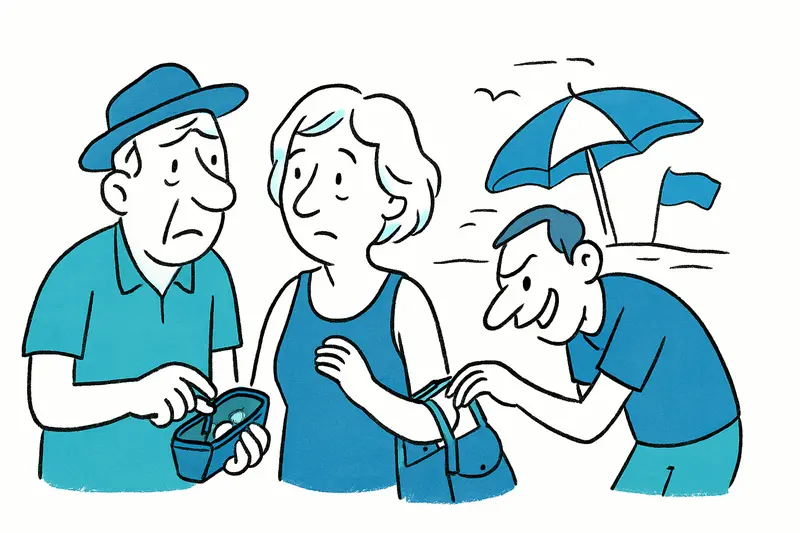
Sly Distraction Scam at Ballermann: How Tourists Became Targets — and What Must Be Done Now
Five suspected pickpockets were arrested. Their method: distract, secure the loot, return the wallet — without the cash....
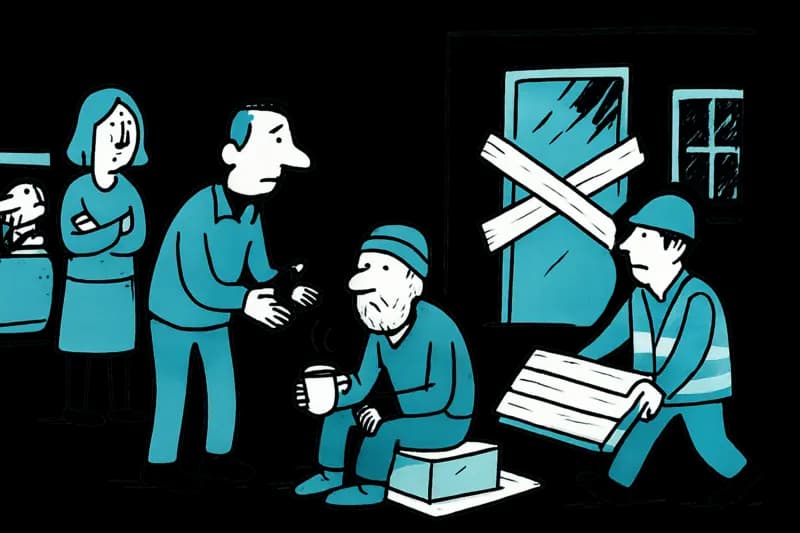
Eviction in El Arenal: Who protects neighbors — and who protects the homeless?
A vacant hotel on Carrer Girona was cleared and secured. The neighborhood breathes a sigh of relief. But the action trea...
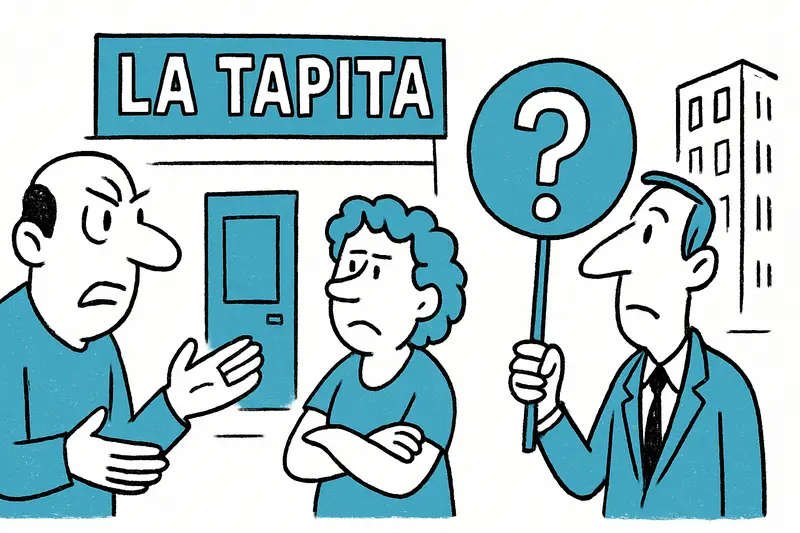
'La Tapita' loses its home: Who will protect Palma's last affordable meeting places?
The bar 'La Tapita' on Simó-Ballester Street will close at the end of December. For neighbors, police officers and small...

Million Heist at Bulgari: Who Is Responsible for Palma's Security Gaps?
Three men stole jewelry worth around one million euros – the crime series began at the end of September and was likely c...

Who pays the bill? Tourists, prices and the reality in Mallorca
Rising costs are felt by travelers and locals alike. A walking observation through Palma's old town shows how tourists e...
More to explore
Discover more interesting content

Can Cap de Bou

Townhouse Lleo 72
