
Million Heist at Bulgari: Who Is Responsible for Palma's Security Gaps?
Million Heist at Bulgari: Who Is Responsible for Palma's Security Gaps?
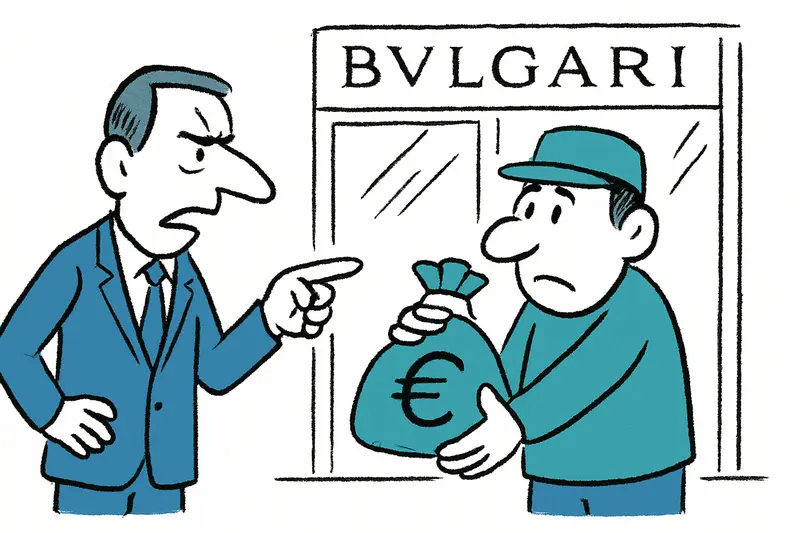
Three men stole jewelry worth around one million euros – the crime series began at the end of September and was likely coordinated from an apartment in Cas Capiscol. Instead of only talking about punishments, we should ask: What did the system fail to do?
Million Heist at Bulgari: Who Is Responsible for Palma's Security Gaps?
The convictions have been handed down – but the questions remain
Key question: Why was a seemingly well-organized gang able to repeatedly rob delivery vans in Palma and make off with jewelry worth around one million euros without being stopped earlier?
The facts are clear: At the end of September several robberies began, and the actions escalated on 2 October 2025, when valuables were stolen from a van destined for the luxury store Bulgari on Passeig del Born. The defendants are said to have acted according to the same pattern: renting vehicles, inconspicuously following delivery vans, making minor manipulations to the locking mechanism and concealing the opening with a sticker. The National Police were ultimately able, using footage and investigations into a rental car company, to identify two men; a third suspect remains unknown. The courts handed down prison sentences of three years and nine months and four years and three months; one in custody.
Anyone who now looks only at the length of the sentences overlooks something crucial: this was not just about isolated acts, but about a division-of-labor machine that was controlled from an apartment in the Cas Capiscol district and apparently operated for several days in succession. Between 29 September and 1 October three delivery vans are said to have been robbed in Palma, with individual hauls reported at €4,700 to €5,100 – up to the million at Bulgari. When a system fails so repeatedly, the blame cannot be placed solely on the perpetrators.
What is strikingly absent from the public debate is the question of responsibilities beyond criminal prosecution: How do logistics companies secure high-value consignments? What checks do rental car firms perform at handover? How effective is the cooperation between retailers, security firms and the police in real time? Especially in the Passeig del Born area, where delivery traffic, residents and tourists converge, clearer procedures are needed.
An everyday scenario in Palma provides perspective: on an autumn morning, when cafés open and emptying trucks rumble across Plaza Weyler, a delivery van parks in a side street. One driver carries a sturdy bag with jewelry, a second supplier pulls up. Motorbikes ring, tourists photograph the facades. Such everyday hecticness is perfect for offenders who rely on routine: a brief moment of distraction, a flaw in the lock, and the cargo is gone. The sound of a drill would barely be noticed in this environment.
There are concrete approaches to solutions; they are practical and do not require turning every situation into a security state: First, better packaging and security standards for high-value shipments – tamper-proof seals, visible tamper indicators and agreed handover protocols. Second, clear rules for rental car companies: identity checks, digital driver logs and cooperation in cases of suspicion. Third, standardized procedures for deliveries in city centers: only designated loading zones, escorting valuable consignments by certified escort services, fixed time windows. Fourth, improved use of data between retailers and police: faster exchange of video material, standardized reporting channels and designated contacts for investigations.
It would be naive to believe that higher penalties alone would prevent repeats. Technical obstacles, organizational gaps and everyday hecticness must be addressed. Neighborhood initiatives and shop owners can also contribute: anyone who notices unusual stops in side streets or reports sticker residues on locks provides important clues – sometimes faster than an anonymous hotline.
Conclusion: The sentences against the accused are important, but they are only the beginning. Palma needs practical rules for the transport of valuable goods, stricter controls on rental car handovers and a better connected reporting system between trade and police. Otherwise Passeig del Born will remain a particularly rewarding target – for perpetrators and for discontent in the neighborhood.
Frequently asked questions
When is the best time to visit Mallorca for good weather and outdoor activities?
Is it safe to swim at Mallorca's beaches year-round?
What should I pack for a Mallorca trip in spring?
Are Mallorca beaches suitable for families with kids?
How can I get around Mallorca without a car?
Which towns or regions are worth visiting on a first trip to Mallorca?
What activities should I try in Mallorca beyond the beaches?
Are there seasonal events or local holidays in Mallorca travelers should know about?
Similar News

'La Tapita' loses its home: Who will protect Palma's last affordable meeting places?
The bar 'La Tapita' on Simó-Ballester Street will close at the end of December. For neighbors, police officers and small...

Who pays the bill? Tourists, prices and the reality in Mallorca
Rising costs are felt by travelers and locals alike. A walking observation through Palma's old town shows how tourists e...

Phone robbery at Playa de Palma: Two juveniles arrested — a reality check
On Monday morning three young women were attacked at Playa de Palma; two youths snatched a phone from one of them. The N...

It keeps growing: Illegal waste dump on the Ma-15 near Son Gual angers residents and motorists
On the Palma–Manacor expressway, near the former Los Últimos Mohicanos restaurant and the Son Gual development, an illeg...

When the State Pays Late: Why Ryanair Is Now Claiming Interest from Spain
A court in Madrid has ruled that the state must pay interest to Ryanair for delayed reimbursements of the resident disco...
More to explore
Discover more interesting content

Can Cap de Bou

Townhouse Lleo 72
