
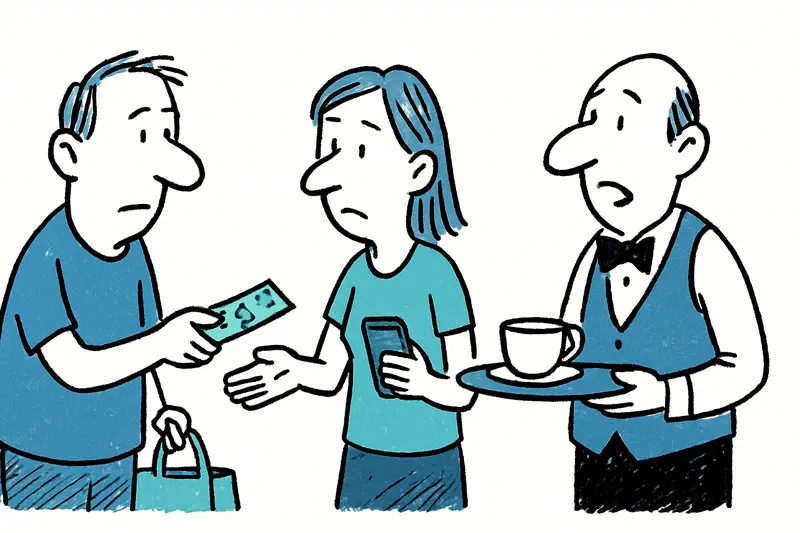
Who pays the bill? Tourists, prices and the reality in Mallorca
Who pays the bill? Tourists, prices and the reality in Mallorca
Rising costs are felt by travelers and locals alike. A walking observation through Palma's old town shows how tourists evaluate prices — and what is often missing in the conversation: the perspective of employees and infrastructure.
Who pays the bill? Tourists, prices and the reality in Mallorca
Guiding question: How are rising prices in Mallorca changing tourist behavior — and what consequences does that have for everyday life and work on the island?
On a windless morning in Palma's old town, the clicking of heels on the paving stones of Carrer de Sant Miquel mixes with the scent of freshly brewed coffee from a small bar and the distant hum of motor scooters. German tourists stroll by, some with shopping bags, others looking at their phones to check the map. Right there, between Passeig del Born and Plaça del Mercat, what the numbers already indicate becomes visible: the island is no longer exactly cheap — but the reality is more complicated than a headline.
In the alleys you hear the same keywords that also appear in studies and statistics: higher fuel prices, noticeable food price inflation in the Balearic Islands, dinner becoming a luxury in Mallorca's restaurant scene, rental costs for holiday apartments and rising ticket or transfer prices. Some guests — like a couple from Osnabrück — still find beer and transfers acceptable (a private transfer from Cala d’Or to Palma and Ballermann was quoted to them at €41), but sometimes describe cocktails as "a shock" (price ranges of about €13 to €18 were mentioned). Others say: coffee and breakfast are sometimes cheaper than at home, while others note: gasoline empties the wallet particularly quickly.
Critical analysis
Price increases are not a local phenomenon; they reflect Europe-wide inflation, energy prices and supply chain problems. But Mallorca faces additional factors: high seasonal demand, costs for tourist infrastructure, and a labor and housing market in which wages, rents and operating costs react in different directions. That shifts the relationship between what guests pay and what reaches employees and small business owners.
One central problem often remains invisible: prices are discussed primarily from the guests' perspective. In the conversations on Passeig del Born or Avenida Jaume III the voices of service staff, taxi drivers or market vendors — who experience the downside of this development — are almost always missing. It is equally rare to hear concrete assessments of how seasonal peaks affect personnel planning, housing and supply chains.
What's missing in the public discourse
Three perspectives are missing: those of employees, small businesses and long-term transport and housing policy. Discussions about "more expensive" or "cheaper" remain ineffective if the costs of staff accommodation, bus networks or regulated taxi fares are not addressed at the same time. Nor is there often a public evaluation of how more sustainable tourism could dampen the price spiral.
Everyday scene
In front of Plaça del Rosari a father sits with his daughter over a cup of café con leche; they say prices have so far been "okay and affordable." A few steps further a mechanic is repairing a scooter — fuel prices and spare part costs are existential for him. These small scenes summarize what global figures do not show: a web of interests that tightens with every price increase.
Concrete solutions
More price transparency: Local information leaflets or digital notices listing typical costs for transfers, taxis and menus help tourists plan and put pressure on excessive markups.
Strengthening public transport: Better-timed bus connections and fair fares reduce dependence on individual transfers and ease fuel cost burdens for both guests and workers.
Support for employee housing: Municipal or private initiatives for affordable housing near tourist centers secure the workforce and prevent wage increases from being passed on exclusively into higher prices.
Support for small vendors: Weekly markets and targeted promotion of local products can keep purchasing power within the island's economy and offer price alternatives to visitors.
Conclusion
Many people feel that Mallorca is getting more expensive — but the real problem is not the price of a single cocktail, it is how price shifts reorder life and work on the island. Those who talk only about vacation costs overlook the people who make the island function every day. A more honest debate must connect both sides: useful price information for guests and concrete measures for the people who live and work here.
Frequently asked questions
When is the best time to visit Mallorca for pleasant weather and fewer crowds?
What should I pack for a Mallorca trip in spring or autumn?
Is Mallorca safe for swimming and which beaches are good for families?
What’s the best way to get around Mallorca to see multiple towns?
What activities can I enjoy in Mallorca besides the beach?
How should I plan for Mallorca's weather when packing?
How can I travel Mallorca on a budget without missing highlights?
Do shops and restaurants in Mallorca follow siesta hours or close on Sundays?
Similar News
'La Tapita' loses its home: Who will protect Palma's last affordable meeting places?
The bar 'La Tapita' on Simó-Ballester Street will close at the end of December. For neighbors, police officers and small...
Million Heist at Bulgari: Who Is Responsible for Palma's Security Gaps?
Three men stole jewelry worth around one million euros – the crime series began at the end of September and was likely c...

Phone robbery at Playa de Palma: Two juveniles arrested — a reality check
On Monday morning three young women were attacked at Playa de Palma; two youths snatched a phone from one of them. The N...
It keeps growing: Illegal waste dump on the Ma-15 near Son Gual angers residents and motorists
On the Palma–Manacor expressway, near the former Los Últimos Mohicanos restaurant and the Son Gual development, an illeg...

When the State Pays Late: Why Ryanair Is Now Claiming Interest from Spain
A court in Madrid has ruled that the state must pay interest to Ryanair for delayed reimbursements of the resident disco...
More to explore
Discover more interesting content

Can Cap de Bou

Townhouse Lleo 72
