
Arrest after Jewelry Heist in Palma: Questions Remain
Arrest after Jewelry Heist in Palma: Questions Remain
A 38-year-old man was apprehended in Barcelona. The theft on the Paseo del Born targeted a shipment of Bulgari jewelry worth nearly one million euros. What does this say about security and coordination?
Arrest after Jewelry Heist in Palma: Questions Remain
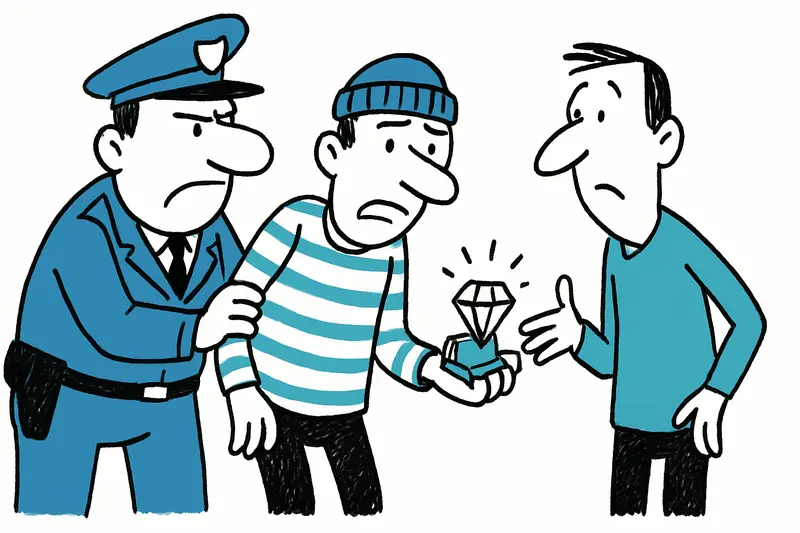
The report on the Paseo del Born jewelry heist landed like an intrusion into the usual café conversations on a damp morning in Palma: In Barcelona a 38-year-old man has been arrested, whom investigators accuse of involvement in a jewelry robbery on the Paseo del Born on October 3. During the raid, Bulgari jewelry worth just under one million euros was stolen from a delivery van. One accomplice is already in pre-trial detention after his arrest at Palma airport, and a third alleged perpetrator remains on the run. According to investigators, the man now arrested has numerous prior convictions.
Key question
How can such spectacular transports of luxury goods on Mallorca be better protected when perpetrators apparently move quickly between the island and the mainland?
Critical analysis
The case exposes several weaknesses in a system designed for fast goods flow and tourist openness. First: value transports in densely built, tourist areas like the Paseo del Born are a logistical balancing act. Delivery vans must unload, retailers do not want to close for long, and passersby should not be disturbed. That creates gaps that gangs exploit. Second: the arrest of a suspect in Barcelona and the detention of another at the airport indicate high mobility of the perpetrators — flight connections play a role. Third: repeat offenders being involved shows that prosecution alone apparently does not deter enough. It's not just about surveillance, but about prevention within the supply chain.
What is missing from the public discourse
In common debates people often talk about “security,” but rarely focus on the supply chain itself: who organizes these transports, how are they insured, which routes do shippers choose, and how do you stop the resale of stolen luxury goods? Also seldom discussed is the question of effective international information chains between the Balearic police, airport services and mainland police forces – this case shows how quickly suspects can move via airports. Demand on the secondhand or grey market for branded jewelry also remains a blind spot in public debate.
Everyday scene from Palma
Anyone who searches the trees for birds in the morning on the Paseo del Born immediately notices: the street lives off the shop windows, delivery vans that stop briefly, retirees with dogs and tourists taking photos. A small van parks, two men load boxes; hardly anyone looks twice. These everyday scenes provide cover for criminals because attention and routine are the thieves' best allies.
Concrete solutions
- Mandatory escort for the transport of high-value jewelry shipments in sensitive zones: a second discreetly equipped vehicle or a uniformed escort.
- Mandatory GPS and alarm systems for delivery vans carrying goods above a documented minimum value; combined with rapid response teams this would minimize escape time.
- Better video surveillance at main delivery points with timestamps, combined with central analysis and a direct reporting chain to the Guardia Civil or the Mossos d'Esquadra in case of suspicion.
- Faster cross-border data sharing between the Balearic Islands and Catalonia, especially passenger data for flights in concrete suspicion cases (while respecting legal standards).
- Raising awareness among retailers: consolidate delivery windows, train staff, change routines; sometimes a small organizational change is enough to unsettle perpetrators.
- Controls on the secondhand market and at pawnshops: identification requirements for expensive branded items reduce the convertibility of stolen goods.
A concrete proposal for Palma
The city could quickly start a pilot: designated delivery zones for luxury goods with temporary police presence during high-traffic time windows. Not as a show, but as a targeted instrument to disrupt routine processes and provide carriers with secure time windows.
Conclusion
The arrest in Barcelona is a success for the investigators. But it does not answer the larger question: how do we ensure that valuable deliveries in an open city are protected without suffocating the normal pulse of the neighborhood? The answer lies less in increased distrust than in smarter organization: technology, cooperation between authorities and changed delivery habits. And of course in the attention of local people – the retiree with the dog, the delivery driver, the waitress on Calle Sant Feliu. They are the first to notice when something is out of the ordinary.
Frequently asked questions
Why was a man arrested in connection with the jewelry heist in Palma?
How are luxury jewelry deliveries in Palma supposed to be protected better?
Why are airport arrests important in the Palma jewelry robbery case?
What makes the Paseo del Born in Palma difficult to secure?
Does Palma need special delivery zones for valuable goods?
How can police in Mallorca and Catalonia work together more effectively?
What role does the secondhand market play in stolen luxury jewelry?
What can shops in Palma do to reduce the risk of jewelry theft?
Similar News
Yellow Alert: Is Mallorca Prepared for the Next Rain Band?
Aemet has issued a yellow alert for the south, southwest and the island's interior. Thunderstorms and heavy rain are for...
Kegel brothers trial postponed: Why Mallorca must wait for a verdict
The trial of 13 German holidaymakers will not begin until May 2028. The long wait raises questions — for victims, defend...

Chaos on Palma's Runway: Why the Summer at the Airport Was So Disrupted
This summer laid bare where Palma airport is faltering: only just over half of departures were on time and seven percent...

Cocaine Offer on Ham Street: Why the Open Trade Should Ring Alarm Bells
In the middle of Pare Bartomeu Salvà a tourist was offered a packet of cocaine as part of a sunglasses deal. A short int...
Yellow Alert on Mallorca: Next Rain Front Approaches — Is the Island Ready?
Aemet issues yellow warnings for the south, southwest and central Mallorca: thunderstorms and heavy rain will push down ...
More to explore
Discover more interesting content

Can Cap de Bou

Townhouse Lleo 72
