
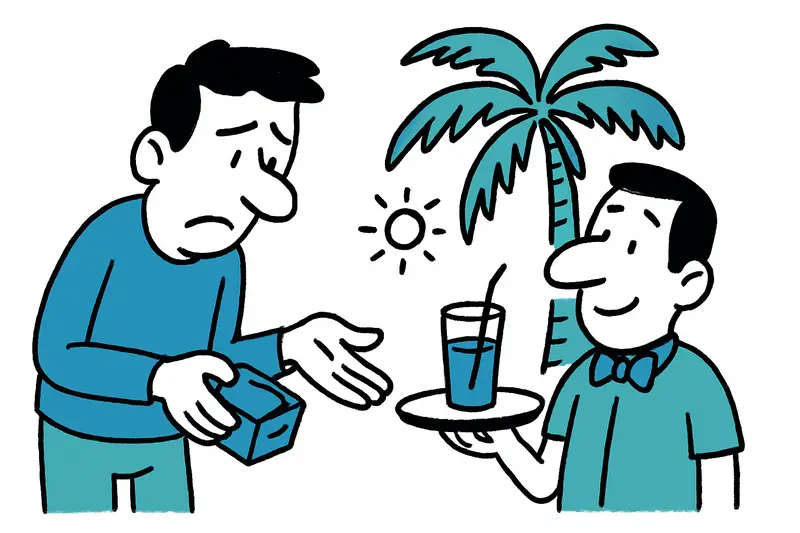
Salaries in Mallorca: Who gets by on their pay?
Salaries in Mallorca: Who gets by on their pay?
A new analysis shows: Many workers in the Balearic Islands earn far less than they need to survive. Key question: Why is there a gap between wages and the cost of living in Mallorca?
Salaries in Mallorca: Who gets by on their pay?
Key question: Why is there a gap between income and everyday costs on the island?
Early in the morning at the Plaça Major: delivery vans honk, market traders fill boxes, the city wipes the dew from the paving stones. Between them, waitstaff in a bar on the Paseo Marítimo tell me they have almost nothing left at the end of the month. This is not an isolated case, but the everyday backdrop behind the figures of a recent study on income conditions in the Balearic Islands, as reported in Rising Cost of Living in Mallorca: Who Pays the Price?.
The study gives a clear number: To get by reasonably well on Mallorca, a net income of roughly €30,330 per year would be needed. That corresponds—if one assumes 12 monthly salaries—to about €2,530 net per month. By contrast, the actual average earnings are around €23,130 per year. The gap is even more pronounced further down: more than a third of employees earned less than €15,120 in 2023.
The figures are striking. They indicate that many jobs here mean working but not really living. You feel it in small everyday details: the young construction worker who sits on the bus after work with a thermos on his lap; the cleaner who serves three households; the waitress who sits among tourists but lives in a cramped flat outside the city — similar daily realities are examined in Why Food Is Noticeably More Expensive in Mallorca — and What We Can Do About It.
Critical analysis: Where does the problem come from? On the one hand, seasonal employment, mini-jobs and fixed-term contracts shape the labor market picture. Tourism brings many jobs, but not always permanent or well-paid ones. Sectors such as hospitality, retail and services often pay at the lower end. On the other hand, housing costs, transport and childcare on the island are not moderate. When wages lag behind living costs, a structural problem builds up over years; this tension is explored in Inflation Falls, Costs Remain: Who Pays the Price in Mallorca?.
Another factor is the distribution of wages: averages obscure how wide the range is. A few well-paid management positions pull the mean up, while a large number of precarious jobs suffer beneath it. More than a third earning under €15,120 a year means many people work without earning an adequate income.
What is often missing from public discourse are concrete, everyday perspectives. People talk about percentage points and fiscal instruments, but rarely about how, for example, a cheaper bus pass for families or an affordable childcare place in Port d'Alcúdia would change daily life. Also underexplored is how many local companies pay 14 instead of 12 salaries—a practice that noticeably changes employees' net budgets.
Everyday scene: Around 6 p.m. outside a bakery on the Avinguda de Jaume III people queue up; most wear work boots or aprons. Scooters hum in the background; the voices are loud, but there's no celebration. Such scenes show: many need every hour and every euro. These are not abstract statistics but people with appointments, children and bills.
Concrete solution approaches that would be helpful in the discussion:
- Transparency on incomes: Municipalities could publish anonymized pay bands by sector so that employees have realistic expectations and are better prepared for negotiations.
- Strengthen regional collective agreements: More sectoral accords would push wages up, especially in hospitality and construction.
- Targeted relief measures: Discounted public transport tickets, subsidies for childcare places and stronger housing support for low-income workers would have direct and quick effects.
- Reform seasonal employment contracts: Long-term perspectives, retraining and further education should be mandatory parts of seasonal jobs.
- Use tourism levies: Revenues from local or eco-tourism fees could be directed specifically into social measures and affordable housing.
Another pragmatic suggestion: more support for cooperatives and local SMEs that pay fair wages, for example through tax relief or procurement criteria for public contracts. Also, urban work centers that reduce commuting times would produce real savings for employees.
Of course, these measures cannot be implemented overnight. Political decisions, budgeting and oversight are needed. Recent measures such as Eleven Percent More for Balearic Public Servants show one policy approach, but without concrete steps the gap between what people need and what they earn remains open—with noticeable consequences for society and the economy.
Pointed conclusion: Mallorca lives from tourism—and from the people who work for it. If a significant share of employees earn far less than they need to live, the island model has a crack. Those who want to live and work here should not just survive as seasonal workers. Politics, businesses and municipalities must start to think about everyday costs and wages together now. Otherwise the island will remain expensive in daily life and precarious in income for many.
On the next walk along the harbor, when a fisherman prepares his catch and next door a server stacks chairs, you hear more than the sound of the waves: the quiet arithmetic at the end of the month. That should become louder in our conversations—and in the measures that follow.
Frequently asked questions
How much money do you need to live reasonably well in Mallorca?
Why do many people in Mallorca struggle even when they are working?
What is the average salary in Mallorca?
Are low-paid jobs common in Mallorca?
What kinds of jobs in Mallorca are most affected by seasonal work?
How do housing and transport costs affect salaries in Mallorca?
Is it true that some companies in Mallorca pay 14 salaries a year?
What could help lower-income workers in Mallorca?
Similar News
Released with Conditions: The Plus Ultra Suspicion and a Mallorcan Finca as Residence
A Dutch entrepreneur, sought in connection with the Plus Ultra case, was extradited to Spain after his arrest in Germany...

Haute Nuit in Puerto Portals: Fashion, Art and Indulgence by the Water
On October 2 the Lobster Club in Puerto Portals will be transformed into a stage for curated fashion, art and culinary e...
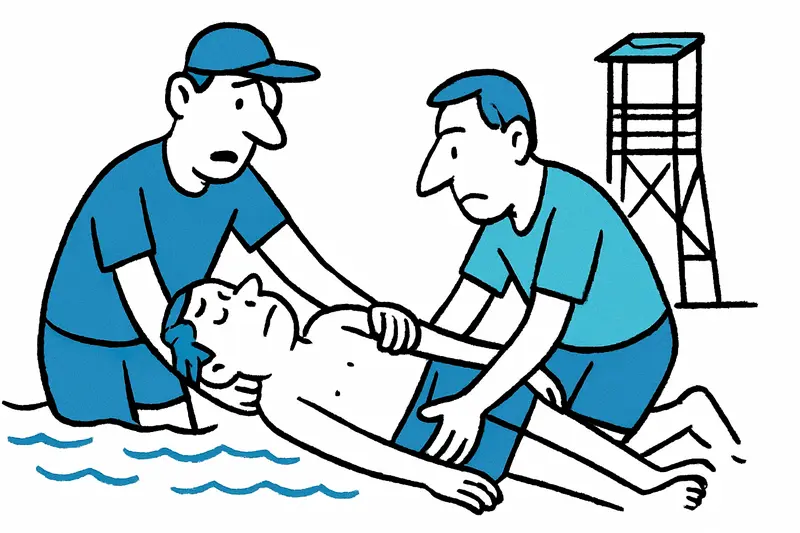
Magaluf: Watchtower Alarm – Lifeguards Pull Unconscious Beachgoer from the Water
After a drama in the late afternoon, two lifeguards at Magaluf beach rescued an unconscious 44-year-old man. He was stab...

Turquoise in the City: How dangerous is the color play of the Sa Riera?
The Sa Riera in Palma suddenly turned turquoise — a pretty motif, but behind the effect lies a discharge of saline waste...

Jeckliner at Sunnesching: Cologne spirit sets sail from Palma
In September 2027 the Mein Schiff 2 briefly becomes a floating carnival stage: four days with Cologne bands, comedy and ...
More to explore
Discover more interesting content

Can Cap de Bou

Townhouse Lleo 72
