
Water shortage in Sant Llorenç: Why a desalination plant alone is not enough
Water shortage in Sant Llorenç: Why a desalination plant alone is not enough
The municipality of Sant Llorenç plans a desalination plant in S'Illot. A technical intervention — but what's missing from the discussion about costs, energy and tourism consumption?
Water shortage in Sant Llorenç: Why a desalination plant alone is not enough
The decision for S'Illot is only the beginning – and we still hear too little about consequences and alternatives
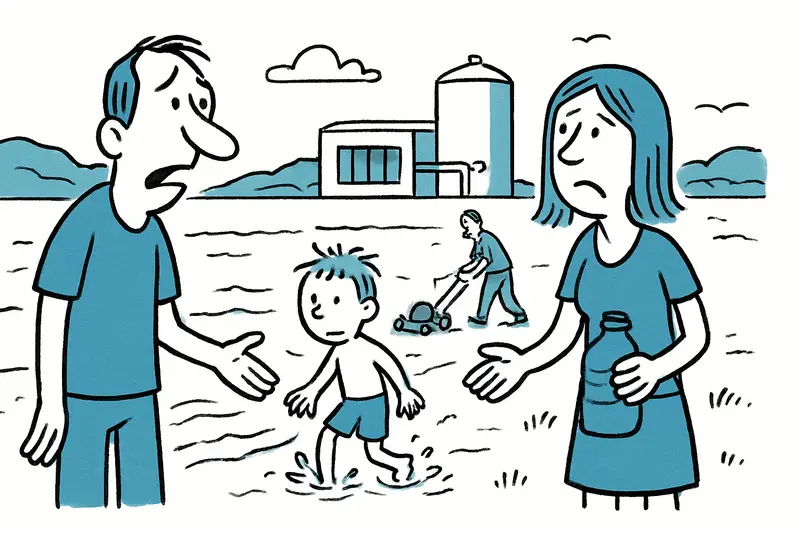
Late afternoon in S'Illot: tourists stroll along the seafront promenade, children splash through shallow waves, and somewhere a lawn mower is running at a hotel complex. The municipality of Sant Llorenç, which includes Cala Millor, has announced plans to build a desalination plant in S'Illot to make the municipality less dependent on external water deliveries. At the same time, a new reservoir in Son Carrió and the replacement of old pipelines are on the list of improvements. Other towns are weighing similar options; for example, Palma examines desalination: Does the city need its own seawater plant?.
Key question: Is another desalination plant enough to permanently solve Sant Llorenç's water problems — and at what cost for the environment, energy consumption and local households?
The sober answer is: It is one building block, but not a cure-all. Desalination provides technically reliable drinking water, especially in summer months with high tourist demand. But it brings side effects: high electricity demand, potential impact on the sea from salty wastewater (brine), and not insignificant investment and operating costs. In a region where the electricity mix is still largely fossil-based, this means additional CO2 emissions — something that has so far been discussed too little in the public debate. The broader context of Mallorca's water stress is discussed in When the Tap Runs Scarcer: Mallorca Between a Tourism Boom and a Dwindling Water Source.
What is missing from the public debate: clear information on financing, energy sources and environmental protection. Will the plant be powered by renewable energy? What are the expected operating and maintenance costs — and who will ultimately pay the bill: the municipality, tourism businesses or consumers? What measures are planned to dispose of the produced brine in an environmentally compatible way? Such questions should be answered before a major tender, not only after commissioning. Questions about financing and tourist levies have been raised in pieces such as Water for the North: Alcúdia Relies on Desalination — Paid for by the Tourist Tax.
An everyday scenario from Mallorca: in summer you often see gardeners watering flower beds at ten in the morning, or hotels topping up pools daily. Seasonal business behavior drives consumption. Reporting on hotel responsibility can be found in Water scarcity in Mallorca: Why hotels must now take responsibility. A plant in S'Illot will meet demand, but it does not solve the underlying problem: we consume too much, especially during the summer months.
Concrete approaches that should now be implemented in parallel with desalination:
1. Plan energy and technology cleanly: The desalination plant as a modular reverse-osmosis operation, coupled with local solar installations or long-term power purchase agreements with renewable producers. Storage (batteries) or night-time operation could shave peak demand.
2. Brine management: As gentle discharge as possible, use in industrial processes or dilution with retention basins; an independent study on marine compatibility should be part of every tender.
3. Leak reduction and infrastructure: The planned new pipes in the municipality are a low-hanging fruit. Old networks lose water — the climate advantage of a desalination plant shrinks if side losses remain.
4. Water saving in tourism: Mandatory measures for hotels such as flow restrictors, smart meters, greywater and rainwater use for garden/pool maintenance. Seasonal tariffs that make consumption peaks more expensive could provide a real lever.
5. Transparency and participation: Before the tender: environmental impact assessment, cost-benefit analysis, citizen and hotelier workshops. Without local acceptance, projects remain vulnerable to disputes and delays.
Politics and administration can also explore EU funding programs for climate and water and form partnerships with neighboring municipalities. A desalination plant in S'Illot can only be sustainable if it is part of a package: storage, pipelines, conservation programs and clean energy.
Conclusion: The announcement from Sant Llorenç is a realistic step given rising summer demand. But those who rely only on technology and ignore everyday practices — garden hoses, overfilled pools, hotel systems — miss the chance to become permanently more resilient. The real challenge is not only water supply, but a comprehensive change: less wasted water, better infrastructure and energy that does not create new problems. If that succeeds, the promenade in S'Illot will still feel fresh in ten years without household bills jumping sharply.
On-site tip: Anyone who wants to get an impression in person should go to the beach at S'Illot or to Son Carrió on a late morning and look for places where pipes look old, flower beds are overwatered or hotels still neglect basic water-saving measures. That often tells you more than numbers on paper.
Frequently asked questions
When is the best time to visit Mallorca for warm beach weather?
Is it safe to swim at Mallorca's beaches?
What should I pack for a Mallorca trip?
What family-friendly activities are good in Mallorca?
How can I get around Mallorca without a car?
Can you still enjoy Mallorca beaches late in the season?
What are the standout natural areas to explore in Mallorca?
What are good day trips from Palma de Mallorca?
Similar News

594 pallets stolen from supermarket warehouse – suspended sentence, but what lesson does Mallorca draw?
A man admitted in January 2025 to loading 594 pallets from a supermarket's outdoor warehouse in Palma. The court handed ...

Who Books Our Dream? When TUI, Alltours & Co. Bring AI to Holidays
Artificial intelligence simplifies booking and operations — but who bears responsibility when algorithms decide? A reali...

Golden October: Island pleasures instead of a winter coat – Mallorca stays warm
A late-summer remnant in October: Up to 27 °C, pleasant water temperatures around 22–24 °C and sunny days – ideal for be...

Son Sant Joan Control Center: What Questions Remain When the Island's 'Brain' Relocates
The air traffic control center in Palma manages the airspace over the Balearic Islands. With the planned move to Son Bon...

Son Gotleu under pressure: Why many rental cars were broken into in recent weeks
Residents in Son Gotleu have experienced a series of break-ins of parked cars in recent weeks. A reality check: what is ...
More to explore
Discover more interesting content

Can Cap de Bou

Townhouse Lleo 72
