
Santa Catalina: Market Between Everyday Life and Performance
The Mercado of Santa Catalina is more than a sight — it is everyday life, a stage and a site of conflict at once. How much tourism can a neighborhood market handle without losing its soul?
How much tourism can a neighborhood market handle?
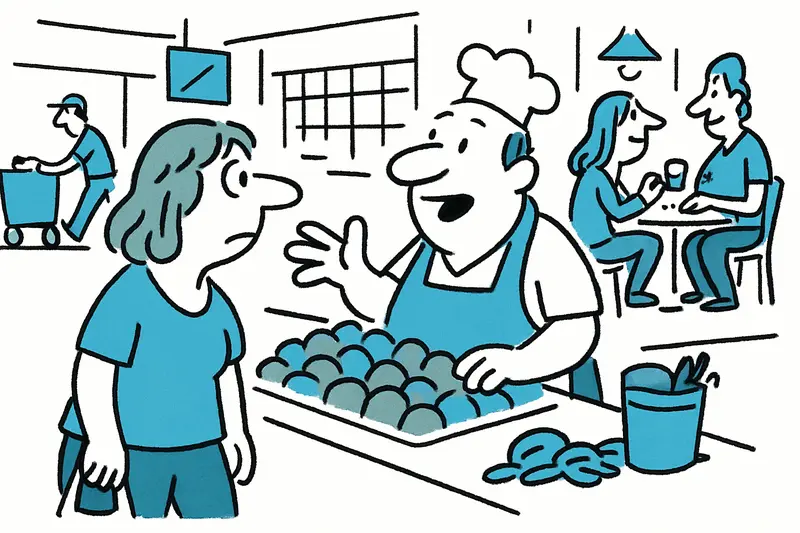
The Mercado in Santa Catalina smells on a Tuesday morning of freshly brewed coffee, fried squid and ripe oranges. You hear the clatter of plates, the squeak of delivery vans and the quiet bickering among vegetable sellers. At the same time there is the constant clicking of cameras and the slow strolling of people who visit Palma for a weekend at the Mercat de Santa Catalina. The big question that stands here between the counter and the tapas bar: How many tourists may a neighborhood market tolerate without losing its identity?
Everyday life meets spectacle — the fine line
Santa Catalina functions as a bridge. For locals the Mercado is a place to shop and meet. For chefs it is a source of inspiration. For visitors it is what many expect from Palma: an authentic tapestry of voices and aromas. But the balance is fragile. When stalls turn into showrooms, prices rise and spaces become scarce, regular customers notice it first. "It feels like an expensive supermarket with an entrance fee," says a longtime visitor dryly. Such remarks are not mere nostalgia — they reflect economic shifts.
A look behind the scenes: more than loud applause
Less discussed is how tourist demand changes supply chains and working conditions. Small producers now deliver in larger batches, delivery vans load the side streets earlier and for longer, and some vendors structure their offerings to look good on Instagram — not necessarily how a neighbor assembles her Sunday meal. That pushes prices and alters assortments. At the same time, stricter hygiene rules and higher rents mean that only marketable, better-funded providers can remain in the long term.
Which interests collide here?
On one side are neighbors who need the market as everyday infrastructure: fresh products, trusting relationships, fixed prices. On the other side are restaurateurs and service providers who live off tourism and use the Mercado as a showcase. Authorities are also involved, keeping an eye on cleanliness, safety and economic promotion. The result: decisions that may seem practical at first — longer opening hours, organized tours, events — have direct social impacts.
Concrete opportunities and small solutions
Instead of merely lamenting, a number of measures can be taken to preserve the balance. Some practical ideas:
1. Time slots for locals: In the mornings certain aisles could be prioritized for local shopping — fewer tours, more space for regular customers.
2. Price and origin labeling: Transparent signs would show what comes from the island and what is imported. That strengthens local producers.
3. Cooperative stalls and collectives: Small producers could join forces and share the costs of stall rents and logistics.
4. Limited event days: Schedule tourist evening events on selected days instead of extending them daily — this reduces noise and waste.
5. Local participation: A market advisory board with residents, traders and municipal representatives could develop rules that align everyday life and tourism.
Why this matters
It's not about shutting out tourists. The market benefits from their spending power. It's about steering the mechanisms that will decide in the long run whether Santa Catalina remains a lively neighborhood market or becomes a mere attraction. Anyone who has once sat at the counter, with the smell of fried squid in their nose and the voices of the vendors in their ears, feels it: this is where the city is made — in small, loud steps.
A tip for visiting
Come on a late morning, sit at a counter, order something small and listen. Pay attention to the handwritten signs, the delivery vans still putting down crates, and the small conversations between regulars. For other island markets that offer a similar sense of everyday life see Sóller and Port de Sóller: Markets That Smell of Everyday Life and the Sea. That is how you sense what the Mercado really is: not a museum, but a living, contradictory part of Palma.
Frequently asked questions
What is the Mercat de Santa Catalina in Mallorca like on a normal day?
When is the best time to visit a market in Mallorca if you want a quieter experience?
Does tourism change local markets in Palma?
What should I wear or bring when visiting a market in Mallorca?
Is Santa Catalina in Palma still a real neighborhood market or mostly a tourist attraction?
What can local authorities do to keep a market like Santa Catalina balanced?
Why do some Mallorca markets look better for visitors than for locals?
What are some respectful ways to visit Santa Catalina Market in Palma?
Similar News

Caro Robens: 15 kilograms lighter — and again in the crossfire of online comments
Bodybuilder Caro Robens, who lives in Mallorca, has lost 15 kilograms. Her success on Instagram was met with applause — ...

Meager Industry in Mallorca: How the Island Can Be More Than Just Tourism
The industrial sector in Mallorca is shrinking, productivity is falling and firms remain tiny. The key question: can the...
Pre-Nit de l'Art: Galerie Mensing invites to a special evening with Tom Boston
Before the big art night, Galerie Mensing opens its doors: pop art, champagne, a DJ and a hand-signed print by Tom Bosto...

Sea view and more seats: Cappuccino Grand Café reopens in Port d'Andratx
After a long renovation, the Cappuccino Grand Café on the Port d'Andratx harbor promenade has quietly reopened. Larger t...

Enric Mas wins the Vuelta – a triumph that resonates in Mallorca
Mallorcan Enric Mas has won the 82nd Vuelta — the first Spanish overall victory since 2014. Cyclists and neighbors on Ma...
More to explore
Discover more interesting content

Can Cap de Bou

Townhouse Lleo 72
