
When Santanyí Gets Wet: Why Rain Means More Than Just Wet Shoes
The rain on October 11 makes Santanyí cozy — but it also exposes weaknesses: clogged drains, slippery cobblestones and market stalls at risk of flooding. Small, targeted measures could make a big difference.
Santanyí welcomes the rain – cozy, but with problems
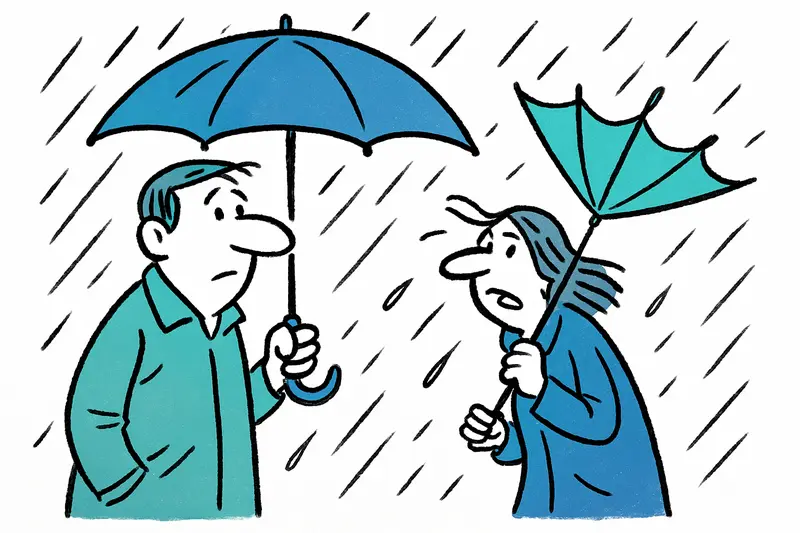
On Saturday morning you can hear the patter of drops on the awnings of the Plaça Major, the soft click of opened umbrellas and occasionally the squeak of a wet terrace chair back. October 11 brings a steady drizzle, mild 19 to 23 °C and an easterly wind that keeps the umbrellas busy, as reported in Santanyí desafía la lluvia — y sus puntos débiles. For the atmosphere it's almost romantic. For the old town's cobblestones, the weekly market and older residents it's a test.
The central question: Is Santanyí prepared for such rainy days?
That sounds like a trivial question, but it's central. Santanyí thrives on the close fabric of residents, traders and visitors. When deep puddles quickly form on Carrer d'es Forn, when water sits in the joints and stones become slippery, it affects not only tourists with wet shoes — it affects market sellers, delivery drivers, parents with prams and especially older people who rely on safe routes, and local coverage on rainy market days is available in Rainy day in Santanyí: Pack an umbrella, enjoy coffee.
More than wet shoes: often overlooked problems
Four aspects stand out when you look closely:
1. Drainage is weak in places. Many gullies are designed for short, heavy showers, not for hours of drizzle. Grass, leaves and sand narrow drains; the water then finds gaps and remains in the joints.
2. Market logistics suffer in the rain. Sellers pack up faster, reduce their selection or set up tarps that hardly withstand the wind. That costs sales and atmosphere. The weekly market is both the heart and the wallet.
3. Mobility for older people is at risk. Wet cobblestones become slippery. Trips to the pharmacy, doctor or shops take longer and fears of falling increase. That restricts participation.
4. Long-term damage and hidden costs. Prolonged dampness attacks mortar and joints, and urban runoff can push salt and dirt into building openings — repair costs grow slowly.
Why these problems are rarely loudly discussed
Because they are neither spectacular nor immediately catastrophic. They sit in everyday life, visible in small inconveniences: a seller who packs up earlier; a bench that stays empty; a senior who prefers to stay at home. Such consequences don't spark headlines, but they accumulate annual costs — in lost quality of life and small economic losses.
Pragmatic solutions — without destroying the old-town charm
The good news: many measures are small, quick and compatible with the historic townscape.
1. Better infrastructure maintenance: Targeted cleaning of gullies before the rainy season, inspection of drainage pipes and a flexible winter service. Proactive maintenance costs less than repeated emergency work.
2. Market guidelines for wet days: Simple rules for wind-stable coverings, non-slip mats and coordinated help during set-up and breakdown would give sellers security and stabilize the offering.
3. Protection for pedestrians: Anti-slip coatings on dangerous sections of Carrer d'es Forn, temporary markings and additional benches under covered areas for resting could reduce fall risks, following guidance on preventing slips, trips and falls.
4. Long-term green infrastructure: Point infiltration zones, permeable paving in selected places and small rain retention beds in parks absorb water, improve air quality and preserve the village character, as promoted by EPA Soak Up the Rain.
5. Better communication: A municipal digital rain alert, information boards at the market entrance or WhatsApp groups with local updates help traders, residents and tourists react quickly.
Concrete steps that take effect quickly
A pilot project on Carrer d'es Forn could show how little is needed: cleaning and checking drains, two anti-slip strips at critical points, a small sign and a market test with more stable tarps. Such measures could be implemented within one season and would be affordable.
For residents right now this means: pack an umbrella, wear non-slip shoes and appreciate the café as a safe haven. For those responsible it means: look closely before the water stays — and act before cozy rain becomes a lasting burden.
Conclusion
Santanyí appears warm and calm in the rain, but vulnerable where water remains. With targeted, small-scale measures — from regular drain maintenance to slip-resistant surfaces and smarter market logistics — the quality of life could be significantly improved without sacrificing the old town's charm. A little planning, a few tweaks and the city coffers breathe easier: after all, a dry market is often only a clean gully away, as other local reports like Santanyí bajo nubes de lluvia: llovizna tranquila en lugar de tormenta have described.
Frequently asked questions
Is Santanyí still worth visiting when it rains?
What should I wear in Mallorca on a rainy autumn day?
Are Mallorca's old town streets slippery when wet?
How does rain affect the weekly market in Santanyí?
Is Santanyí suitable for older visitors when it is raining?
What rainy-day problems do Mallorca towns face beyond wet streets?
What can Santanyí do to cope better with rainy weather?
Where can I wait out the rain in Santanyí?
Similar News
Why the Striped Breams in Cala Pí Should Be a Wake-up Call
Once again bathers in Cala Pí were surrounded while swimming by small, nippy fish — some wounds bled. Time for clear rul...

Daily from New York: How Palma's Air Traffic Is Growing — and What Must Change
United will increase the Newark–Palma service to daily flights in 2027 (Boeing, 231 seats). Strong tourist numbers clash...

When Love Ends in Shards: Destruction in Son Vida and the Questions That Remain
In Son Vida a relationship dispute escalated: a woman destroyed furniture in a luxury villa, later pressed a panic butto...
Who Bears the Burden? Mallorca Between Tenant Protection and Landlord Fears
Madrid's new housing decrees strengthen tenant rights — but on Mallorca concern is growing: will the law drive small lan...
On the Edge: What Mallorca's Airport Loses If a Major Low-Cost Carrier Falters
The company that operates numerous connections from Palma to France and domestically is negotiating with creditors to re...
More to explore
Discover more interesting content

Can Cap de Bou

Townhouse Lleo 72
