
Schengen on the brink: What a political threat would really mean for Mallorca travelers
Schengen on the brink: What a political threat would really mean for Mallorca travelers
Italy's threat to temporarily remove Spain from the Schengen area is causing uncertainty. Who will pay the price — holidaymakers, politics or the people at the borders?
Schengen on the brink: What a political threat would really mean for Mallorca travelers
An outrage in Rome, a protest in Madrid — and puzzled tourists in Palma
Clear guiding question: Can the threat to temporarily reintroduce controls at Spain's external borders practically restrict freedom of travel between Germany and Mallorca — and who would ultimately bear the consequences?
The facts are sparse: Recently more than 1,500 people reached the Spanish exclave Ceuta. Several people died while trying to reach the coast. Rome then threatened extraordinary measures against Spain, including the temporary suspension of the Schengen Agreement. Madrid responded with sharp criticism and demanded solidarity instead of public insults.
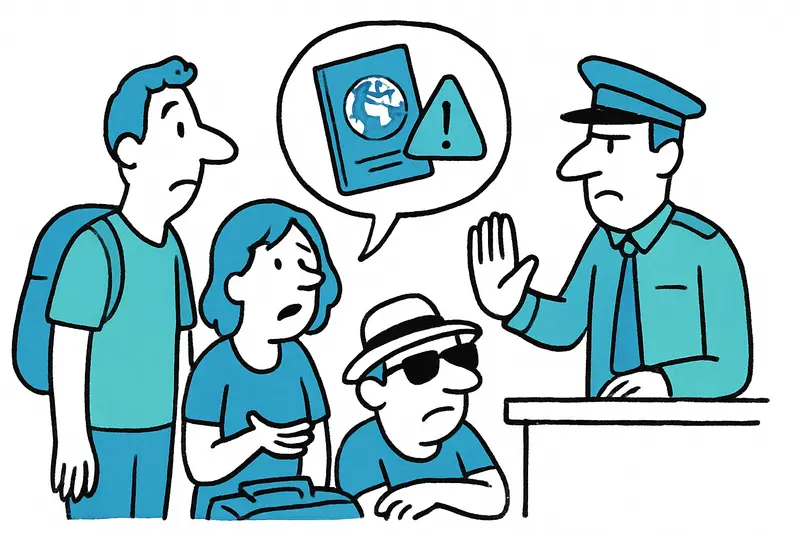
Critical analysis: On paper Schengen is a legal instrument with clear rules for exceptions. In political practice, however, such announcements often act as a lever for domestic signaling: tougher rhetoric at home, pressure on partners in Europe abroad. For Mallorca visitors, a suspension would mean passengers again have to show passports — at check-in, on arrival, at the gates. Anyone who has ever waited on a hot July day at Son Sant Joan airport knows how two extra checks can quickly become an hour of waiting.
What is missing in the public debate: The discussion remains superficial. It is about blame and assigning responsibility, not about capacities at the borders, how people can be rescued and registered safely or how cooperation with transit states can be stabilized. A serious gap is the lack of debate about the practical consequences for island systems: ferries, charter flights, jobs in the tourism sector, contingency plans for hundreds of delayed passengers in hotel lobbies.
Vivid everyday scene from Palma: On a muggy morning an airport taxi driver sits at the exit of the Aeropuerto and says that in recent weeks more nervous flyers have arrived, with suitcases already set down to the rhythm of the escalators. On the Passeig Marítim terrace waiters play with sunglasses, while arriving families next door ask for directions to the ferry terminal. No one there speaks of geopolitical motives; the question is: Will I arrive at the hotel on time and reach my holiday home?
Concrete solutions that have so far been neglected: First, a workable emergency plan for airports and ports — temporary counters, mobile staff units for passport control, clear information campaigns for travelers. Second, a European operations center for rapid data and deployment coordination in migration movements, providing transparent figures and capacity data. Third, consistent support for search-and-rescue infrastructure and binding agreements with transit and coastal states for orderly reception and redistribution.
Fourth: Legal clarity. If a member state actually considers Schengen exceptions, the legal prerequisites must be transparently disclosed — so that neither tourism nor trade suffer as collateral damage from political staging. Fifth: Short-term assistance for the local economy and employees in the Balearics in case travel is disrupted; that means financial bridges and pragmatic rules for delayed arrivals and connecting journeys.
What is often overlooked in Spain and Europe: Migration movements are a multilateral problem that cannot be solved by border closures alone. Political threats may serve the domestic climate in the short term, but can destroy trust between partners in the long term — and we need that trust when people are to be rescued safely and treated according to the rule of law.
Pointed conclusion: For holidaymakers in Mallorca, the reintroduction of systematic border controls would not be an abstract political issue, but a tangible deterioration of travel. Instead of working with dramatic pronouncements, European governments should now build practicable cooperations: transparent processes at the borders, coordinated sea rescue, and provisions for people in the island's tourist hubs. In short: politics that makes noise harms; politics that organizes helps.
Frequently asked questions
What is the best time to visit Mallorca for good weather?
Can you swim in Mallorca year-round?
What should I pack for a trip to Mallorca?
What are the best ways to get around Mallorca?
What activities should I consider in Mallorca?
Are there any major events or festivals in Mallorca?
What should I know about beach safety in Mallorca?
Are there good day trips from Mallorca's towns?
Similar News
When the Wallet Becomes a Danger: Attack in Peguera and Lessons for Mallorca
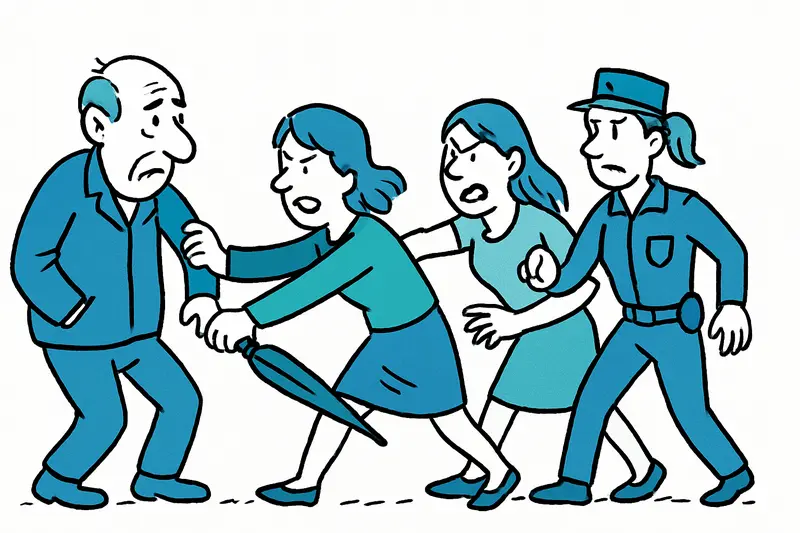
In Peguera, two women are said to have stolen the wallet from a 75-year-old German couple. When the victim intervened, t...
Plata stays Plata: Young people take over, Llonguets remain
A small bar on Carrer de l'Argenteria will continue: Tolo Serra hands the place over to young Mallorcans at the end of t...
Unnoticed in the Luggage Compartment: How a Boy Traveled More Than 100 Kilometers in a Team Bus
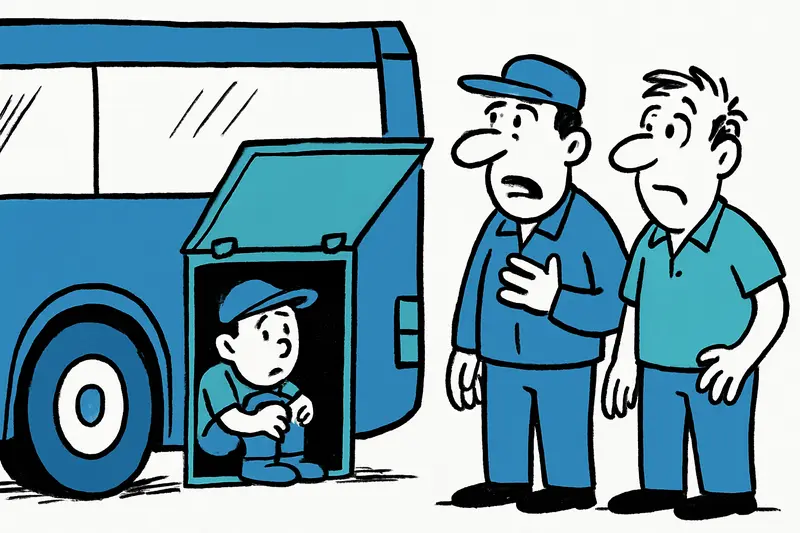
A minor traveled in the undercarriage of a team bus for more than 100 kilometers until his cries for help were heard. A ...

Cap Vermell Grand: Second Michelin Key – a Gift for the East
The Cap Vermell Grand in Capdepera has been awarded its second Michelin key. For the region this elevates the luxury off...
Eurowings lets four aircraft carry names – a friendly idea that also reaches Mallorca
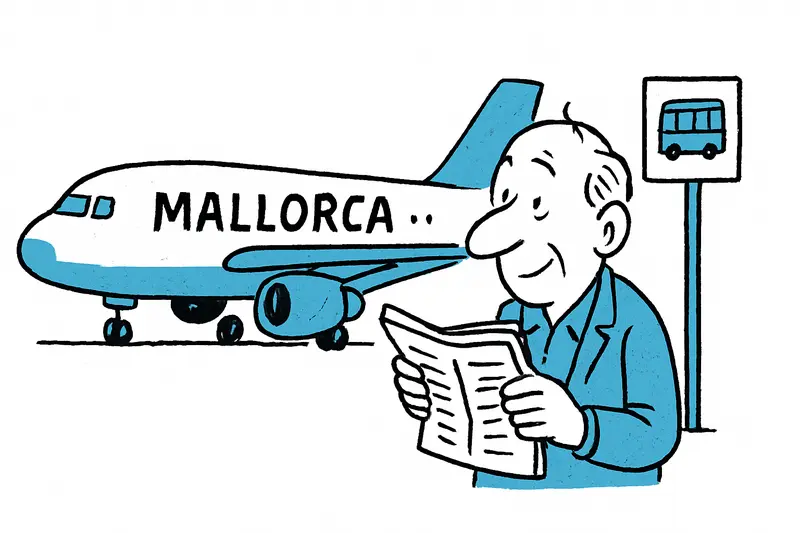
Eurowings is launching a campaign: four Airbus A320s are to carry the first names of people who help others in everyday ...
More to explore
Discover more interesting content

Can Cap de Bou

Townhouse Lleo 72
