

Porto Cristo: When the Promenade Becomes a Target
A Guardia Civil officer intervenes on the promenade — more than an isolated incident. Why pickpocketing in Mallorca's coastal towns isn't random and which measures could genuinely help.
Off-duty intervention in Porto Cristo: a warning sign
It was one of those mild afternoons on Mallorca: the sea glittered, seagulls cried, cutlery clinked in the harbour cafés and from afar you could smell the salty sea air. That is how September 30 ended abruptly for an older couple when a Guardia Civil officer from Manacor, travelling privately, intervened: a quick grab, a lost wallet, a brief scuffle, and then the handover to the National Police. Two men were reported, as covered in Pickpocketing in Porto Cristo: Arrests, Deportation — and What This Means for Mallorca. The scene feels familiar, but the real question is more pressing than the single incident:
How does a tourist region respond when offenders deliberately target seasonal resorts?
A pattern that is forming
Pickpocketing on promenades, beaches and in buses is not a random lapse: observations on site show division of labour within groups, quick distraction manoeuvres and targeted selection of victims – often older people or inattentive tourists with clearly visible cameras or phones. The risk rises in high season, when promenades are fuller, eyes are more tired and escape routes are easier.
What is easily overlooked: offenders use mobility and short-term accommodation. A car with foreign plates, an apartment for two nights, a driver who has already moved on when the police arrive. This logistics complicates prosecution and makes statistical recording more difficult: many victims do not report immediately out of shame or to avoid hassle.
Fragments that rarely reach the table
Public debate is dominated by images of arrests and outrage. Less attention is paid to structural questions: how do the networks behind the groups operate? What role do short-term rentals play as transfer points? And how well are small coastal towns actually networked with national and European police when it comes to rapid, cross-border information?
Another blind spot is the statistics: when victims do not file a report, the cases disappear from official perception. That distorts situational pictures and leads to resources not being concentrated where they are needed.
Concrete, pragmatic starting points
More police presence is important, but visible vehicles alone are not enough. We need a bundle of short-term measures and structural changes that can be implemented practically on Mallorca:
1. Better coordination: uniform reporting systems between municipalities, port and airport police and the National Police. A digital exchange on modus operandi, suspicious vehicles and short-term accommodations would shorten response times.
2. Prevention campaigns: multilingual notices at airports, ports, promenades and in hotels. Short trainings for reception staff, landlords and taxi drivers on how to forward suspicions — not as boring posters, but as handy checklists.
3. Discreet technology: targeted, temporary cameras at hotspots with clear deletion deadlines, mobile plainclothes teams at peak times and a tourist app for warnings and quick reporting — privacy-compliant, time-limited and transparent.
4. Local network: Porto Cristo is small enough for neighbourhood knowledge: fishermen, waiters, bus drivers and shopkeepers should act as early observers. A simple reporting protocol can help detect suspicious patterns early.
5. Legal and staffing measures: faster procedures for repeat offenders, seasonal special public prosecutor teams and specialised investigators who analyse patterns instead of processing single cases.
What the island administration and hosts can do
Authorities can monitor short-term rentals more systematically and require operators to be informed if accommodations appear repeatedly in suspicious cases. Hotels and landlords should provide incident protocols and actively inform guests — not only via written briefings but in person upon arrival.
It is also important to lower the threshold for victims to report: reduce language barriers, set up mobile reporting points in tourist centres and assure that reporting a loss does not necessarily have to ruin travel plans.
Practical tips for visitors
Keep valuables close to your body, avoid open bags and use hotel safes. Be especially alert at viewpoints, in the harbour and on bus routes. If something is stolen: go immediately to the nearest police station and file a report — only then will patterns become visible and offenders hopefully be stopped in the future.
Porto Cristo: preserve the charm, stay vigilant
Porto Cristo remains a place of small fishing boats, cafés and the unmistakable sound of the sea. The intervention by the off-duty officer was a stroke of luck, but it should not mask the fact that security is a community task. If we find the balance between presence, prevention and smarter networking, that espresso on the promenade can once again be a quiet moment — and the island as beautiful as ever, only a little wiser.
Frequently asked questions
Is pickpocketing common on promenades in Mallorca?
How can I protect my wallet and phone while walking around Mallorca?
What should I do if my wallet is stolen in Mallorca?
Why are older tourists often targeted by thieves in Mallorca?
Is Porto Cristo safe for tourists?
Where do pickpockets usually operate in Mallorca?
Are short-term rentals used by criminals in Mallorca?
When is the risk of theft highest in Mallorca?
Similar News

Near-miss on Lanzarote: Landing Ryanair Jet and Iberia Takeoff — what really went wrong
On Lanzarote there was a dangerous incident: A Ryanair flight (FR5910) from Dublin landed on runway 03 while an Iberia E...

Eurowings introduces new Premium Business seats on Mallorca routes
From December 1, selected Eurowings flights to Palma and other destinations will feature eight particularly generous sea...

Car on MA-13 near Inca in flames – a safety check for the island
A vehicle caught fire on the MA-13 towards Alcúdia on Tuesday afternoon. The driver was uninjured, the car was destroyed...

Real Estate in Mallorca: Fewer Buyers, Higher Prices — What's Behind It?
Sales on Mallorca are falling, yet prices continue to climb. Why fewer transactions do not equal relief — and what shoul...
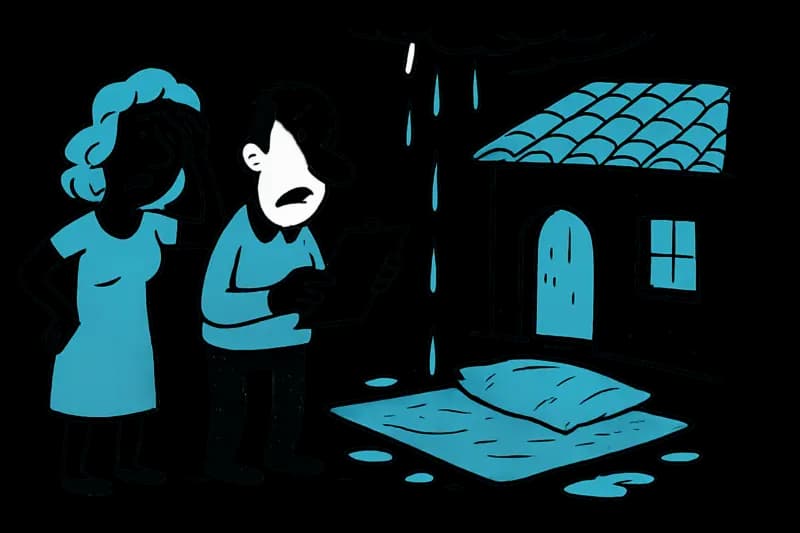
Just Bought — Already Trouble: Water Damage in the Heiters' Villa and What Owners in Mallorca Should Know Now
A newly purchased sea-view property — and within days a water damage. What risks lurk in new properties in Mallorca, and...
More to explore
Discover more interesting content

Can Cap de Bou

Townhouse Lleo 72
