

After assault in Palma: Fine instead of prison — What remains for care home residents and staff?
An employee was convicted of sexual harassment in a senior residence in Palma and fined. The verdict leaves many questions open: How protected are residents and staff in reality — and what lessons will the island draw from this?
Fine after incident in a senior residence: A verdict that raises questions
At the end of July a verdict was handed down in the court buildings on Vía Alemania that still resonates in Palma's social and care sectors, as covered in report on the Palma residence sexual harassment fine. A 36-year-old employee, accused of repeatedly sexually harassing a colleague in a senior residence, has been ordered to pay a total of €4,600 (a €3,600 fine plus €1,000 in damages). Imprisonment is not part of the verdict — despite the prosecution's demand for three and a half years behind bars.
The scenes described are distressing: according to the indictment, the woman was allegedly pushed into a storage room on 16 March 2024. She reports resisting, fleeing and colleagues who raised the alarm. The judge found her statement credible; the defendant denies the allegations and said he cannot explain the behavior.
Why not prison? The legal and practical perspective
The explanation from the courtroom reads matter-of-fact: the acts were not classified as particularly intimidating or as physical violence in the narrow sense — hence the decision against a custodial sentence. For many this feels too lenient, especially in a field where trust and protection are essential; compare with Palmanova verdict: Two years in prison — and what Mallorca must learn now. In the sunshine in front of the building on Vía Alemania, while taxi drivers took their siesta, the proceedings seemed to observers more matter-of-fact than critical — nevertheless the consequences for those affected are deep.
Another point: according to investigators, the accused is currently in custody, not because of the conviction, but because of unresolved residency status questions. That complicates the situation and touches on debates about workplace safety, employee rights and migration on the island.
What is often overlooked in the public debate
We talk a lot about verdicts and punishments, but little about sustainable protection mechanisms in day-to-day care. Three aspects are often neglected:
1. Reporting channels and protection for whistleblowers: How easy is it for staff to report harassment without fearing professional reprisals? Anonymous hotlines, external ombuds offices or clear whistleblower rules are not standard everywhere.
2. Structural causes: Staff shortages, long shifts, short onboarding periods during probation — all of this increases stress and can favour boundary violations. In many homes people work at their limit; that alone explains nothing, but it heightens the risk of conflicts.
3. Support for those affected: Psychological support, flexible shift planning and protection from contact with the accused are essential after an incident — and often lacking.
Concrete steps that would help now
A few practical proposals that should not remain mere words:
Mandatory training: Regular, compulsory workshops on boundaries, power relations and de-escalation — especially for new staff during probation.
Clear, external reporting channels: Independent complaint offices that can act quickly and confidentially, for example the Spanish Ombudsman (Defensor del Pueblo). Homes should publish reporting protocols so staff know what will happen.
External audits and personnel checks: Regular reviews of hiring procedures, references and criminal records. Not just paperwork, but unannounced checks could raise standards.
Trauma-informed aftercare: Readily available psychological help for those affected, combined with labor-protection measures (time off, transfers, protection from contact), with guidance such as NHS guidance on trauma and PTSD.
Conclusion: More than a court ruling
The verdict in Palma ends a procedure on paper — in the home, in the storage room, in the victim's nightly thoughts the burden remains. For teams it means mistrust, for management a need to improve. If the end of the legal route is to produce not only punishment but also prevention and protection for the vulnerable, concrete institutional measures are needed, as other local cases show up the same challenges such as Suspended Sentence After Abuse in Palmanova: A Verdict That Raises More Questions.
The island has enough sun, but in these matters transparency is required: clear reporting systems, better working conditions and real support for those affected. Otherwise the risk remains that similar cases will recur — and in the worst case that hits those we should protect most: our elderly and the people who care for them every day.
The verdict is not yet final — appeals are possible. The home's management has announced internal reviews; what remains will be shown in practice.
Frequently asked questions
Why was a care home employee in Palma fined instead of sent to prison?
What should care home staff in Mallorca do if they experience harassment at work?
Are there enough protections for whistleblowers in Mallorca care homes?
Why are older care homes in Mallorca considered vulnerable to workplace abuse cases?
What support should a care home worker in Palma get after harassment?
Can a person be in custody in Mallorca even if their conviction is only a fine?
What is the role of the Spanish Ombudsman in workplace complaints in Mallorca?
Is the Palma care home verdict final?
Similar News
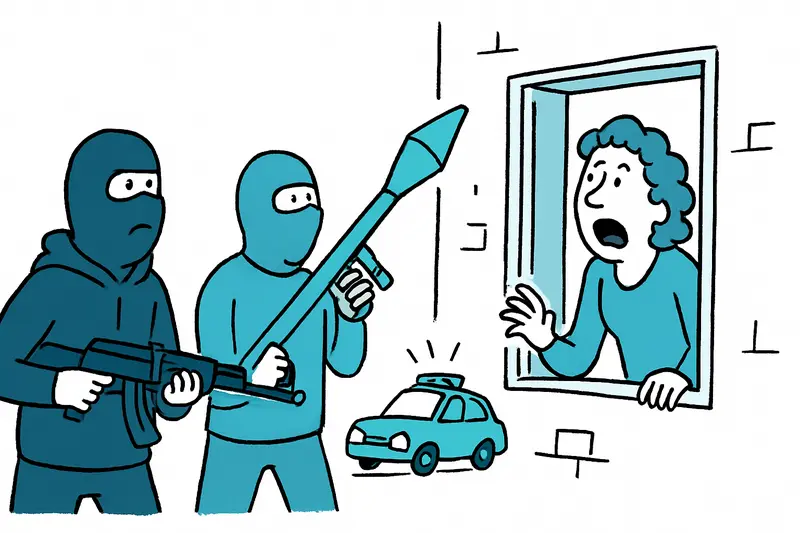
Masked Images, Real Panic: When Social Media Aesthetics Alarm Neighbors
Five German content creators filmed on a recently vacated detention site using deceptively realistic props. The result: ...
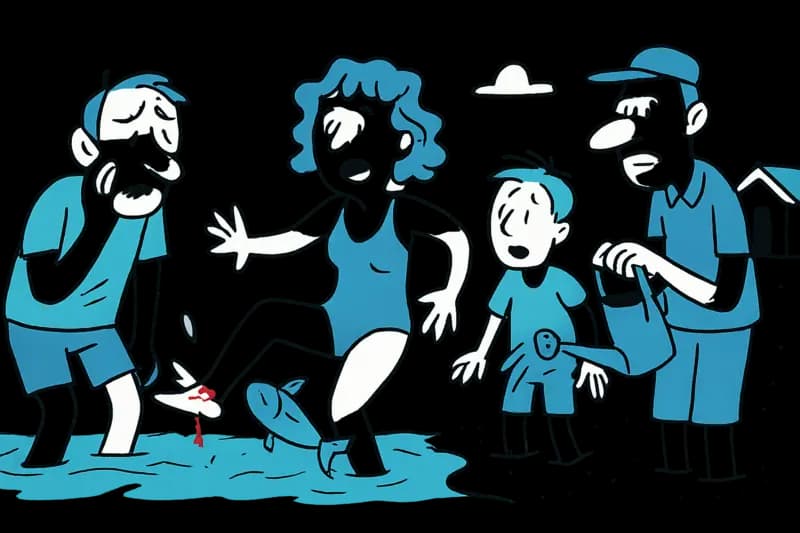
Why the Striped Breams in Cala Pí Should Be a Wake-up Call
Once again bathers in Cala Pí were surrounded while swimming by small, nippy fish — some wounds bled. Time for clear rul...

Daily from New York: How Palma's Air Traffic Is Growing — and What Must Change
United will increase the Newark–Palma service to daily flights in 2027 (Boeing, 231 seats). Strong tourist numbers clash...

When Love Ends in Shards: Destruction in Son Vida and the Questions That Remain
In Son Vida a relationship dispute escalated: a woman destroyed furniture in a luxury villa, later pressed a panic butto...
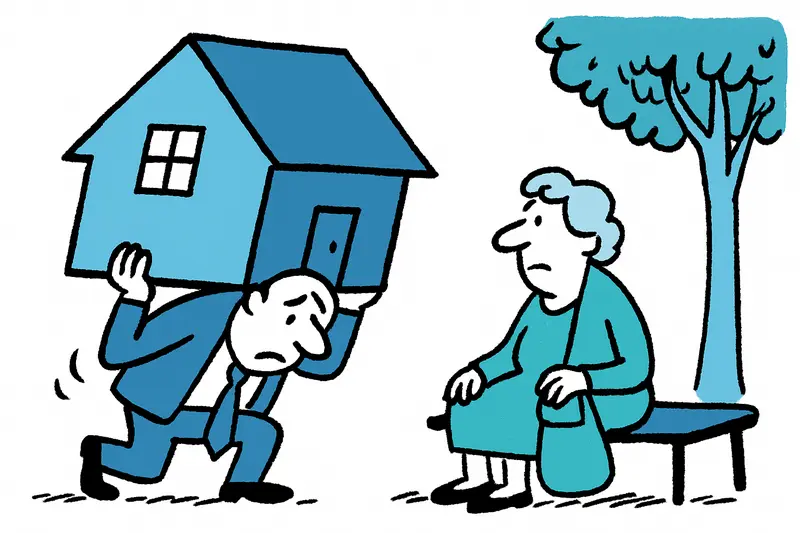
Who Bears the Burden? Mallorca Between Tenant Protection and Landlord Fears
Madrid's new housing decrees strengthen tenant rights — but on Mallorca concern is growing: will the law drive small lan...
More to explore
Discover more interesting content

Can Cap de Bou

Townhouse Lleo 72
