

When Silence Meets Voices: How German and Spanish Hotel Guests Live Past Each Other in Porto Cristo
When Silence Meets Voices: How German and Spanish Hotel Guests Live Past Each Other in Porto Cristo
At the THB Felip in Porto Cristo, different holiday styles converge in close quarters during winter. A fact-finding account between sauna, buffet and reading room — with a guiding question, analysis and concrete suggestions for a more relaxed coexistence.
When Silence Meets Voices: How German and Spanish Hotel Guests Live Past Each Other in Porto Cristo
Guiding question: Why do two such different holiday cultures collide in a small hotel like the THB Felip — and what can be done about it?
On the waterfront promenade of Porto Cristo, where the wind often carries sea salt onto the esplanade and seagulls disturb the calm with shrill cries, stands the THB Felip. A traditional, adults-only house with a spa and a reading room that offers a good view of the bar. Especially in winter, an unusual coexistence can be found there: groups from Palma laughing loudly by the pool, and visitors from Germany who radiate reserve and ritualized behavior.
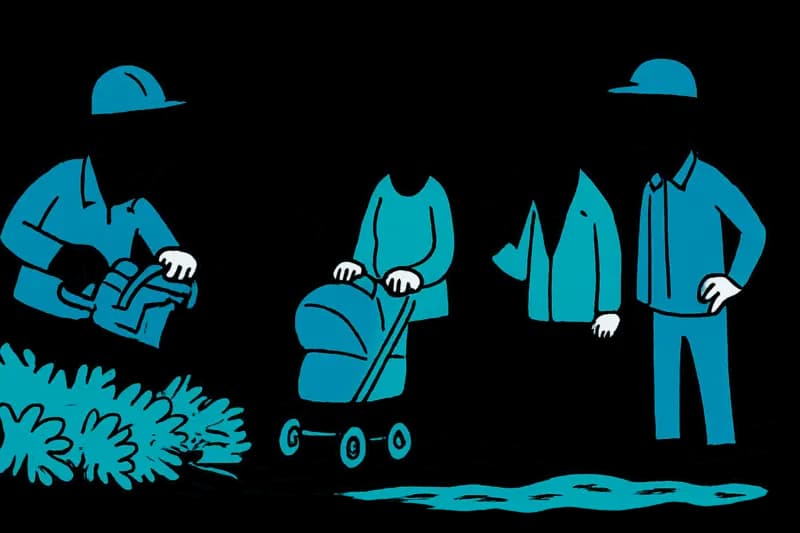
The scenes are small but telling: a young hotel guest from Palma walks from the pool into the sauna without a towel, an older German guest reacts irritably and raises his voice. In the evening some arrive late and speak in a way that echoes through the dining room, while others already sit upright at the table, holding their red wine and eating with a restrained expression. One table calls out happily: “¡Qué buena está la palta, coño!”, elsewhere guests help themselves to the buffet without a word.
The problem is not a personal attack, but a clash of different social codes. In Germany, public relaxation areas often place value on quiet, order and rules. In many Spanish everyday practices, by contrast, closeness, voice and spontaneous exchange are normal. Both are understandable — and yet the expectations collided clearly at a place like the Felip.
A sober analysis shows several factors that fuel this culture clash: first, the spatial proximity of areas with very different uses (spa, reading room, buffet). Second, the lack of clear but politely worded notices about procedures that both groups could respect. Third, the personnel constellation: staff who would have to mediate between two sets of expectations are often overwhelmed or respond in a standardized way.
What is mostly missing in the public discourse is the insight that cultural differences are not just "nice to observe" but have concrete effects on satisfaction and hotel operations, a point also raised in Three New Luxury Addresses in Mallorca – Opportunities, Conflicts and Some Practical Proposals. Usually people talk in generalizations — “Germans are like this” or “Spaniards are like that” — instead of addressing specific conflict points and practical solutions. Also rarely discussed is the role of hotel management: how do you design spaces, procedures and communication so that different expectations do not collide?
A typical everyday scene might begin like this: in the morning, the Passeig is quiet, a handful of buses unload guests; the whirlpool bubbles in the spa, someone flips slowly through a book in the reading room while distant laughter drifts in from the bar. These scenes show: it is not culture per se, but the lack of coordination of time, place and behavior that creates friction.
Concrete approaches can be implemented in manageable steps. First: clear, multilingual notices that use tone instead of bans — for example a sign at the sauna entrance: "Please be considerate: short conversations welcome, loud phone calls please outside." Second: differentiated time slots. Those who want to dine quietly early should be able to; those who celebrate a late arrival at dinner should also be accommodated. Third idea: separate “quiet zone” and “social zone” either physically or by time — no major renovation required, often rugs, plants or light partitions are enough to convey atmosphere.
Further measures concern staff and offerings: training for employees in handling cultural misunderstandings, a short welcome booklet in several languages with notes on spa etiquette and meal times, and small encounter formats that genuinely promote meeting one another — not forced programs, but an open “language café” in the afternoon, a shared tapas tasting plate at the buffet, moderated by the service staff.
Also important is the attitude: hoteliers should not act as referees but as designers of situations. A hotel that is open year-round and attracts guests with different expectations, like the THB Felip on the east coast, needs more political imagination than a seasonal operation, as discussed in Mallorca's Quiet Season: Why Around 20 Percent of Hotels Stay Open Through Winter — and What It Means. It is not about “correcting” a culture, but about enabling respectful encounters.
Conclusion: On Mallorca, different ways of life often collide on a small scale — in the sauna, dining room and reading room. This is neither scandalous nor dramatic, but it is avoidable. With clear, polite communication, light zoning and little effort from service staff, many conflicts could be eased. And perhaps at the end of the day you sit on the promenade of Porto Cristo, hear some voices, enjoy the quiet of others and think: this is how island community works — with a little consideration and a good touch for shared spaces.
Frequently asked questions
Why do hotel guests in Mallorca sometimes seem to misunderstand each other?
What is the best time of year for a quieter hotel stay in Mallorca?
Do hotels in Mallorca usually have clear rules for spa and dining etiquette?
How can a Mallorca hotel reduce noise problems between guests?
What should I pack for a winter hotel stay in Porto Cristo?
Is Porto Cristo a good place for a quiet winter break in Mallorca?
What is the etiquette in a Mallorca hotel sauna or spa?
How can hotel staff handle cultural differences between guests in Mallorca?
Similar News

New trick at Palma Airport: suitcase stolen from the belt — a reality check
On September 28 a 36-year-old allegedly stole a suitcase from the baggage belt of a 51-year-old German passenger at Palm...
Urgent Clearing of Palma's Torrents: Flood Prevention or Symptom of Short-Sighted Planning?
The city of Palma is responding to storm forecasts and has cleared several torrents. We ask: Is the short-term clearing ...

Evaneos and Mexico: A Reality Check for Sustainable Travel
Travel advertising often reads like a promise: local, sustainable, unique. But how deep do these promises really go? A c...

From Megapark to the Altar: Party Singer Now Offers Weddings in Mallorca
A well-known party artist combines partying and marriage: instead of a traditional church there are ceremonies at the Me...

The Maricarmen Case: Why an Eviction Is Forcing Spain's Housing Debate
Images of an 87-year-old woman on a stretcher have sparked a debate in Spain that also runs deep in Mallorca. Who protec...
More to explore
Discover more interesting content

Can Cap de Bou

Townhouse Lleo 72
