

Son Carrió: New Railway Museum Opens in the Old Depot
An old railway depot in Son Carrió has been transformed into the Museu del Ferrocarril de Mallorca — a small, lovingly curated museum about the island's railway history. Opens tomorrow; free entry during the first week.
A depot that tells its story again: the new railway museum in Son Carrió
When the morning sun hangs low over the olive trees and the cicadas are just beginning to chirp, the old depot in Son Carrió feels like a local secret that has now been officially revealed. Last night the Museu del Ferrocarril de Mallorca was opened here — see New Railway Museum in Son Carrió — in the hall along the former line towards Artà, where for a long time only rusty track remnants and traces of past repairs were visible. Now the building has new voices: those of travelers, conductors and old timetables.
What awaits inside
The exhibition is compact but assembled with great care. Alongside restored carriages and signs you can find old suitcases, uniform jackets and tools that make the everyday life of railway workers palpable. Especially striking is a large projection in the style of the 19th century: half old film, half museum stage — you can almost hear the whistle of a steam locomotive and the creak of wooden wagons. Interactive stations have been set up for families: children may test signals or put together a mini timetable, while older visitors can flip through historic photographs and plans in a quiet corner.
Practical: The museum opens from tomorrow. Admission is free during the opening week; read a report on Son Carrió's opening week; afterwards the doors are open Wednesday to Sunday from 10:00 to 17:00. There is parking near the depot; but a relaxed walk through the village is better — Son Carrió's atmosphere is best experienced on foot.
A place with roots and many stories
The building itself is more than an exhibition space: it is a fragment of a vision that once envisioned a line between Manacor and Artà. Trains on this line never went everywhere, plans remained incomplete — and that is precisely the charm. During the tour, locals told of Sunday outings they took as children, of suitcases that were barricaded when getting off, and of the sound when rails expanded in the heat. These small anecdotes give the museum a warm, very personal face.
You can feel the community: volunteers built shelves, neighbors donated old photos, and in the children's corner the laughter of little ones mixes with the rustle of old timetables. It is not a high-tech temple with flashing screens, but rather a neighborhood project built with care and a love of memories.
Who should visit
The Museu del Ferrocarril is recommended for families, hobby historians and anyone who appreciates local curiosities. Those hoping for large high-tech installations may be disappointed — but anyone who likes an honest, down-to-earth museum grown from the neighborhood will feel at home. The first week is especially worth the trip: free admission and often a flyer with background information provided by the volunteers.
Before you go in: take a stroll through Son Carrió. Sit on a bench, listen to the distant ringing of a village church, smell the espresso from the small café on the plaça and look at the still visible rail remnants. Perspective changes when you know which route plans were never realized — and that's what makes this visit on Mallorca so charming.
A small, honest museum visit: ideal if you want to do something different this week than beaches and boat trips.
Frequently asked questions
When does the new railway museum in Son Carrió open to visitors?
Is the railway museum in Son Carrió worth visiting with children?
What can you see inside Mallorca’s new railway museum in Son Carrió?
How much time do you need for the Son Carrió railway museum?
Why is Son Carrió connected to railway history in Mallorca?
Can you park near the railway museum in Son Carrió?
What is the best time of year to visit the railway museum in Mallorca?
What kind of experience does the Son Carrió railway museum offer?
Similar News
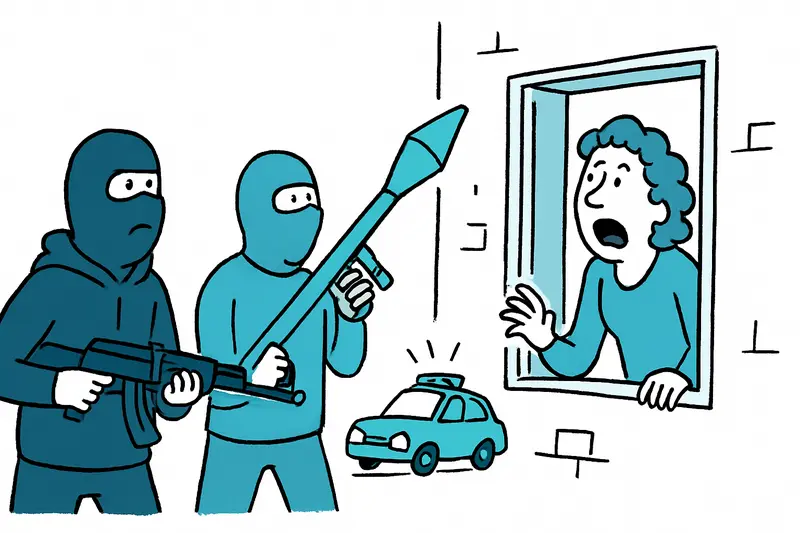
Masked Images, Real Panic: When Social Media Aesthetics Alarm Neighbors
Five German content creators filmed on a recently vacated detention site using deceptively realistic props. The result: ...
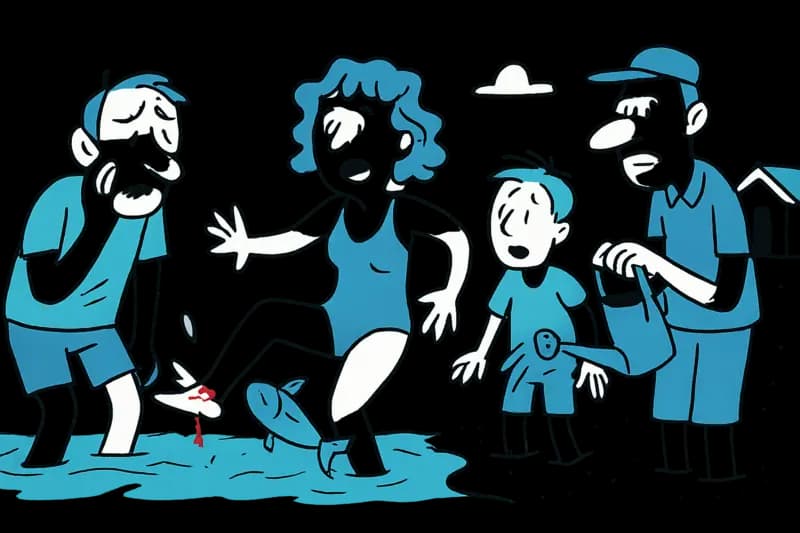
Why the Striped Breams in Cala Pí Should Be a Wake-up Call
Once again bathers in Cala Pí were surrounded while swimming by small, nippy fish — some wounds bled. Time for clear rul...

Daily from New York: How Palma's Air Traffic Is Growing — and What Must Change
United will increase the Newark–Palma service to daily flights in 2027 (Boeing, 231 seats). Strong tourist numbers clash...
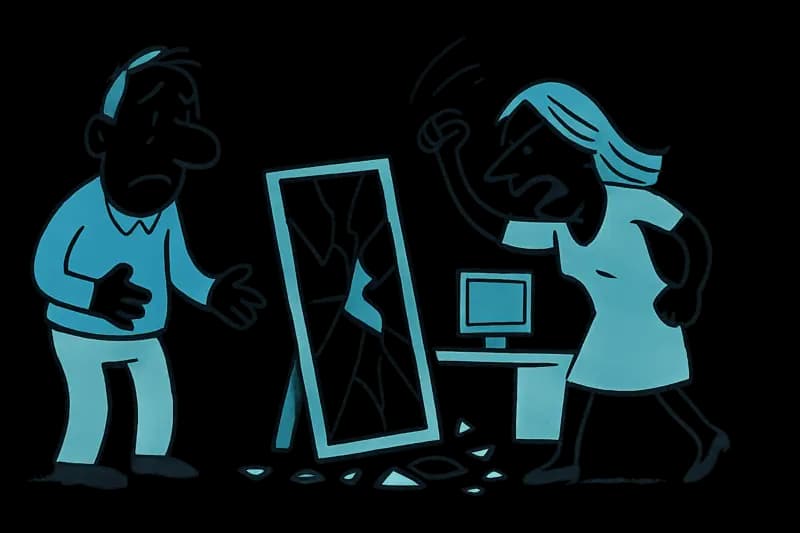
When Love Ends in Shards: Destruction in Son Vida and the Questions That Remain
In Son Vida a relationship dispute escalated: a woman destroyed furniture in a luxury villa, later pressed a panic butto...
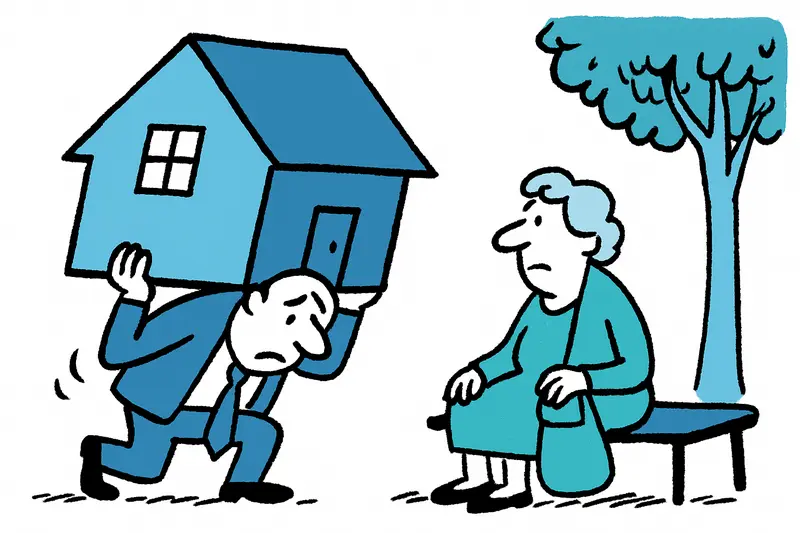
Who Bears the Burden? Mallorca Between Tenant Protection and Landlord Fears
Madrid's new housing decrees strengthen tenant rights — but on Mallorca concern is growing: will the law drive small lan...
More to explore
Discover more interesting content

Can Cap de Bou

Townhouse Lleo 72
