
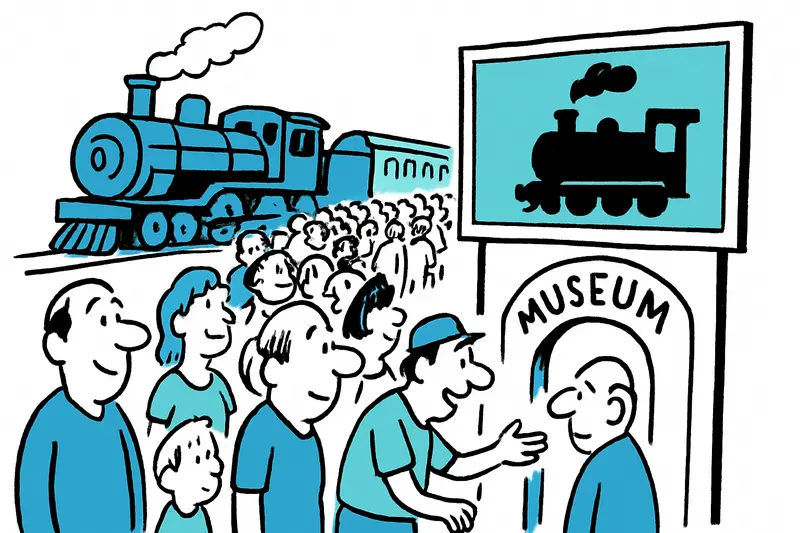
Son Carrió in Steam Locomotive Fever: Between Nostalgia, Espresso and the Question of the Future
The new Museu del Ferrocarril in Son Carrió attracted hundreds in its first week. Between rustling olive trees, espresso and brick arches, opportunities appear — and pressing questions about the project's sustainability.
Son Carrió in Steam Locomotive Fever: A place that smells of whistles and fresh espresso
On the morning of the opening Son Carrió was a bit louder than usual. A fresh Tramuntana blew over the small plaza, olive leaves rustled, and the scent of freshly pulled espresso rose from the kiosk next to the church. The new Son Carrió: New Railway Museum Opens in the Old Depot opened its doors – and the island came: 1,253 bookings in a few days, full lists through Sunday and queues already forming shortly after the first guided tour.
The key question: Can Son Carrió sustain this venue in the long term?
This is the central question standing between the brick arches and the displayed tickets. At first glance many things fit: EU regional funding programs of around €3.7 million, a clear cap at 350 visitors per day and a concept that combines historic locomotives with projections, holograms and sensory effects. But when the excitement subsides practical and political questions remain: Who pays for the maintenance of large machines? How will operations be made ecologically responsible? And how will the offerings remain affordable for the neighborhood?
More than technology: memory, work and participation
The project is not merely a tourist spectacle. Behind the museum stands an alliance of transport operators, a railway foundation and the municipality of Sant Llorenç – supplemented by a local social organization planning workshops, job projects and accessible formats. Such arrangements are important in small places like Son Carrió: people know each other, and a new cultural center can have lasting economic and social effects. The elderly man with the wool cap who showed me a faded ticket pattern is proof: it's about biographies, not just machines. These local dynamics are explored in More Than Nostalgia? How Son Carrio Gains Lasting Momentum from the Railway Museum.
What often gets left out of the public debate
The staging is impressive, the visitor numbers striking. But three aspects are rarely discussed loudly: first the ongoing costs – steam locomotives need care, skilled staff and safety inspections overseen by the European Federation of Museum & Tourist Railways. Second the ecological balance – historic machines as exhibits are romantic, but can they be operated compatibly with sustainability goals? Third the traffic and parking issues on opening days: Son Carrió is not Palma, infrastructure is limited.
Concrete opportunities and practical solutions
Instead of only marveling one can plan. Suggestions I heard on site with residents and project managers:
1) Sustainable operation: Explore hybrid solutions (electric shunting vehicles for demonstrations, biomass heating for workshops), fixed maintenance intervals and partnerships with technical schools in Mallorca for training skilled workers.
2) Financial diversification: Memberships, season tickets for locals, special formats (corporate events, weddings in a hall) and a small museum shop can provide recurring income. Reserves for costly restorations should also be built up.
3) Social inclusion: Expand the planned job project: volunteer groups, a docent program with retirees and cooperation with schools create local roots.
4) Traffic management: Shuttle buses on opening days, designated parking zones with clear signage and cooperation with regional buses could relieve the village center.
Looking ahead: a model for Mallorca?
The New Railway Museum in Son Carrió: Between the Scent of Steam and Village Identity has what it takes to become a flagship project: culturally valuable, socially considered and attractive to tourists. But success hinges on handling the hard questions. If Son Carrió organizes operating economics cleverly, integrates ecological solutions and actively involves the neighborhood, a result can emerge that is more than another attraction. It could show how culture, memory and the common good work together.
On opening day optimism prevailed. Between espresso, the quiet clatter of old machinery and the distant echo of a locomotive whistle it was clear that this house wants to make an impact. The challenge now is not only to celebrate the first weeks but to set the right course. Son Carrió has a chance – and the island will watch closely whether it becomes a model or just a loud, short spring for nostalgic steam locomotive photos.
Frequently asked questions
What is the best time to visit Son Carrió if you want to avoid crowds?
Is the Son Carrió railway museum suitable for families and children?
What makes the Son Carrió railway museum different from a normal museum visit?
How is Son Carrió trying to keep the new museum sustainable in the long term?
Will the railway museum bring jobs and local benefits to Son Carrió?
What traffic or parking problems should visitors expect in Son Carrió?
Can visitors with reduced mobility use the new museum in Son Carrió?
Why is the Son Carrió railway museum being watched as a possible model for Mallorca?
Similar News

Masked Images, Real Panic: When Social Media Aesthetics Alarm Neighbors
Five German content creators filmed on a recently vacated detention site using deceptively realistic props. The result: ...
Why the Striped Breams in Cala Pí Should Be a Wake-up Call
Once again bathers in Cala Pí were surrounded while swimming by small, nippy fish — some wounds bled. Time for clear rul...

Daily from New York: How Palma's Air Traffic Is Growing — and What Must Change
United will increase the Newark–Palma service to daily flights in 2027 (Boeing, 231 seats). Strong tourist numbers clash...

When Love Ends in Shards: Destruction in Son Vida and the Questions That Remain
In Son Vida a relationship dispute escalated: a woman destroyed furniture in a luxury villa, later pressed a panic butto...
Who Bears the Burden? Mallorca Between Tenant Protection and Landlord Fears
Madrid's new housing decrees strengthen tenant rights — but on Mallorca concern is growing: will the law drive small lan...
More to explore
Discover more interesting content

Can Cap de Bou

Townhouse Lleo 72
