
Stolen and sunk in the sea: Rental car recovered off Son Verí — Who pays the price?
Stolen and sunk in the sea: Rental car recovered off Son Verí — Who pays the price?
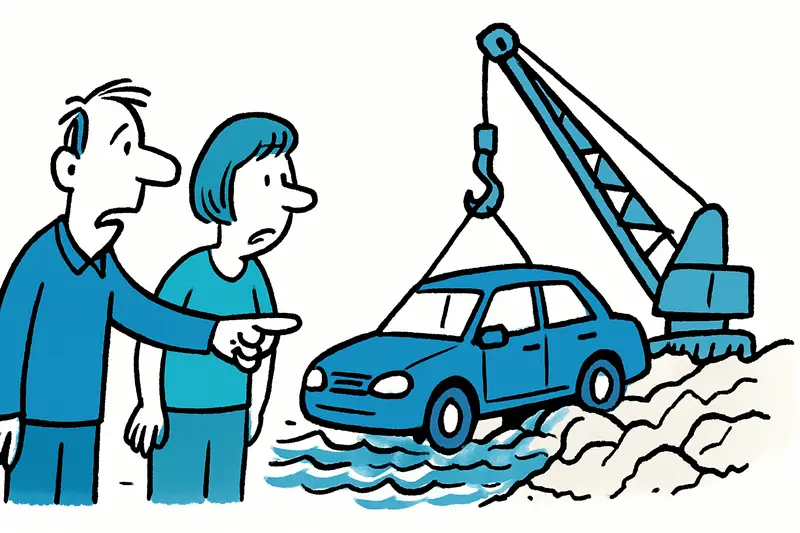
A blue rental car stolen in El Arenal turned up off Son Verí Nou and was only pulled from the water days later with a crane and salvage tug. Beyond the spectacular image, the case raises questions about environmental risks, insurance and prevention.
Stolen and sunk in the sea: Rental car recovered off Son Verí — Who pays the price?
Early in the morning walkers on the rocky coast of Son Verí Nou noticed something unexpected: a car half in the water, half resting against the cliffs. Emergency number 112 was alerted, and shortly after units from the Llucmajor local police, the island fire brigade and the Guardia Civil arrived. No one was in the car — it had been in the Mediterranean for days.
Key question
How did a rental car stolen in El Arenal end up on a rocky shore south of Palma, and who bears the consequences — financially, legally and ecologically?
Summary of what we know
According to investigations, the vehicle was stolen on Tuesday afternoon in El Arenal. In the early hours of the following Wednesday it was discovered as a sunken vehicle near Calle Murta. Rescuers found that no one was injured or inside the car. The vehicle remained in the water for several days; it was not lifted out of the sea until Monday morning with a crane and a salvage tug. The lifting operation was difficult: the car repeatedly struck the rocks, which slowed the recovery and caused additional damage.
Critical analysis
At first glance the case seems like a spectacular isolated incident — but the reality is more complex. Car theft in busy tourist centres like El Arenal is not new; however, the routes stolen vehicles then take are opaque, as seen in the cash robbery and risky escape in Playa de Palma. Two weak points became clear here: first the gap between the theft and quick location of the vehicle, second the delay in recovery, which increases environmental risks and costs.
What is missing in public discourse
Reporting often focuses on the crime itself, less on the consequences: oil and fuel leaking into the sea, potential harm to marine life, responsibility of rental companies and the costs of rescue and salvage. It is also rarely discussed how well rental firms technically secure their fleets — GPS theft protection, alarm chains, or whether funds exist for such follow-up costs, an issue highlighted by the arrest in Capdepera. And: are there standardized emergency procedures so that the fire brigade and salvage companies can react faster before a car lies in the water for days?
Everyday scene from the coast
Anyone walking the road above the cliffs in the afternoon hears the distant roar of the waves and the cries of seagulls. Snorkellers who like to enter the water here because of the schools of fish stop and point: "There was the car." Residents quietly say such scenes disturb the peace — not only visually, but because no one knows which pollutants are being carried by the water.
Concrete solutions
- Better technical security by rental companies: mandatory GPS trackers and faster blocking chains so stolen vehicles can be located more easily. - Standardised alarm protocol: a coordinated chain between renter, police, harbour authority and salvage services that activates immediately and enables a swift recovery. - Environmental precautions: use of absorbents and oil booms for sunken vehicles to reduce leakage of pollutants. - Local prevention: clearer warning signs at dangerous coastal sections and increased surveillance in known hotspots for nighttime activity. - Transparency and cost allocation: rules on who pays recovery costs — insurers, rental companies or the public sector — should be better defined.
Conclusion
The image of a blue rental car on the cliffs of Son Verí Nou is a symbol of several problems concentrated in one place: organised thefts in tourist centres, gaps in quick location and recovery, and underestimated environmental risks. The spectacular crane-and-tug salvage answers what happened, but not how such cases can be prevented in the future or how their effects can be limited more quickly. As long as responsibility is passed between renters, authorities and insurers, the bill remains open — for nature, for residents and for the communities along Mallorca's coasts.
Frequently asked questions
What is the best time to visit Mallorca for sun, sea, and hiking?
Are there family-friendly beaches in Mallorca?
How can I get around Mallorca without renting a car?
What should I pack for a Mallorca trip?
Do people in Mallorca speak English, and should I learn Catalan or Spanish basics?
What are must-try Mallorcan foods and where can I taste them?
Is Mallorca safe to visit and what precautions should I take?
What are the best scenic day trips or viewpoints on Mallorca?
Similar News

Towel on It, Chair Gone? How Hotels Can Regulate Reservations of Sun Loungers
After a deadly dispute in Greece, the question has resurfaced in Mallorca: Are hotels allowed to ban or sanction the pra...
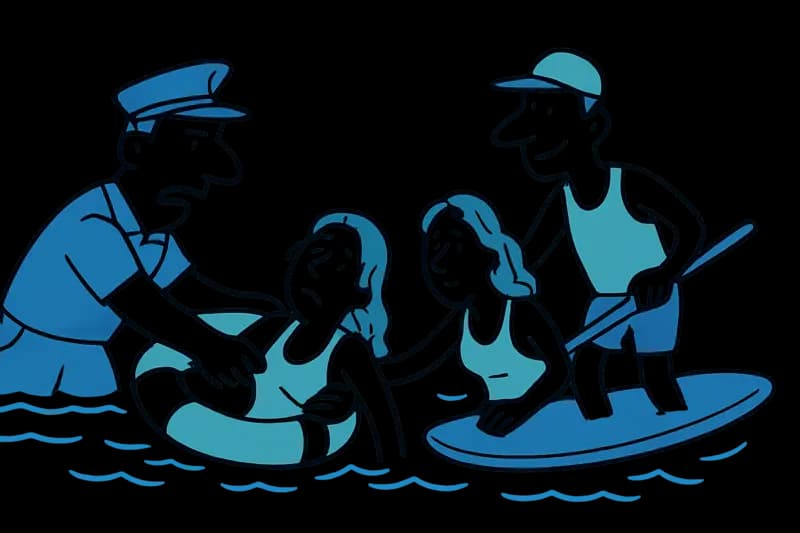
Illetas: Police Officer and Two Lifeguards Rescue Two Female Tourists from the Sea
Late on Friday afternoon emergency responders entered the water off the coast of Illetas: a local police officer and two...
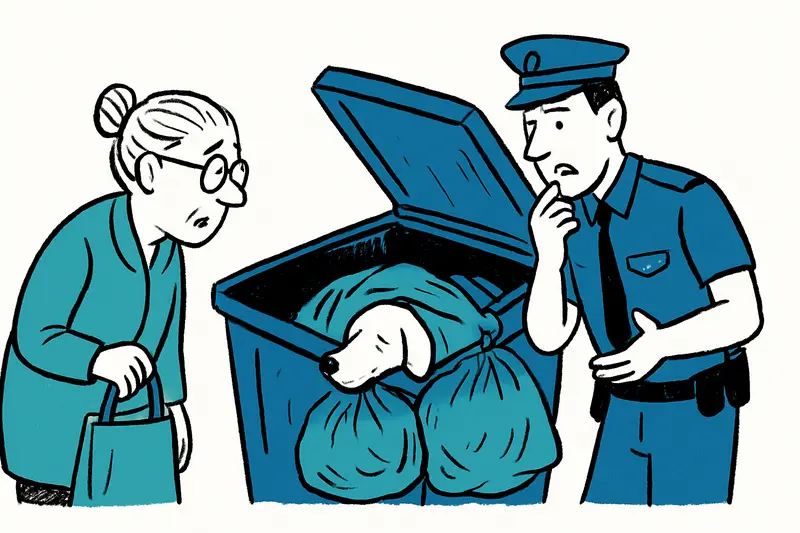
Inca: Severely injured female dog found in garbage bags in a container – who has seen anything?
In Inca, a severely injured female dog was discovered wrapped in two garbage bags inside a container on Avenida Rei Jaum...

Pre-Nit de l’Art in Palma: Champagne, Spray Can and Studio Flash in the Old Town
Red carpets, a photographers' stand and live performance: the Pre‑Nit de l’Art filled Galerie Mensing with around 400 gu...
Failed before the first flight: How Fischer Air's plans for Palma were ground down
Announced routes, repeated postponements and now apparent insolvency: Why the Fischer Air project for Mallorca is not me...
More to explore
Discover more interesting content

Can Cap de Bou

Townhouse Lleo 72
